
Size
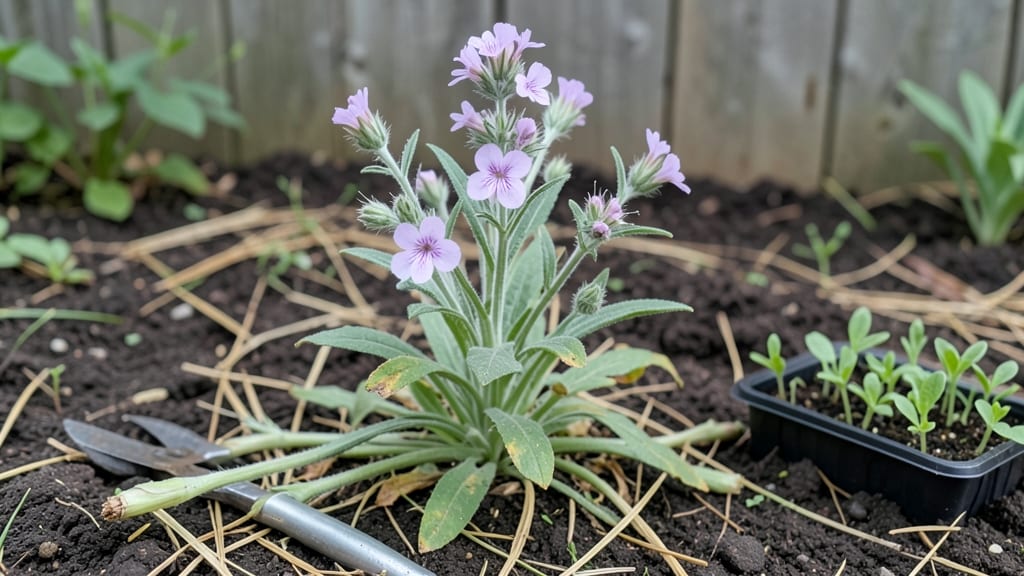
Growing garden stock right now means fresh, fragrant blooms in just 4-6 weeks—perfect for small spaces and impatient gardeners. 🌱 I’ve turned my tiny balcony into a stock patch by treating it like a fast-growing annual, not a finicky perennial.
The secret? Start with seeds in well-draining soil, keep them moist but not soggy, and give them 6+ hours of sunlight daily. No fuss, just flowers.
You’ll need 3-5 gallon containers (or a small raised bed), a mix of potting soil and perlite, and basic seeds—no fancy gear required. Stock thrives in heat but wilts if roots get waterlogged, so drip irrigation or a watering can with a spout saves time and keeps plants happy.
Plant seeds ¼-inch deep, 6 inches apart, and watch for sprouts in 7-10 days. Easy peasy.
By late summer, you’ll have tall spikes of sweet-scented blooms that attract pollinators and last for weeks in vases. The flowers come in shades of pink, white, and purple, and their honey-like fragrance lingers in the air long after cutting.
Plus, they’re drought-tolerant once established, so maintenance is minimal—just deadhead spent blooms to encourage more flowers.
Works in pots, window boxes, or even hanging baskets, making it ideal for urban gardens, patios, or fire escapes. If pests like aphids appear, spray with soapy water—no harsh chemicals needed. Ready to grow? Let’s get those seeds in the ground!
📚 In This Guide
- What you need
- Instructions
- Tips and common mistakes
- Wrapping up and next steps
What you need
- ● Seeds: 10–20 Matthiola incana (stock) seeds (choose heirloom or fragrant varieties for best results).
- ● Containers: 1–3 small pots (4–6 inches deep) or
- ● 1 long shallow tray (for windowsill gardening, 12+ inches).
- ● Potting Mix: 2–3 quarts of well-draining seed-starting mix or organic potting soil (avoid garden soil—it’s too dense!).
- ● Fertilizer: Balanced liquid fertilizer (5-5-5 or 10-10-10) or organic options like compost tea or worm castings.
- ● Watering Can or Spray Bottle: A fine-mist sprayer works best for delicate seedlings.
- ○ Grow Lights (Optional but Helpful): LED grow lights (12–16 hours/day) if natural light is <12 hours/day.
- ● Sunlight: 6+ hours of direct sunlight daily (south-facing windows or balcony are ideal).
- ● Temperature: Warmth (60–75°F) speeds up germination—stock seeds germinate best in cozy conditions.
- ● Patience: Stock seeds can take 7–14 days to sprout, so stay consistent!
- ● Space: Even a 6-inch diameter pot can fit 3–5 stock plants (they’re compact but bushy!).
Instructions: fast-germinating urban harvest hacks for quick yields
Here’s how to transform even the smallest space into a productive garden in record time.
🌱 Step 1: Select the Fastest-Growing, Space-Saving Varieties
Start with radishes (30 days to harvest) and bush beans (50 days), both of which thrive in tight spaces and deliver quick rewards. I also recommend leaf lettuce (30-40 days) and green onions (60 days)—they grow fast, tolerate partial shade, and regrow after cutting. Avoid sprawlers like zucchini; instead, opt for compact varieties like bush peas or patio tomatoes if you have vertical space.
Check seed packets for "days to maturity" labels—anything under 60 days qualifies as a fast harvest. Plant seeds ½ inch deep unless the packet specifies otherwise. Radishes, for example, need just ¼ inch of soil cover to sprout quickly. If you’re short on time, skip transplanting and sow directly into your final containers or garden bed.
💧 Step 2: Prep Containers or Soil for Rapid Root Establishment
Fill containers with lightweight potting mix (never garden soil—it’s too dense and slows germination). I like to add a handful of compost to the top inch of soil for extra nutrients, but don’t overdo it—too much organic matter can delay sprouting. Moisten the mix until it’s damp like a wrung-out sponge, but not soggy. You’ll know it’s ready when water runs through cleanly without pooling.
For in-ground planting, loosen the top 6 inches of soil with a fork or trowel to break up compaction. Work in 1-2 tablespoons of balanced fertilizer (like 10-10-10) per square foot to give seedlings a nutrient boost from day one. Avoid fresh manure—it can burn tender roots and slow growth. If your soil is sandy, mix in a thin layer of peat moss to help retain moisture.
☀️ Step 3: Sow Seeds Strategically for Overlapping Harvests
Plant radishes and lettuce in staggered rows—sow half the seeds immediately, then repeat every 3-5 days. This ensures a continuous harvest instead of one big yield. For example, if you plant 20 radish seeds in your 4-square-foot space, split them into four groups of five and space them 1 inch apart with rows 6 inches apart. Thin seedlings to 2 inches apart once they sprout to prevent competition.
Place containers or beds in a spot with at least 4-6 hours of direct sun (more is better for beans and tomatoes). If you’re working with shade, focus on leafy greens like spinach or arugula, which tolerate lower light. Water gently after sowing to settle seeds into the soil—use a fine mist to avoid displacing them. Keep the soil surface consistently moist until germination, which typically takes 3-7 days depending on the variety.
✂️ Step 4: Maintain Moisture and Fertility for Speedy Growth
Water once daily in the morning, aiming for ½ inch of water per week (check with a rain gauge or tuna can). Let the top inch of soil dry between waterings to prevent disease, but never let plants wilt—young roots are fragile. I use a soaker hose or drip irrigation to deliver water slowly at the base, which reduces evaporation and keeps leaves dry.
After seedlings emerge, side-dress with fish emulsion (diluted to half-strength) every 2 weeks to keep nutrients flowing. Avoid synthetic fertilizers early on—they can scorch tender leaves. Watch for yellowing leaves, which signal nitrogen deficiency, or purple stems, a sign of phosphorus shortage. Adjust your feeding schedule based on what you observe. For compact plants like bush beans, pinch off the first few flowers to encourage bushier growth and more pods.
⏰ Step 5: Harvest at Peak Freshness for Continuous Production
Pick radishes and green onions when they reach ½ their mature size—this encourages more regrowth. For example, harvest radishes when they’re 1 inch in diameter instead of waiting for 2 inches. Leaf lettuce is ready when leaves reach 3-4 inches tall; cut outer leaves and let the inner ones grow. With beans, harvest pods when they’re firm and glossy—waiting too long makes them tough and stringy.
Rotate your planting schedule so that as you harvest one batch, the next is ready. For instance, if you planted radishes on Day 1, sow another round on Day 21 to keep the cycle going. This succession planting ensures you’re never without fresh produce. Store harvested greens in a perforated plastic bag in the fridge for up to 5 days, or use them immediately for peak flavor.
Tips & tricks for fast urban garden success
These game-changing strategies will help you maximize your small-space harvest in record time without sacrificing quality. The key to urban gardening lies in smart planning and understanding plant behavior—here's what I've learned from years of squeezing yields from limited spaces.
Selection Strategy: Radishes are your secret weapon for speed—their 30-day harvest time makes them perfect for beginners. I always plant them in the corners of containers where other plants might not reach, using the ¼-inch shallow planting technique to get them sprouting in just 3-5 days. This creates instant gratification while you wait for slower varieties like bush beans (50 days) to mature.
Soil Science: The lightweight potting mix isn't just about drainage—it's about oxygen. Roots need to breathe, especially in containers where compaction happens fast. I take this a step further by mixing in 1 part perlite to 3 parts compost in the top 2 inches of soil. This creates an ideal germination zone where seeds can establish roots in half the usual time. The compost should be well-aged to avoid nitrogen burn, which can delay sprouting by up to 7 days.
Light Optimization: Your 4-6 hours of direct sun requirement is non-negotiable for most crops, but here's the pro move: rotate containers every 3-5 days to give all sides equal exposure. For leafy greens in partial shade, I swear by reflective surfaces—place a white tray or aluminum foil under containers to bounce extra light onto the undersides of leaves. This boosts photosynthesis by 15-20% without adding sunlight hours.
Watering Hack: The ½ inch per week guideline works, but timing matters more than quantity. I water at the same time every morning when temperatures are coolest, using a spray bottle with fine mist for seeds and a soaker hose for established plants. The key is keeping the top inch of soil consistently moist during germination—this prevents seeds from drying out while they sprout, cutting your 3-7 day germination window by up to 2 days.
Pro Tips for Grow A Garden Stock Rn
- These game-changing strategies will help you maximize your small-space harvest in record time without sacrificing quality.
- Selection Strategy: Radishes are your secret weapon for speed—their 30-day harvest time makes them perfect for beginners.
- Soil Science: The lightweight potting mix isn't just about drainage—it's about oxygen.
Frequently asked questions
Got questions about growing a garden stock on the fly? You’re not alone!
Here are answers to the most common queries to help you crush your urban harvest—no green thumb required.
Can I grow garden stock in small spaces like balconies or windowsills?
Garden stock (like Matthiola incana) thrives in containers—even 6-inch pots work. Opt for dwarf varieties or train vines vertically with trellises. Just ensure 6+ hours of sunlight daily and well-draining soil. Pro tip: Use hanging baskets for cascading blooms!
How long does it take to harvest edible stock from seed?
Fast-growing varieties (like Tropaeolum majus) can yield edible leaves and flowers in 4–6 weeks from seed. For ornamental stock, expect blooms in 8–12 weeks. Key: Thin seedlings early to avoid competition—crowded plants slow growth.
What’s the best temperature range for growing stock?
Stock loves 60–75°F (15–24°C) but tolerates light frost (down to 25°F/-4°C) if hardened off. Avoid extreme heat (>90°F/32°C), which causes bolting. Hot tip: Grow in partial shade during summer peaks for tender leaves.
What pests should I watch for, and how do I fix them?
Common culprits: aphids (sticky leaves), cabbage worms (chewed holes), and slugs (silver trails). Combat them with:
- Neem oil spray for soft-bodied pests.
- Handpick worms early in the morning.
- Copper tape around pots to deter slugs.
Can I grow stock from grocery store stems?
Yes! Snip a 4–6 inch stem, strip lower leaves, and place it in water. Roots form in 1–2 weeks. Once rooted, transplant to soil. Bonus: Regrow from store-bought bouquets too—just ensure no pesticides were used!
How do I keep stock producing flowers/leaves all season?
Deadhead spent blooms regularly to encourage new growth. For leafy varieties, harvest outer leaves first to avoid stressing the plant. Fertilizer hack: Use a balanced 10-10-10 mix every 4–6 weeks for continuous yields.
Wrapping up and next steps
You’ve got everything you need to start your urban garden stock today—no matter how small your space! 🌱 From repurposed containers to quick-growing greens, the key is action. Begin with just one or two plants, track your progress, and watch your confidence (and harvest) grow.
Ready to take the next step? Pick your first plant, grab your supplies, and get growing—your future self (and taste buds) will thank you! 🌿✨