Vegetables
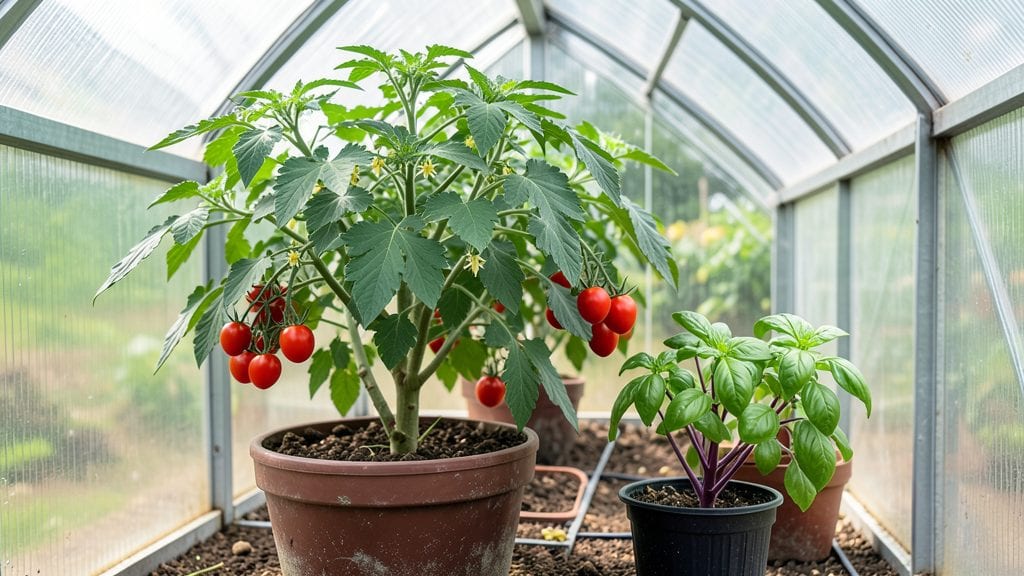
Greenhouse gardening vegetables lets you harvest fresh tomatoes, peppers, and greens year-round without draining your soil. 🌱 I remember the first time I walked into my greenhouse in February and saw cherry tomatoes ripening on the vine—it felt like magic, but it’s really just smart control of light, warmth, and air.
The key isn’t fancy equipment—it’s matching your greenhouse to what plants actually need. You’ll need a sturdy structure, shade cloth for summer, and a simple ventilation system to keep humidity in check.
Most beginners overlook airflow, which leads to moldy leaves and stunted growth, but once you dial it in, the results speak for themselves.
By summer’s end, you’ll be pulling in heavy yields of crisp lettuce, sweet cucumbers, and juicy heirloom tomatoes—all while your outdoor beds rest. The soil stays rich because you’re not growing the same crops back-to-back, and you avoid pests that thrive in open gardens.
It’s the closest thing to a vegetable factory that won’t break the bank.
Works for small urban greenhouses or sprawling rural setups—just adjust spacing and varieties. Let’s get those seeds started under glass!
📚 In This Guide
- What you need
- Instructions
- Tips and common mistakes
- Wrapping up and next steps
What you need
- ● Greenhouse Structure: A polycarbonate or glass greenhouse (4’x6’ to 8’x10’ recommended for beginners)
- ● Ventilation: 1-2 roof vents + 1-2 side vents (for airflow)
- ● Shade cloth (30-50%) (to protect plants in hot months)
- ● Growing Medium (Soil Alternatives): Coconut coir or peat moss (2-3 cubic feet per plant)
- ● Perlite or vermiculite (1 part per 3 parts growing medium for aeration)
- ● Worm castings or compost (1-2 cups per plant for nutrients)
- ● Containers & Supports: 5-10 gallon fabric pots or grow bags (1 per plant)
- ● Trellises or cages (for vining plants like tomatoes or cucumbers)
- ● Drip irrigation system (with emitters for even watering)
- ○ Lighting (Optional but Helpful): LED grow lights (full-spectrum) (12-16 hours/day in low-light months)
- ● Location: South-facing spot with 6+ hours of sunlight (or supplemental lighting)
- ● Water Source: Hose with spray nozzle or rainwater collection system
- ● pH Test Kit (to monitor soil/growing medium, ideal range: 6.0-7.0)
- ● Fertilizer: Balanced liquid fertilizer (10-10-10) or organic options like fish emulsion
- ● Thermometer/Hygrometer (to track temperature/humidity, ideal: 60-80°F)
Step-by-step guide to greenhouse vegetable gardening
Transform your greenhouse into a thriving year-round vegetable powerhouse with these proven techniques.
🪴 Step 1: Set Up Your Greenhouse Foundation
Start by positioning your greenhouse in a location with maximum sunlight exposure—at least 6 hours of direct light daily. South-facing works best in the Northern Hemisphere. I always level the ground first to prevent water pooling, which can drown roots and invite pests. Place a 4-inch layer of landscape fabric over the base to suppress weeds and retain moisture.
Next, add a 6-inch layer of coarse gravel on top of the fabric for drainage. This prevents soil from becoming waterlogged during heavy rains or irrigation. If your greenhouse has ventilation, position vents to open automatically when temperatures exceed 85°F—this keeps humidity in check and prevents fungal diseases.
🌱 Step 2: Layer Hydroponic Growing Mediums
For soil-free growing, I use a 12-inch deep combination of expanded clay pebbles and coconut coir. Start with a 4-inch base layer of clay pebbles4-inch layer of moistened coconut coir, which holds nutrients and retains moisture without suffocating roots.
Mix in a slow-release fertilizer pellet (like osmocote) into the coir layer—this feeds plants steadily for 3-4 months. Avoid over-moistening the coir; it should feel like a damp sponge, not a dripping sponge. This balance is key to preventing root suffocation while keeping nutrients accessible.
☀️ Step 3: Plant and Manage Light Exposure
Choose fast-growing vegetables like lettuce, spinach, or cherry tomatoes for your first planting. Place seedlings 6-8 inches apart in the coir layer, ensuring roots spread naturally without crowding. If your greenhouse lacks natural light in winter, supplement with LED grow lights positioned 12-18 inches above plants for 14 hours daily.
Rotate plants quarter-turn weekly to ensure even light exposure—you’ll notice stems leaning toward the light if they’re not getting balanced growth. Monitor leaf color: deep green means optimal light; pale yellow indicates too much shade, while crispy edges signal too much direct sun.
💧 Step 4: Maintain Water and Nutrient Balance
Use a drip irrigation system to deliver water directly to the coir layer, keeping it consistently moist but never soggy. Check moisture by squeezing a handful of coir—it should feel damp but not dripping. I water twice daily in summer (morning and late afternoon) and reduce to once daily in cooler months.
Every 4-6 weeks, flush the system with plain water to prevent salt buildup from fertilizers. Add a liquid nutrient solution (like fish emulsion) every 2 weeks to replenish minerals. Over-fertilizing leads to leaf burn, so always dilute to half-strength unless the plant shows deficiency signs like yellowing between veins.
✂️ Step 5: Prune and Harvest for Continuous Growth
Prune leggy stems and yellowing leaves immediately to redirect energy to fruit production. For tomatoes, pinch off suckers (the small shoots in the leaf axils) to focus growth on the main stem. Harvest vegetables when they’re firm and vibrant—like picking lettuce when leaves are 3-4 inches tall or tomatoes when they’re fully colored but slightly firm.
After harvesting, replace depleted plants with new seedlings to maintain continuous production. I rotate crops seasonally: leafy greens in winter, tomatoes and peppers in summer, and root vegetables like radishes in spring and fall. This keeps the greenhouse productive year-round without soil exhaustion.
Tips & tricks for perfect greenhouse vegetable growth
Here's what I've learned after years of greenhouse gardening—these tricks make all the difference between struggling plants and a thriving vegetable garden.
Location and Lighting: That 6 hours of direct light daily is non-negotiable for most vegetables. If your greenhouse gets less than that, supplement with LED grow lights positioned 12-18 inches above plants for 14 hours daily—this mimics summer sunlight and prevents leggy growth. I've found south-facing works best in the Northern Hemisphere, but even west-facing can work if you extend light hours with grow lights.
Ventilation Strategy: The 85°F threshold for automatic vent opening is perfect for preventing fungal diseases like powdery mildew. If you don't have automatic vents, monitor temperatures closely—open vents manually when it hits 85°F and keep them open until evening. I also recommend installing a small exhaust fan to improve air circulation, which reduces humidity and prevents mold.
Layering the Growing Medium: The 12-inch deep combination of clay pebbles and coconut coir is genius because it mimics natural soil layers. Start with the 4-inch base of clay pebbles—this prevents root rot by keeping roots aerated. When adding the 4-inch layer of moistened coconut coir, mix in your slow-release fertilizer pellets evenly throughout. Pro tip: Use a shovel to create small pockets in the coir layer when planting—this helps roots establish faster.
Watering Wisdom: The twice-daily summer watering schedule (morning and late afternoon) prevents stress during peak heat. I've learned the hard way that soggy coir leads to root rot, so always check moisture by squeezing a handful—it should feel like a damp sponge, not dripping. For the 4-6 week flush, I use a weak vinegar solution (1 tablespoon per gallon) to dissolve mineral buildup without harming plants.
Pro Tips for Greenhouse Gardening Vegetables
- Here's what I've learned after years of greenhouse gardening—these tricks make all the difference between struggling plants and a thriving vegetable garden.
- Location and Lighting: That 6 hours of direct light daily is non-negotiable for most vegetables.
- Ventilation Strategy: The 85°F threshold for automatic vent opening is perfect for preventing fungal diseases like powdery mildew.
Frequently asked questions
Got questions about growing vegetables in a greenhouse? You’re not alone—here are some of the most common concerns and quick answers to get you started!
What’s the best time of year to start greenhouse vegetable gardening?
You can start anytime! Unlike outdoor gardens, greenhouses let you grow year-round. For fastest results, begin in early spring (March–April) to take advantage of natural light, but winter starts (November–December) work too with supplemental grow lights. Pro tip: Leafy greens like lettuce and spinach grow well in cooler months, while tomatoes and peppers thrive in warmer conditions.
How often should I water greenhouse vegetables?
Greenhouses trap humidity, so overwatering is a common mistake. Check soil moisture daily—stick your finger 1–2 inches deep. Most veggies need water every 2–3 days in summer, but reduce to every 5–7 days in winter. Use drip irrigation or self-watering systems to avoid soggy roots. Watch for condensation—if leaves stay damp, improve airflow with a small fan.
What pests are most common in greenhouse vegetable gardens?
Greenhouses can attract pests like aphids, spider mites, and whiteflies due to controlled environments. Prevent issues with neem oil or insecticidal soap, and introduce beneficial insects (like ladybugs) for natural control. Ventilate daily to reduce humidity, which pests love. Cucumber beetles? Row covers are your best friend!
How do I control temperature in a greenhouse for vegetables?
Ideal temps vary by plant, but most veggies prefer 65–75°F (18–24°C) during the day and 55–60°F (13–15°C) at night. Use shade cloth in summer to block excess heat and row covers or thermal blankets in winter. A thermometer/hygrometer helps monitor conditions. Ventilation is key—open vents or use fans to circulate air.
Can I grow all vegetables in a greenhouse, or are some better suited?
Most vegetables thrive in greenhouses, but root crops (carrots, potatoes) may need deeper soil or containers. Best performers: Lettuce, spinach, tomatoes, peppers, cucumbers, and herbs. Avoid large vining plants (like pumpkins) unless your greenhouse is spacious. Experiment! Start with easy crops like basil or cherry tomatoes to build confidence.
Wrapping up and next steps
Greenhouse gardening unlocks the magic of growing fresh, thriving vegetables year-round—without the stress of soil depletion or seasonal limits! 🌱 By leveraging controlled environments, smart materials, and a few key strategies, you’ve learned how to cultivate a sustainable, high-yield harvest that’s both rewarding and eco-friendly.
Whether you’re a beginner or a seasoned gardener, the tools and tips shared here make it easier than ever to turn your greenhouse into a vibrant, productive space.
Ready to dive in? Start small—pick one or two easy vegetables (like leafy greens or tomatoes) to test your setup, and let your confidence (and harvest!) grow from there. Soon, you’ll be enjoying homegrown goodness while giving Mother Nature a little extra love. Happy gardening! 🌿