Advice
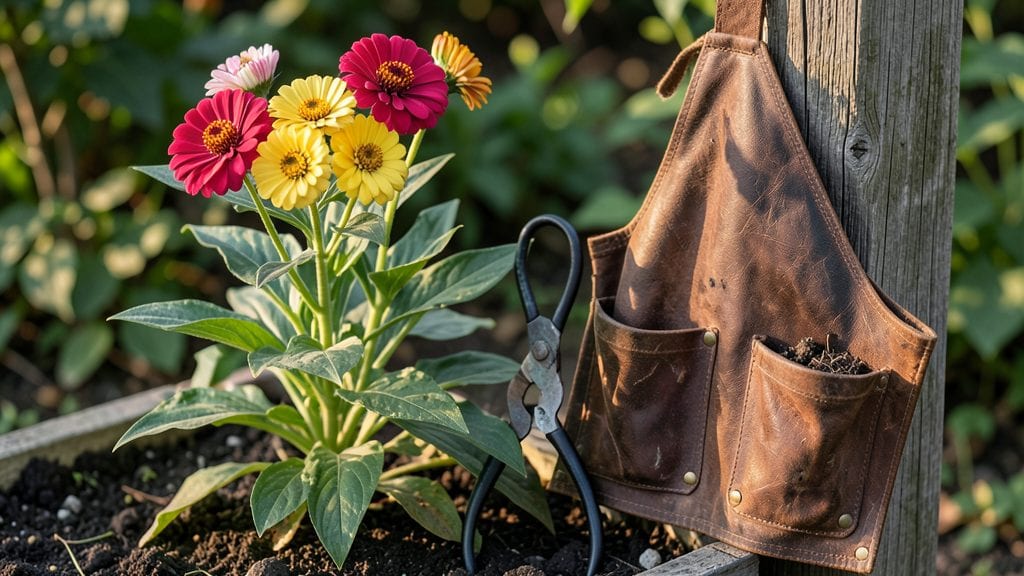
Grandpa's gardening tips still grow the biggest tomatoes in the neighborhood, and they don’t require fancy tools or degrees—just elbow grease and a little patience. I remember sitting on his porch at dusk, listening to him say, "Soil’s the real secret.
Feed the dirt, not the plants," while he tossed in handfuls of compost like he was sprinkling salt on popcorn. His method worked so well that even my black thumb couldn’t kill his heirloom beans.
He swore by three simple rules: plant when the soil’s warm enough to stick your wrist in for five seconds without wincing, water at the roots—not the leaves—so bugs stay away, and never pull weeds by the roots. "You’ll just be yanking up their babies," he’d say with a wink.
His garden thrived because he treated every plant like family, giving them space to stretch out and grow strong. The best part? His tricks work for tomatoes, peppers, flowers—even herbs—no matter where you live.
📚 In This Guide
- What you need
- Instructions
- Tips and common mistakes
- Wrapping up and next steps
What you need
- ● Gardening Gloves: 1 pair (leather or breathable fabric to protect hands from thorns and dirt).
- ● Hand Trowel: 1 (6-8" stainless steel, for planting and transplanting).
- ● Pruners: 1 pair (bypass pruners for clean cuts on stems and branches).
- ● Garden Fork: 1 (heavy-duty, 18-24" for turning soil and breaking up clods).
- ● Watering Can or Hose: 1 (with a adjustable nozzle for precision).
- ● Rake: 1 (bow rake for leveling soil and clearing debris).
- ● Garden Kneeler/Pad: 1 (to save your knees—trust us!).
- ● Seedlings or Seeds: Choose based on your climate and space (e.g., tomato seeds, lettuce starts, or marigolds for pest control).
- ● Compost: 1-2 bags (homemade or store-bought, for enriching soil).
- ● Mulch: Straw or wood chips (2-3 inches thick to retain moisture and suppress weeds).
- ● Wheelbarrow: For hauling soil, compost, or harvested veggies.
- ● Soil pH Tester: To check if your soil needs amendments (like lime or sulfur).
- ● Organic Fertilizer: Granular or liquid (like fish emulsion or bone meal).
- ● Row Cover or Shade Cloth: For protecting plants from pests or harsh sun.
- ● Trellis or Stakes: For climbing plants like beans, cucumbers, or tomatoes.
- ● Notebook & Pen: To track planting dates, watering schedules, and growth progress.
Instructions: Grandpa's timeless gardening techniques
These are the same tricks I learned from my grandfather—simple, effective, and guaranteed to improve your garden.
Test Your Soil Before Planting
Grandpa always said, "You can't grow what you don't know." Grab a small trowel and dig a hole about 6 inches deep. Examine the soil—if it's hard or clumps tightly, it needs organic matter. Press a handful between your fingers: if it crumbles easily, it's ready. If it sticks together like clay, mix in 2-3 inches of compost or aged manure before planting.
You can also do a simple pH test with vinegar and baking soda. Pour a little vinegar on a sample—if it fizzes, your soil is alkaline. Sprinkle baking soda on another sample; if it fizzes, your soil is acidic. Most vegetables prefer a neutral pH around 6.5-7.0. Adjust with lime for acidity or sulfur for alkalinity if needed.
Plant at the Right Time and Depth
Grandpa marked his calendar for the last frost date in spring and counted backward. For cool-season crops like lettuce and peas, plant 4-6 weeks before the last frost. For warm-season crops like tomatoes and peppers, wait until 2 weeks after the last frost. He always said, "A little patience beats a lot of regret."
When planting seeds, follow the packet instructions, but Grandpa had a trick for depth: "Plant seeds twice as deep as they are wide." For example, if a seed is ¼ inch wide, plant it ½ inch deep. Press the soil gently around the seed to ensure good contact. For transplants, dig a hole just as deep as the root ball and firm the soil around it to eliminate air pockets.
Water Deeply and Consistently
Grandpa never watered lightly—he always said, "Give your plants a good drink, not a sip." Water deeply once a week (more in extreme heat) to encourage deep root growth. Use a trowel or your finger to check moisture: if the soil feels dry 2 inches down, it's time to water again. Water in the morning so plants have all day to dry off, reducing the risk of disease.
He also used a simple trick to save water: place a 1-inch layer of mulch around plants (but not touching the stems). This keeps moisture in the soil and blocks weeds. For vegetables, use straw or grass clippings. For flowers, shredded leaves or wood chips work well. Mulch also keeps soil temperatures steady, which Grandpa said was "like giving your plants a cozy blanket."
Fertilize Naturally and Sparingly
Grandpa hated chemical fertilizers—he believed in feeding the soil, not just the plants. Every spring, he spread 2-3 inches of compost over the garden beds and worked it into the top 6 inches of soil. For a quick boost, he used fish emulsion or seaweed extract, following the package instructions for dilution. He always said, "A little goes a long way—too much burns the roots."
For flowering plants, he switched to a low-nitrogen fertilizer (like 5-10-10) to encourage blooms. He also saved coffee grounds for acid-loving plants like blueberries and azaleas, mixing them into the soil. Never use fresh manure—Grandpa insisted on aged compost to avoid burning plants.
Prune and Harvest Regularly
Grandpa pruned like a pro: he always cut just above a leaf node (the bump where leaves grow) at a 45-degree angle. This encourages new growth and keeps plants bushy. For tomatoes, he pinched off suckers (the small shoots between the main stem and branches) to focus energy on fruit production. He also deadheaded spent flowers to keep plants producing longer.
Harvesting was his favorite part. He said, "The more you pick, the more you get." For vegetables like beans and peas, pick regularly to encourage more production. For herbs, snip leaves just above a set of leaves to promote bushiness. For fruits, harvest when they're fully colored and slightly soft to the touch. Grandpa always said, "A ripe tomato picked at the right time tastes like sunshine."
Tips & tricks for perfect gardening like your Grandpa
These simple tricks from my grandfather will help you grow a garden that rivals the pros—without the guesswork.
Soil Test Secrets: When testing your soil in Step 1, don't just rely on the vinegar and baking soda test for pH. Bring a sample to your local extension office for a professional analysis. They can tell you exactly what nutrients your soil is missing, which saves you from guessing with amendments. Grandpa would always say, "Knowledge is the best fertilizer of all." For a quick fix, work in 2-3 inches of compost as instructed, but also mix in a handful of bone meal for phosphorus if you're planting heavy feeders like tomatoes.
Planting Precision: In Step 2, when planting seeds twice as deep as they are wide, make sure the soil around them is firm but not packed down like concrete. Gently press with your fingers to ensure good seed-to-soil contact, which helps prevent rot. For transplants, water them thoroughly before planting to reduce transplant shock. Grandpa had a trick for marking planting dates—he used colorful toothpicks stuck in a jar by the door, one for each crop, so he never forgot when to plant or harvest.
Watering Wisdom: The once-a-week watering guideline in Step 3 works for most gardens, but adjust based on your climate. In extreme heat, you might need to water every 2-3 days. Always water at the base of plants rather than overhead to prevent fungal diseases. I've found that using a soaker hose saves time and delivers water right where the roots need it most. And remember, morning watering is best—it gives plants all day to dry off before nightfall, which helps prevent mildew.
Fertilizer Finesse: When applying that 2-3 inches of compost in Step 4, don't just spread it on top and call it a day. Work it into the top 6 inches of soil to give roots access to nutrients. For flowering plants, Grandpa would mix in a little epsom salt (magnesium sulfate) every few weeks—it gives them that extra boost for bigger, brighter blooms. And if you're using coffee grounds, mix them into the soil rather than just piling them around plants, as they can make soil too acidic if not properly incorporated.
Pro Tips for Grandpa'S Gardening Tips
- These simple tricks from my grandfather will help you grow a garden that rivals the pros—without the guesswork.
- Soil Test Secrets: When testing your soil in Step 1, don't just rely on the vinegar and baking soda test for pH.
- Planting Precision: In Step 2, when planting seeds twice as deep as they are wide, make sure the soil around them is firm but not packed down like concrete.
Frequently asked questions
Got questions about putting Grandpa’s gardening wisdom to work? You’re not alone! Here are answers to the most common queries—straight from the dirt and into your hands.
What’s the best time to start a garden based on my climate?
Timing depends on your zone! In cooler climates, start seeds indoors 6-8 weeks before the last frost (check your local USDA zone). Warmer areas? Direct-sow after soil reaches 60°F+. Grandpa’s trick: plant peas and spinach early—they tolerate light frosts! Use a soil thermometer to avoid guessing.
How often should I water my plants, and how do I know if they’re thirsty?
Water deeply 1-2 inches per week, but adjust for heat or sandy soil. Wilting leaves or dry soil 1 inch down mean it’s time. Grandpa’s hack: water in the morning to reduce evaporation and fungal risks. Use a rain gauge or tuna can to measure—no eyeballing!
What’s the easiest way to deal with pests without chemicals?
Grandpa swore by prevention: healthy soil = strong plants. Try these tricks:
Containers work great—just ensure they’re at least 12 inches deep for root growth. Top picks for newbies:
Use well-draining potting mix and add a slow-release fertilizer. Grandpa’s pro tip: Rotate containers yearly to prevent soil depletion. Cover tender plants with frost cloth or old blankets (secure with bricks!). For delicate crops, build a mini greenhouse with PVC pipes and plastic sheeting. Grandpa’s standby: row covers lifted during the day for airflow. Avoid plastic directly on leaves—it can cause burns. Smelly compost means it’s too wet or lacks oxygen. Fix it by:
If the stench lingers, start fresh with a new batch—Grandpa called it “compost therapy” (but not the fun kind).
Can I grow a garden in containers, and what are the best plants for beginners?
How do I protect my garden from late-season frost or early freezes?
What should I do with last year’s compost if it smells bad?
Wrapping up and next steps
From Grandpa’s wisdom, you’ve learned that gardening is as much about patience and love as it is about technique. Whether you’re composting kitchen scraps, nurturing seedlings, or protecting your plants from pests, these timeless tricks will help you grow a thriving, bountiful garden—no matter your experience level. 🌱
Now that you’re armed with these proven tips, why not start small? Pick one trick—like companion planting or soil enrichment—and try it in your next planting season.
Every little step brings you closer to that satisfying harvest (and maybe even a few stories to share with your own grandkids someday!). Happy digging! 🌿