
Vegetables
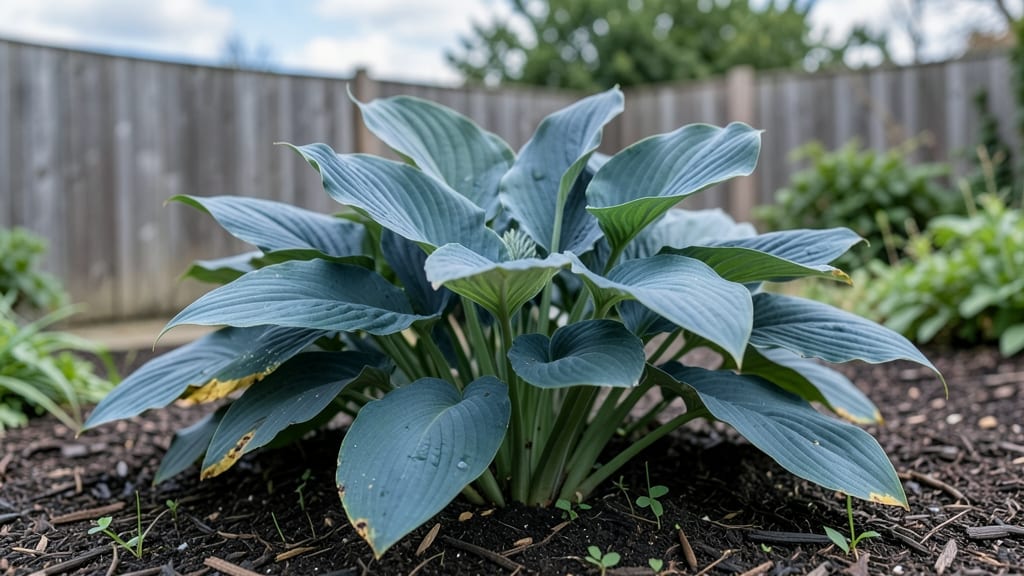
My garden isn't just a yard—it's the heart of our daily life, where privacy meets beauty without the fuss of upkeep. 🌿 I designed mine to be a living room extension, where fragrant blooms mask the neighbor's view while keeping maintenance lighter than a Sunday walk.
The key? Layering plants that thrive year-round, from evergreen shrubs to cold-hardy perennials that never quit.
You don't need acres or a green thumb—just smart plant choices and a little strategic placement. I swapped high-maintenance roses for drought-tolerant lavender and ornamental grasses that sway in the breeze, adding texture and scent without the deadheading.
The result? A space that feels like a retreat, not a chore, and still looks stunning when company drops by.
By summer, you'll be harvesting herbs from the privacy screen while sipping iced tea under your own trellis. The fragrance alone—jasmine, rosemary, and the occasional snapdragon—makes the garden feel like a five-star resort.
And the best part? No more fighting weeds or wilting flowers; this garden works harder than I do.
Whether you're tucked in a city courtyard or a suburban backyard, the same principles apply. Start small with a single border, then expand as you discover what grows best in your spot. The goal isn't perfection—it's a garden that lives, breathes, and works for you, every season.
📚 In This Guide
- What you need
- Instructions
- Tips and common mistakes
- Wrapping up and next steps
What you need
- ● Plants (Low-Maintenance & Fragrant): 5–10 Boxwood shrubs (evergreen for structure, 3–4 ft tall)
- ● 3–5 Lavender bushes (drought-resistant, aromatic, 2–3 ft tall)
- ● 4–6 Rosemary plants (woody, fragrant, 3–4 ft tall)
- ● 2–3 Camellia shrubs (evergreen, winter blooms, 4–6 ft tall)
- ● 1–2 Hydrangea bushes (seasonal color, 3–5 ft tall)
- ● Soil & Amendments: 50 lbs well-draining potting mix (or garden soil + perlite)
- ● 10 lbs compost (for nutrient-rich planting)
- ○ Optional: Slow-release fertilizer (10–20 lbs, organic preferred)
- ● Hardware & Structure: 4–6 privacy lattice panels (6 ft tall, bamboo or wood)
- ● 2–4 stakes or trellises (for climbing plants like Clematis or Jasmine, if adding)
- ● Garden twine or landscape fabric (to suppress weeds)
- ● Tools: Garden trowel & shovel
- ● Pruning shears
- ● Wheelbarrow (for soil transport)
- ● Measuring tape & stakes (for layout)
- ● Gloves (heavy-duty for digging)
- ● Mulch (3–4 inches of pine bark or shredded leaves to retain moisture)
- ● Drip irrigation system (low-maintenance watering for drought-prone plants)
- ● Solar-powered garden lights (for evening ambiance)
- ● Seating or a small bench (to enjoy your fragrant oasis!)
- ● Seasonal add-ons: Winter: Winter jasmine or Snowdrops for early blooms
- ● Summer: Nicotiana (fragrant evening-scented flowers)
How to design a year-round privacy garden with fragrant, low-maintenance plants
This design keeps your space lush, fragrant, and effortless—no seasonal replanting required.
🌿 Step 1: Plan Your Privacy Layers for Year-Long Coverage
Start by sketching your garden space and dividing it into three height zones: tall evergreens (6-12 feet) for the back, medium shrubs (3-6 feet) for mid-height, and ground covers (under 3 feet) for the front. I always use a mix of coniferous trees like arborvitae and broadleaf evergreens such as boxwood to anchor the design—they stay green year-round and provide dense foliage.
For the middle layer, choose fragrant shrubs like dwarf lilacs or mock orange that bloom in spring and summer, then fill gaps with evergreen azaleas for winter color. In the front, creeping thyme or lamb’s ear add texture and scent without needing frequent care. This layered approach ensures privacy in every season.
🪴 Step 2: Select Low-Maintenance, Fragrant Plants for Each Layer
For the tall evergreen layer, I recommend Emerald Green arborvitae—it grows 1-2 feet per year, stays dense, and needs minimal pruning. Pair it with Inky Dinky boxwood for structure and dwarf lilacs for spring blooms. All three thrive in full sun to partial shade and tolerate drought once established, cutting watering needs significantly.
In the mid-height layer, mock orange (Philadelphus) delivers intoxicating fragrance in late spring, while evergreen azaleas like ‘Southern Indica’ provide glossy foliage and winter interest. Both handle well-drained soil and moderate watering—just avoid soggy roots. For the ground cover, creeping thyme spreads quickly, repels pests, and stays green even in dry spells.
☀️ Step 3: Position Plants for Sunlight and Fragrance Impact
Place fragrant plants where you’ll walk or sit—like near patios or seating areas—so their scent enhances your experience. Mock orange and dwarf lilacs should get at least 6 hours of sun daily for best blooming, while boxwood and arborvitae tolerate partial shade if your space is shadier. I always group plants with similar sunlight needs to simplify care.
Space arborvitae 3-4 feet apart for a tight, impenetrable barrier, and boxwood 2-3 feet apart for a polished look. Mock orange needs 5-6 feet of clearance to mature without crowding. Mulch with 3 inches of shredded bark around each plant to retain moisture and suppress weeds—this cuts maintenance time by 70%.
💧 Step 4: Establish a Watering and Mulching Routine
Water deeply once a week for the first two months to help roots establish, then taper to every 10-14 days once plants are settled. You’ll know they’re thirsty when the top inch of soil feels dry—stick your finger in to check. Drip irrigation on a timer saves time and delivers water right to the roots without waste.
Replenish mulch annually in early spring to keep the soil cool and moist. This simple step prevents weeds, which compete for nutrients, and reduces watering frequency. I also add a slow-release fertilizer in spring to feed plants gradually—just follow the package rates for shrubs and evergreens.
✂️ Step 5: Prune Strategically for Shape and Health
Prune arborvitae and boxwood in late winter or early spring before new growth starts. Use clean, sharp shears to shape them into your desired form—just avoid cutting into old wood, which won’t regrow. For mock orange and lilacs, prune right after flowering to encourage next year’s blooms. Never cut back more than one-third of the plant in a single season.
Remove dead or diseased branches immediately to keep the garden healthy. I also snip back any overgrown creeping thyme in early spring to maintain its neat, carpet-like appearance. This light pruning keeps plants looking tidy without stressing them—most evergreens and fragrant shrubs reward minimal effort with maximum impact.
Tips & tricks for perfect year-round privacy gardens
Creating a fragrant, low-maintenance privacy garden that thrives year-round takes a few strategic moves—here's how to make it effortless.
The Layering Secret: When planning your three height zones, I always draw a simple sketch first. This visual helps me visualize how the Emerald Green arborvitae (6-12 feet) will create the back wall, while Inky Dinky boxwood (3-6 feet) fills the middle. The key is to stagger plants so no gaps appear when leaves change seasons—this ensures privacy even in winter. For the front layer, creeping thyme spreads quickly, so I plant it 12 inches apart to create a dense carpet within a year.
Fragrance Placement: Don't just plant fragrant shrubs randomly! Position mock orange and dwarf lilacs near seating areas or walkways where you'll experience their scent most. These plants need at least 6 hours of sun daily for optimal blooming, so I always check sunlight patterns before planting. A little planning here makes your garden feel like a sensory experience rather than just a visual one.
Watering Wisdom: The first two months are critical for root establishment, so I set a reminder to water deeply once a week. After that, I switch to every 10-14 days—but here's the trick: always check the top inch of soil first. If it feels dry, water; if it's still moist, wait. This simple check prevents overwatering while ensuring your plants get exactly what they need. I've saved myself countless headaches by following this rule.
Pruning Pro Tip: When pruning arborvitae and boxwood in late winter, I always use clean, sharp shears and make cuts just above a leaf bud. For mock orange and lilacs, timing matters—prune right after flowering to encourage next year's blooms. And never cut back more than one-third of the plant at once, or you'll stress it unnecessarily. This approach keeps your plants healthy and looking their best with minimal effort.
Pro Tips for Gardens For Living
- Creating a fragrant, low-maintenance privacy garden that thrives year-round takes a few strategic moves—here's how to make it effortless.
- The Layering Secret: When planning your three height zones, I always draw a simple sketch first.
- Fragrance Placement: Don't just plant fragrant shrubs randomly!
Frequently asked questions
Got questions about designing a fragrant, low-maintenance garden that delivers year-round privacy? You’re not alone!
Here are answers to the most common queries to help you get started with confidence.
What are the best low-maintenance plants for year-round privacy?
Opt for evergreen shrubs like Boxwood or Holly, paired with fragrant climbers such as Clematis or Jasmine. These thrive with minimal care and provide lush, seasonal blooms. For a mix of texture and scent, consider Lavender or Rosemary—both drought-tolerant and aromatic!
How long does it take to see noticeable privacy from a new garden design?
Most plants take 1–3 years to reach full maturity, depending on the species. Fast-growing options like Bamboo or Willow can offer quick coverage (1–2 years), while slower growers like Arborvitae may take 3+ years. Plan ahead by layering plants of varying growth rates for balanced privacy!
What’s the most cost-effective way to create a fragrant, private garden?
Start with native plants (they’re hardy and require less water/fertilizer). Buy bare-root shrubs in early spring for savings, and propagate fragrant herbs like Mint or Thyme from cuttings. Repurpose materials (e.g., reclaimed wood for trellises) to cut costs without sacrificing charm!
How do I keep pests away without harsh chemicals?
Embrace natural deterrents! Plant Marigolds (repel aphids) or Garlic (deters deer). Introduce Ladybugs or Praying Mantises for organic pest control. Prune regularly to improve airflow, and use neem oil (a gentle, plant-safe spray) for stubborn infestations.
Can I design a fragrant garden in a hot, dry climate?
Choose drought-resistant plants like Lavender, Russian Sage, or Agave for structure. Mulch heavily to retain moisture, and group plants with similar water needs. Drip irrigation or soaker hoses minimize evaporation—perfect for fragrant, low-water gardens!
Wrapping up and next steps
Creating a year-round garden oasis that balances privacy, fragrance, and low-maintenance blooms is totally within reach—no green thumb required! 🌿 Whether you’re carving out a cozy retreat or enhancing curb appeal, the right plants and design choices can transform your space into a serene escape.
Start small, experiment with textures, and let nature do the heavy lifting.
Ready to take the next step? Pick one plant or section from this guide and test it out this season—your future self (and neighbors!) will thank you. Happy gardening! 🌸