
Planting
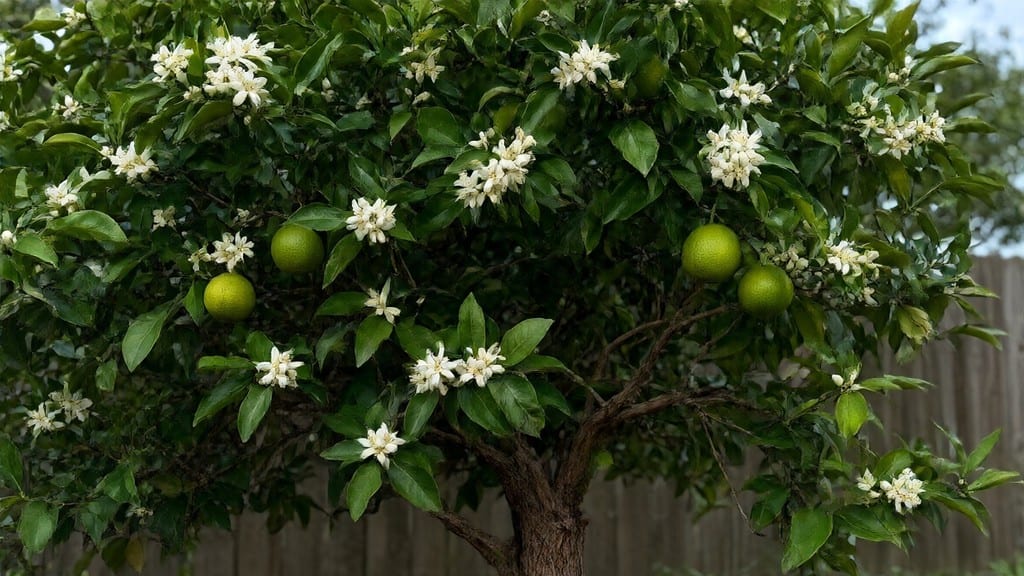
Gardening in zone 9a supports a long growing season with mild winters, allowing tropical and subtropical plants like bougainvillea, citrus trees, and okra to thrive year-round. Avoid frost-sensitive crops in winter and focus on heat-tolerant varieties for summer success.
Zone 9a’s warm climate—with average winter lows between 20°F and 25°F—lets gardeners grow plants that would freeze in colder regions. 🌿 Coastal areas benefit from milder temperatures, while inland spots may experience slightly cooler nights, so adjusting plant placement can make a big difference.
The key is leveraging this extended growing window to experiment with heat-loving crops like eggplant and jasmine while protecting frost-tender varieties during rare cold snaps.
This region’s humidity also means fungal diseases can be a challenge, so proper spacing and airflow become critical. I’ve found that pairing drought-resistant succulents with moisture-loving citrus creates a balanced ecosystem in my own garden. The real advantage? You can harvest fresh produce almost year-round with the right planning.
💡 In This Article
- Understanding Zone 9a Climate and Microclimates
- Top 10 Heat-Tolerant Plants for Zone 9a Gardens
Understanding Zone 9a climate and microclimates
Zone 9a's climate is defined by its 20-25°F winter lows, creating a unique growing environment where frost is rare but not unheard of. The average annual temperature hovers around 65-70°F, with summer highs often exceeding 90°F for extended periods.
This extended warm season—typically 270-300 frost-free days—allows tropical plants like mango trees and hibiscus to thrive without winter dormancy. The humidity levels average 50-70%, which can be both a blessing (supporting lush foliage) and a challenge (promoting fungal growth if not managed).
The coastal areas in Zone 9a experience milder temperatures due to ocean breezes that moderate extremes, while inland regions can see more dramatic temperature swings between day and night.
For example, Los Angeles (coastal) rarely drops below 35°F, whereas inland areas like Riverside might hit 25°F during rare cold snaps.
These microclimates mean gardeners in coastal zones can grow frost-sensitive plants like avocados year-round, while inland gardeners may need to protect them with row covers during occasional cold snaps.
Seasonal shifts in Zone 9a are subtle compared to colder regions. Summers are long and intense, with 100°F+ temperatures common, while winters are mild but can bring occasional 30°F dips that stress tropical plants.
The key to success is selecting varieties that tolerate these fluctuations—like heat-tolerant citrus or drought-resistant succulents—while avoiding frost-sensitive crops like tomatoes during winter months. Proper irrigation and mulching become critical to maintain soil moisture and temperature stability.
Urban microclimates add another layer of complexity. Concrete and asphalt absorb and radiate heat, creating "heat islands" where temperatures can be 5-10°F warmer than surrounding rural areas. This effect extends the growing season in cities but also increases water evaporation rates, requiring more frequent irrigation.
Meanwhile, rural areas with better airflow often have lower humidity and less disease pressure, making them ideal for vegetable gardens. Understanding these variations helps gardeners optimize plant placement and care routines.
Humidity plays a crucial role in plant health. The 50-70% average humidity in Zone 9a can lead to powdery mildew on susceptible plants like roses unless proper airflow is maintained. I've found that spacing plants 3-5 feet apart and pruning for airflow reduces fungal risks significantly.
Coastal gardens benefit from salt spray, which can deter some pests, while inland gardens may face more insect pressure due to higher temperatures. These factors all influence which plants will thrive in specific locations within the zone.
What most gardeners don't realize is how soil temperature affects planting times. Even in Zone 9a, cool soil in early spring can delay germination for warm-season crops like peppers. Using black plastic mulch to raise soil temperatures by 5-10°F can jumpstart the growing season by 2-3 weeks.
This technique is particularly valuable for heat-loving vegetables that need consistent warmth to produce well. The interplay between air temperature, soil temperature, and humidity creates a complex puzzle that successful Zone 9a gardeners learn to navigate with experience.