
Planting
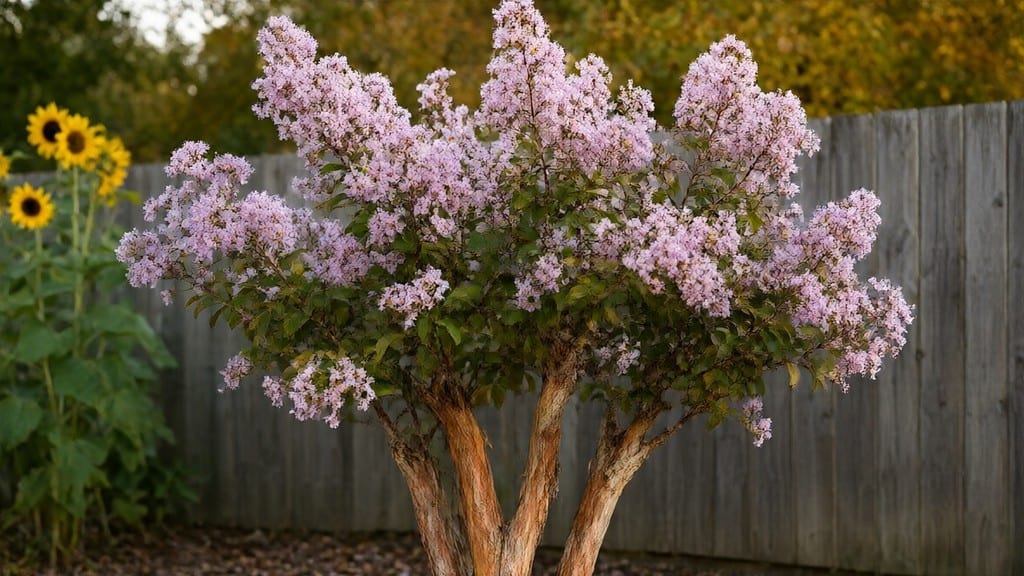
Gardening in zone 8 supports diverse plant growth year-round, with mild winters and hot summers ideal for citrus, herbs, and warm-season vegetables like tomatoes and peppers. Average frost dates range from late November to early March, allowing extended planting seasons.
Zone 8’s climate creates a gardener’s paradise for those who love variety, as its mild winters and long growing season let you grow everything from frost-sensitive tropicals like mangoes to hardy perennials like rosemary.
The key here is leveraging microclimates—urban areas often stay warmer than rural spots, while higher elevations might experience earlier frosts. This means you can push your planting windows further, even experimenting with winter greens or cool-season crops in protected microclimates for near-continuous harvests. 🌿
What really sets zone 8 apart is the ability to grow perennial crops like artichokes or asparagus, which thrive in the warm winters without needing replanting. Even citrus trees—usually reserved for coastal climates—can flourish here with proper winter protection.
The extended frost-free period also means you’re not limited to just summer veggies; with smart planning, you can enjoy fresh spring radishes and fall broccoli too. It’s all about working with the climate’s natural rhythm. ✨
💡 In This Article
- Understanding Zone 8 Climate and Microclimates
- Top Zone 8 Plants for Year-Round Harvests
Understanding zone 8 climate and microclimates
Zone 8's climate thrives on a delicate balance between 10-20°F average winter lows and summer temperatures that can exceed 90°F. This range creates a unique growing environment where plants experience minimal frost stress but still require careful selection to avoid heat damage.
The key mechanism here is how these temperatures interact with plant physiology—most zone 8 plants have evolved to handle brief cold snaps but need protection from prolonged exposure below 28°F, which can cause cellular damage in tender species.
Microclimates play a critical role in zone 8 gardening, often creating 5-10°F temperature variations within just a few feet.
Urban areas, for example, can experience "heat islands" where asphalt and buildings trap warmth, allowing you to grow tropical plants like yuzu citrus or ginger that would perish in cooler rural microclimates.
Conversely, higher elevations might see earlier frosts—sometimes as much as 2-3 weeks sooner—requiring adjustments to planting schedules. These variations mean your garden's microclimate can shift from zone 7 to zone 9 conditions within the same property.
The frost-free period in zone 8 typically spans 240-300 days, creating opportunities for successive planting that most gardeners can only dream of.
Here's how to leverage this: Start cool-season crops like lettuce or kale in early September for fall harvests, then transition to winter-hardy greens like spinach or collards that thrive in 40-60°F temperatures.
The science behind this works because these plants enter a dormant-like state during mild winters, conserving energy while still producing edible growth.
Elevation becomes particularly important when selecting plant varieties. At 1,000 feet above sea level, you might need to choose cold-hardier tomato varieties (like 'Mountain Merit') that can tolerate brief dips to 28°F, while coastal gardens at sea level can safely grow heat-sensitive basil year-round.
This elevation effect creates a 100-mile rule: Every 100 feet of elevation gain roughly equals 1°F cooler average temperatures, which directly impacts which varieties will thrive in your specific microclimate.
One often-overlooked factor is soil temperature, which can vary 10-15°F from air temperature. In zone 8, soil typically stays warm enough for planting 2-4 weeks earlier than what air temperature alone would suggest.
Use a soil thermometer to verify when temperatures reach 60°F for warm-season crops—this is the threshold where seed germination becomes reliable. The contrast between air and soil temperatures explains why you can sometimes plant tomatoes in March when air temps are still cool, but the soil has warmed sufficiently.
For gardeners pushing the limits, winter protection techniques become essential. Using row covers or low tunnels can extend your growing season by 4-6 weeks in both directions—letting you plant spring greens in February and fall crops in November.
The physics here is simple: these covers create a 5-10°F warmer microenvironment by trapping radiant heat from the soil and sunlight during the day, then insulating against nighttime temperature drops.
This microclimate manipulation is what allows zone 8 gardeners to grow tender herbs like cilantro through winter that would otherwise bolt.
What most zone 8 gardeners discover is that the real art lies in matching plant varieties to your specific microclimate's extremes.
While the official zone 8 range suggests 10-20°F winter lows, your garden might experience 25°F in sheltered spots or 5°F in exposed areas—this 20°F difference can mean the difference between success and failure for heat-sensitive plants. The solution?
Start with microclimate mapping of your property, noting where cold air pools (often in low spots) and where heat accumulates (near dark surfaces). This precision approach turns zone 8's climate variability into an advantage rather than a challenge. 🌡️