Planting
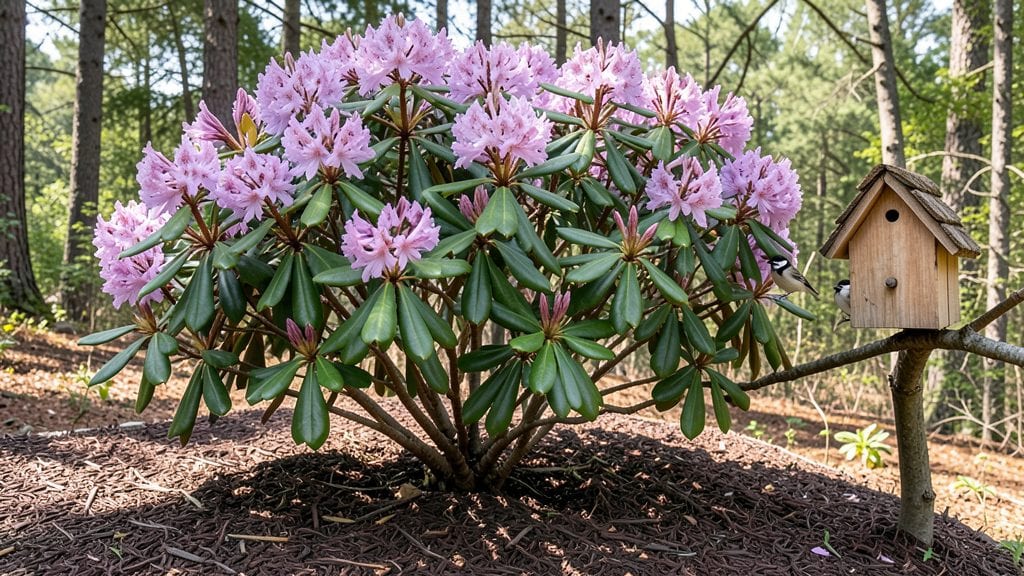
Gardening in Washington State means working with the kind of climate that tests your patience—one day sun-drenched, the next soaked from skies that refuse to quit. 🌧️ I’ve learned the hard way that success here isn’t about forcing plants to adapt, but about choosing the right ones and timing everything just right.
The key? Matching your garden to Washington’s four distinct seasons, where frost can linger into May in the mountains while coastal areas bask in mild winters.
You’ll need a mix of hardy natives like Oregon grape and salal for shelter, plus drought-tolerant picks like lavender or Russian sage for Eastern WA’s dry spells.
Coastal gardeners can lean into moisture-lovers like rhododendrons or ferns, but everyone should prep for winter’s heavy rains with raised beds or proper drainage. The payoff? A garden that thrives when others struggle, with blooms from spring through fall and edibles that outlast the driest summers.
Timing is everything—plant cool-season crops like kale or peas in early spring before the soil warms, and save heat-lovers like tomatoes for after the last frost (late May in most zones).
Prune fruit trees in winter while they’re dormant, and don’t skip the mulch—it’s your best defense against soggy roots and temperature swings. The result? A garden that feels like it belongs here, not like a stubborn guest at a party.
Washington’s climate isn’t just a challenge; it’s a puzzle waiting to be solved. Whether you’re battling Pacific Northwest rain or Eastern WA’s scorching summers, the right approach turns these conditions into advantages. Let’s get your garden growing like it’s been here all along.
📚 In This Guide
- What you need
- Instructions
- Tips and common mistakes
- Wrapping up and next steps
What you need
- ● Soil: Native topsoil (5-10 yards, depending on garden size)
- ● Compost (2-3 cubic feet per 100 sq. ft. of garden bed)
- ○ Optional: Peat moss or coconut coir (for acid-loving plants like blueberries)
- ● Plants: Native seedlings or bare-root plants (e.g., Symphyotrichum for fall blooms, Mahonia aquifolium for winter interest)
- ● Perennials (e.g., Achillea, Heuchera) for low-maintenance beauty
- ○ Optional: Annuals like Calendula or Nasturtium for color and pollinators
- ● Tools: Garden trowel (for precision planting)
- ● Pruners (bypass pruners for clean cuts)
- ● Garden fork (for aerating soil)
- ● Wheelbarrow or garden cart (for hauling soil/amendments)
- ● Watering can or hose with adjustable nozzle (for gentle watering)
- ○ Optional: Drip irrigation kit (for efficient watering)
- ● Rain Barrels: 1-2 (to collect Washington’s plentiful rainfall for dry spells)
- ● Mulch: Wood chips or straw (2-3 inches thick to retain moisture and suppress weeds)
- ● Windbreaks: Bamboo fencing or shrubs (e.g., Cotoneaster) for coastal or exposed areas
- ● Frost Cloth: (for tender plants during late spring/early fall frosts)
- ○ Optional: Greenhouse or cold frame (to extend growing seasons in colder zones like blank">USDA Zone 7)
- ● pH testing kit (to ensure soil is optimal for native plants, ideally 6.0-7.0)
- ● Organic fertilizer (e.g., fish emulsion or compost tea for nutrient boosts)
- ● Garden journal (to track plant progress and Washington’s microclimates!)
- ● Knee pads or ergonomic tools (for comfort during long gardening sessions)
Instructions for year-round gardening success in Washington State
Washington's diverse climate means your garden can thrive all year—here's how to work with the seasons.
🌱 Step 1: Plan for Washington's Microclimates
Washington's climate varies dramatically by region. Western areas like Seattle experience mild, wet winters with cool summers, while Eastern Washington has hot, dry summers and cold winters. Start by identifying your specific zone—most of western WA falls in Zones 7-9, while Eastern WA spans Zones 4-7. This determines what you can grow year-round.
I always check the USDA Plant Hardiness Zone Map for my exact location. For example, you can grow kale and spinach in winter in Zone 8 Seattle, but they'll bolt in summer's heat. Meanwhile, in Zone 5 Spokane, you'll need cold-hardy varieties like winter rye or garlic. Plan your garden layout around these differences.
💧 Step 2: Master Water Management for Rainy and Dry Seasons
Western Washington's 100+ inches of annual rainfall might seem ideal, but poor drainage and fungal diseases become major problems. Eastern WA, on the other hand, faces summer drought conditions that require careful irrigation planning. Always use raised beds or containers with drainage holes to prevent waterlogging—especially in clay-heavy soils common across the state.
I install drip irrigation systems for summer months to deliver water directly to roots, reducing evaporation. For winter gardening in wetter areas, focus on well-draining soils with organic matter to prevent root rot. Mulch heavily with 3-4 inches of straw or wood chips to regulate soil temperature and moisture year-round.
☀️ Step 3: Extend the Growing Season Strategically
Use season extension techniques tailored to Washington's climate. In cooler western regions, cold frames or low tunnels can push spring planting back by 4-6 weeks and extend fall harvests. I've seen lettuce and peas growing under these setups well into December. For Eastern WA's hot summers, provide afternoon shade with shade cloth (30-50%) to protect heat-sensitive crops like basil and cucumbers.
Plant winter cover crops like winter rye or clover in fall—they protect soil, prevent erosion, and add organic matter when tilled in spring. In urban areas, use greenhouses or hoop houses for year-round production of greens and herbs. The key is matching your extension method to your specific microclimate's temperature extremes.
✂️ Step 4: Choose Native and Adapted Plants
Washington's native plants and well-adapted varieties thrive with minimal intervention. Incorporate Pacific Northwest natives like salal, sword fern, and Oregon grape for year-round interest and drought tolerance. For edibles, focus on varieties bred for local conditions—like 'Tyee' strawberries for wet climates or 'Cherokee Purple' tomatoes that handle cooler summers.
I always research Washington State University Extension recommendations for specific crops. For example, 'Mammoth Melting' sugar snap peas perform exceptionally well in both wet and dry areas. Native perennials like beebalm and yarrow require almost no summer watering once established. Start with these proven performers before experimenting with less-adapted varieties.
🪴 Step 5: Prepare for Extreme Weather Events
Washington's climate includes unpredictable windstorms, heatwaves, and sudden freezes. Install windbreaks using evergreen trees or bamboo fencing to protect tender plants. In Eastern WA, prepare for 100°F+ heatwaves by providing daily afternoon shade and mulching heavily to retain moisture.
I always have row covers and frost blankets on hand for spring and fall transitions. For winter gardening in exposed areas, use straw bales or cedar mulch to insulate soil and protect crops. Monitor local weather forecasts and be ready to act quickly—Washington's weather can shift dramatically in 24 hours. This preparedness makes all the difference between a thriving garden and a lost crop.
Tips & tricks for perfect year-round Washington gardening
Washington's climate demands smart strategies to make gardening work all year—here's how to avoid common pitfalls and maximize your harvest.
Microclimate Mastery: The 4-6 week extension from cold frames in Step 3 works best when paired with your specific zone. In Zone 5 Spokane, use cold frames primarily for spring starts and fall harvests, while Zone 8 Seattle gardeners can extend into winter. I always mark my garden map with these zone boundaries to avoid planting heat-sensitive crops in summer months. This visual reminder prevents costly mistakes when planning layouts.
Water Wisdom: That 3-4 inches of mulch in Step 2 isn't just about moisture—it's your first line of defense against Washington's extreme weather swings. In Eastern WA's summer droughts, I double the mulch to 6 inches around young plants. For Western WA's rainy winters, focus mulch around the base of plants rather than spreading it widely to prevent fungal growth from excess moisture. The key is adapting the same technique to your specific seasonal challenges.
Native Plant Advantage: When selecting plants in Step 4, prioritize those with deep roots like Oregon grape or beebalm—they tolerate Washington's seasonal extremes better than shallow-rooted annuals. I've found that native perennials need 30-50% less water once established compared to non-native varieties. Start with these proven performers before experimenting with less-adapted plants that might require constant intervention.
Weather Preparedness: The 24-hour weather window mentioned in Step 5 is critical for Washington's unpredictable shifts. I keep a dedicated "weather watch" station near my garden with a thermometer and wind gauge. When temperatures approach 100°F in Eastern WA, I move tender plants to shaded areas immediately—delaying by even a few hours can cause irreversible damage. This proactive approach has saved multiple crops during sudden heatwaves.
Pro Tips for Gardening Washington State
- Washington's climate demands smart strategies to make gardening work all year—here's how to avoid common pitfalls and maximize your harvest.
- Microclimate Mastery: The 4-6 week extension from cold frames in Step 3 works best when paired with your specific zone.
- Water Wisdom: That 3-4 inches of mulch in Step 2 isn't just about moisture—it's your first line of defense against Washington's extreme weather swings.
Frequently asked questions
Got questions about gardening in Washington State? You’re not alone—our unique climate and diverse regions can make gardening feel like solving a puzzle! Here are answers to the most common queries to help you grow with confidence.
What’s the best time to start planting in Washington State?
Timing depends on your zone! For spring planting, aim for late March to early May after the last frost (usually mid-April in Western WA and early May in Eastern WA). Fall crops like kale or carrots thrive when planted 6–8 weeks before the first frost (late September–October). Use WSU’s frost date map to pinpoint your area.
Can I garden in Washington’s rainy winters?
Embrace the rain by focusing on cold-hardy crops like Brussels sprouts, spinach, and garlic. Use raised beds for better drainage, and mulch heavily to protect roots. Greenhouses or cold frames extend growing seasons—perfect for winter greens or even strawberries! Just avoid soggy soil by amending with compost.
What pests are most common in WA gardens, and how do I stop them?
Washington’s mild winters mean pests like slugs, aphids, and cabbage worms thrive. Try these fixes:
- Slugs: Set out beer traps or use copper tape around beds.
- Aphids: Spray with soapy water or introduce ladybugs.
- Cabbage worms: Use row covers or handpick eggs.
How do I water efficiently in WA’s dry summers?
Drip irrigation or soaker hoses are your best friends—they deliver water directly to roots and cut evaporation. Water deeply 2–3 times per week (early morning is ideal) instead of daily shallow sprinkles. For native plants, group them by water needs—drought-tolerant sage or yarrow need less than thirsty veggies.
Are there low-maintenance plants perfect for WA’s climate?
Yes! Opt for native perennials like salmonberry, Oregon grape, or sword fern—they’re adapted to WA’s weather and require minimal care. For veggies, try perennial kale, asparagus, or rhubarb. Succulents and lavender also thrive with little fuss. Check out WSU’s recommended low-maintenance list for more ideas!
What should I do if my soil is too acidic for my plants?
Washington’s soil is often acidic (pH 5.0–6.5), but most veggies prefer 6.0–7.0. Test your soil with a DIY kit or send a sample to WSU Extension. To raise pH, mix in lime (calcium carbonate); for lower pH, add sulfur or pine needles. Compost helps balance pH naturally over time.
Wrapping up and next steps
Gardening in Washington State is a rewarding journey that blends native wisdom with year-round possibilities—whether you're nurturing lush native plants, embracing permaculture, or simply enjoying fresh harvests. From choosing the right soil to harnessing seasonal rhythms, every step connects you deeper to the land’s natural rhythm. 🌱
Ready to roll up your sleeves? Start small—plant a single native shrub, build a raised bed, or even just tend to your windowsill herbs. Your garden’s success begins with curiosity and care! Happy growing, and may your Washington green space flourish as abundantly as the Pacific Northwest’s beauty.