Landscaping
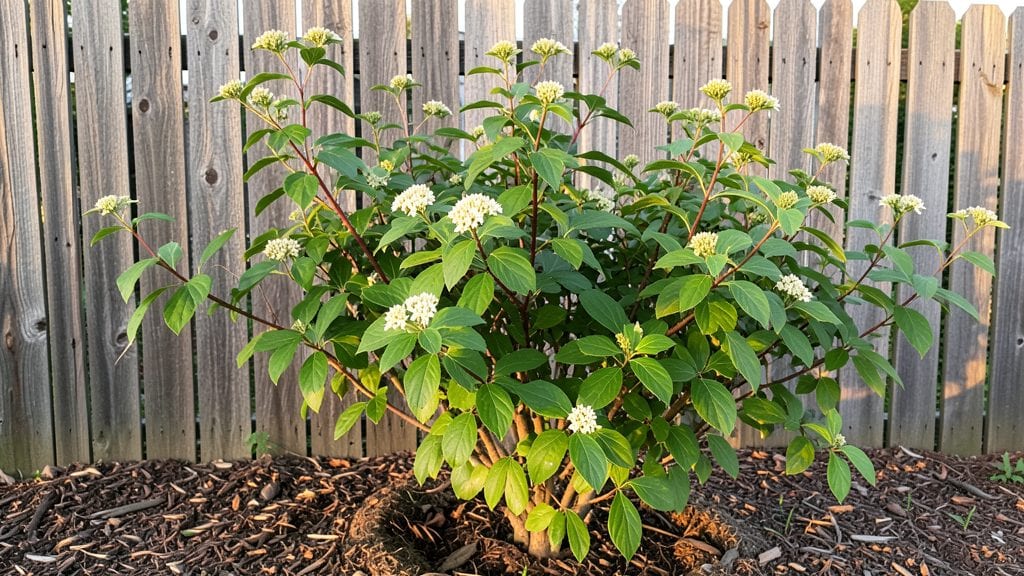
Gardening in New England isn’t about fighting the climate—it’s about working with it. 🌿 I’ve spent years testing cold-hardy plants that refuse to give up, even when winter’s breath lingers into May. The key isn’t just picking the right species; it’s understanding how to layer them for year-round interest.
Rocky soil and deer pressure don’t have to derail your garden. Native perennials like coneflowers and black-eyed Susans thrive in poor soil, while ornamental grasses like little bluestem add texture without inviting nibbling critters. These plants return every spring, proving that beauty and resilience go hand in hand.
Your garden can be a four-season showstopper, from the bold foliage of New England asters in fall to the delicate blooms of hellebores that poke through snow. With the right choices, you’ll have a landscape that feels alive—even when the rest of the region is dormant.
We’ll cover the toughest spots in your yard and how to turn them into assets. Whether you’re dealing with shade, wind, or that inevitable rocky patch, there’s a plant (and a strategy) that’ll make it work.
Let’s build a garden that stands up to New England’s challenges—and steals the show while doing it.
📚 In This Guide
- What you need
- Instructions
- Tips and common mistakes
- Wrapping up and next steps
What you need
- ● Cold-hardy plants: Perennials (e.g., Heuchera, Hosta, Astilbe) – 3-5 plants per variety
- ● Shrubs (e.g., Viburnum, Holly, Butterfly Bush) – 1-2 per type
- ● Evergreens (e.g., Pine, Spruce, Juniper) – 1-3 for structure
- ● Bulbs (e.g., Daffodils, Tulips, Allium) – 10-20 per variety
- ● Soil amendments: Compost (5-10 gallons) – improves drainage and fertility
- ● Peat moss or coconut coir (10-20 bags) – for acidic-loving plants
- ● Lime (if soil is acidic) – 1-2 lbs per 100 sq ft (test first!)
- ● Mulch: Organic mulch (e.g., wood chips, straw) – 2-3 inches, 1-2 cubic yards per 100 sq ft
- ● Garden fork – for aerating heavy New England soil
- ● Pruners (bypass & anvil) – for shaping and winterizing plants
- ● Trowel – for transplanting bulbs and small perennials
- ● Garden gloves (waterproof) – highly recommended for thorny shrubs!
- ● Wheelbarrow – 2-3 cubic feet capacity for hauling soil/amendments
- ● Soil pH test kit – ensures your plants get the right conditions
- ● Row covers or frost blankets – for early spring/late fall protection
- ● Drip irrigation system – automates watering in unpredictable New England weather
- ● Cold frame or greenhouse – extends growing seasons
- ● Bird feeders & houses – attracts pollinators and pests’ natural predators
- ● Seasonal color guides – for planning blooms year-round
Step-by-Step guide to selecting cold-hardy plants for New England gardens
New England’s chilly climate demands smart choices—here’s how to pick plants that withstand winters and reward you with vibrant growth.
🌱 Step 1: Choose Native and Cold-Resistant Varieties
Start with plants that naturally thrive in New England’s USDA Zones 3-6. Native species like serviceberry, sumac, and wild bergamot are excellent choices because they’ve evolved to handle our winters. I also recommend evergreen shrubs like inkberry holly or wintergreen boxwood, which stay lush even under snow.
Check the hardiness zone on seed packets or plant tags—look for labels stating Zone 3 or lower. These plants can survive below -30°F without extra protection. For perennials, coneflowers, black-eyed Susans, and Russian sage are tough, colorful options that bounce back every spring.
☀️ Step 2: Plan for Seasonal Sunlight and Wind Exposure
New England’s short growing season means you’ll need to maximize sunlight. Position plants with full sun exposure (6+ hours daily) in the south or west sides of your yard, where they get the most warmth. If you’re in a windy area, like coastal Maine or Vermont, choose wind-resistant plants like arborvitae, juniper, or sea thrift—their sturdy forms won’t snap in storms.
For shaded spots under trees, opt for hostas, ferns, or astilbes, which tolerate partial shade (3-6 hours of sun). I always test a plant’s sunlight needs in its first year—if it looks stressed (yellowing leaves, slow growth), it’s not getting enough light or too much wind.
💧 Step 3: Prepare Soil for Cold-Climate Success
New England’s clay-heavy or rocky soil drains poorly, so amend it with 2-3 inches of compost before planting. I mix in peat moss or pine bark fines to improve drainage and add organic matter. For acid-loving plants like blueberries or rhododendrons, test your soil’s pH—aim for 4.5-5.5—and adjust with sulfur or pine needles if needed.
Mulch heavily in late fall with 3-4 inches of shredded bark or straw to insulate roots. This prevents frost heave (when soil freezes and lifts plants out of the ground) and keeps soil temperatures stable. In spring, remove old mulch and add fresh to feed the soil as it warms.
⏰ Step 4: Time Planting for Optimal Survival
Plant perennials and shrubs in early spring or fall when soil is 60-70°F but not frozen. Fall planting gives roots time to establish before winter, while spring planting avoids late-season heat stress. For bulbs like daffodils or tulips, plant them in October—their roots need 6-8 weeks of cold to bloom reliably.
If you’re starting from seed, sow cool-season crops (like kale or peas) in early spring or late summer for fall harvests. Warm-season plants (tomatoes, peppers) need to wait until after the last frost date (usually late May in most of New England). I always check the New England Frost Calculator to avoid planting too early.
🌿 Step 5: Protect Plants During Extreme Winters
Even the hardiest plants need help in brutal winters (below -20°F). Wrap young trees or tender shrubs with burlap or frost cloth and secure it with twine. For roses or hydrangeas, mound 6 inches of mulch around the base to shield the crown from freezing.
Evergreens lose moisture in winter, so water them in late fall before the ground freezes. If snow piles up, brush it off branches to prevent breakage. I also avoid pruning in late winter—wait until early spring when new growth signals the plant is waking up.
Tips & tricks for perfect New England gardening
New England's winters can be unforgiving, but these practical tips will help your garden thrive year after year without the guesswork.
Zone 3 Survival Secret: When selecting plants labeled for Zone 3 or lower, pay special attention to the minimum temperature rating rather than just the zone number. Plants rated for -30°F will handle New England's harshest winters, but if you're in a microclimate like coastal areas where temperatures rarely drop below 20°F, you can extend your options to Zone 4 plants. I've seen serviceberry bushes survive -40°F winters in inland Vermont!
Sunlight Testing Strategy: For Step 2's sunlight assessment, I recommend testing plants in their first growing season by moving them temporarily to different locations. Place a full sun plant in partial shade for a week—if it shows signs of stress (yellowing leaves, leggy growth), that spot isn't suitable. Conversely, if your partial shade plant like hostas thrives with more sun than expected, you've found a hidden sun spot to expand your garden's potential.
Soil Prep Timing: Don't wait until planting day to amend your soil! I start preparing beds in late summer2-3 inches of compost and peat moss gives beneficial microbes time to break it down before winter. For acid-loving plants like blueberries, I test soil pH in early spring and apply sulfur if needed—it takes 2-3 months to adjust the pH properly.
Winter Protection Hack: For Step 5's winter protection, I've found that wrapping young trees with burlap or frost cloth works best when you leave the bottom 6 inches unwrapped. This allows heat from the ground to rise and protect the plant's base while still shielding the vulnerable top. For evergreens, I water them in late fall before the ground freezes—this hydrated state helps them withstand winter's drying winds.
Pro Tips for Gardening New England
- New England's winters can be unforgiving, but these practical tips will help your garden thrive year after year without the guesswork.
- Zone 3 Survival Secret: When selecting plants labeled for Zone 3 or lower, pay special attention to the minimum temperature rating rather than just the zone number.
- Sunlight Testing Strategy: For Step 2's sunlight assessment, I recommend testing plants in their first growing season by moving them temporarily to different locations.
Frequently asked questions
Got questions about tackling New England’s unique gardening challenges? You’re not alone! Here are answers to the most common queries from gardeners in the region—whether you're a beginner or a seasoned pro.
What are the best cold-hardy vegetables for New England’s short growing season?
Focus on fast-maturing crops like kale, spinach, radishes, and bush beans, which thrive in cool weather. Hearty root vegetables such as carrots, beets, and potatoes also do well. For extended harvests, try cold-frame gardening or row covers to protect tender plants like lettuce or peas.
How do I prepare my garden for New England’s harsh winters?
Start by clearing debris and adding a 2–3 inch layer of compost or mulch to insulate soil. Plant winter-hardy perennials like heuchera, sedum, or Russian sage for year-round interest. For annuals, consider winterizing containers by wrapping them in burlap and storing them in a sheltered spot.
When is the ideal time to plant in New England’s climate?
New England’s growing season varies by zone, but a general rule is to plant cool-season crops (like broccoli or peas) in early spring (March–April) or late summer (August–September). Warm-season plants (tomatoes, peppers) should wait until after the last frost (typically mid-May to June). Use a frost calendar for your specific area!
How do I deal with common New England pests like Japanese beetles or slugs?
For Japanese beetles, handpick them early in the day or use neem oil. Slugs thrive in damp conditions—set out beer traps or sprinkle diatomaceous earth around plants. Row covers also deter many pests while allowing sunlight and water through. Crop rotation helps break pest life cycles too!
Can I garden successfully in New England with limited space (e.g., balconies or small yards)?
Opt for container gardening with dwarf varieties of veggies (like bush tomatoes or patio peppers) or vertical gardening with trellises for cucumbers or beans. Window boxes work great for herbs like basil or parsley. Even a sunny windowsill can grow microgreens or herbs!
Wrapping up and next steps
Gardening in New England’s unique climate is totally doable—and rewarding! From cold-hardy perennials to resilient vegetables, the right plants can turn your yard into a thriving oasis, even through harsh winters.
Whether you’re a seasoned green thumb or just starting out, embracing native and adaptive species ensures success with less fuss.
Ready to dive in? Start small—pick one or two plants from this guide, test them out, and let your confidence (and garden!) grow. Soon, you’ll be sharing your New England-grown bounty with pride! 🌱💚