Tools
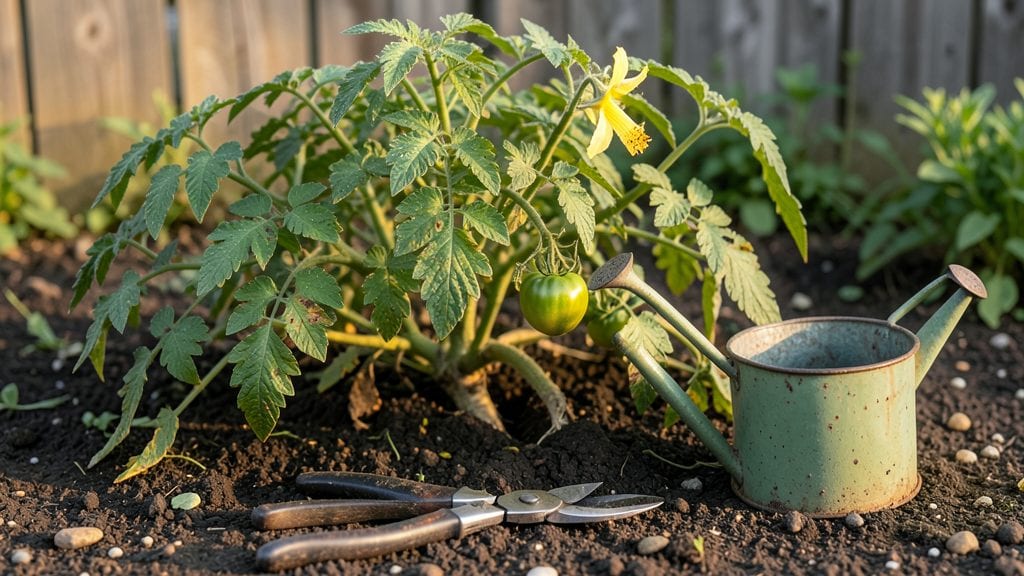
When your garden tomatoes start dropping blossoms or cracking open like overripe fruit, panic sets in—but these issues have fast fixes. 🌱 I’ve watched my own plants struggle with the same problems, and the solutions are simpler than they seem once you know what’s really going on.
The culprits are usually too much heat, inconsistent watering, or sudden swings in soil moisture. Blossom drop often happens when daytime temps hit 90°F+, while cracked fruit screams "uneven watering!"—soaking dry soil one day, then letting it dry out the next.
The good news? Adjusting your watering schedule or providing afternoon shade can turn things around in days.
You’ll see blossoms stay put and fruit firm up within a week of making these tweaks. The key is consistency: water deeply 1-2 times per week (depending on heat) and mulch to keep roots cool. No more wasted flowers or split tomatoes ruining your harvest.
Works for both container and in-ground tomatoes, and the fixes apply to other heat-sensitive crops too. Let’s get those plants back on track before another batch gets ruined.
Root Causes of Tomato Troubles
When your garden tomatoes start acting up—whether they’re dropping blossoms before fruiting or splitting open like overripe melons—the blame usually lies in a mix of environmental factors, cultural mismanagement, or biological stress.
Understanding why these issues occur is the first step to fixing them. Let’s break down the science behind the most common tomato woes.
Tomatoes are tropical plants at heart, but they’re not fans of extreme swings in temperature. Here’s how heat and cold throw their growth cycle off:
- Blossom Drop: When nighttime temperatures dip below 55°F (13°C) or soar above 90°F (32°C), pollen production and fertilization get disrupted. Cold snaps weaken pollen tubes, preventing them from reaching the ovules, while heat causes pollen to desiccate (dry out) before it can do its job.
- Cracked Fruit: Rapid temperature shifts—like a scorching day followed by a chilly night—cause uneven water uptake. Cells on the fruit’s surface expand faster than those inside, leading to those unsightly (and unappetizing) splits.
Pro Tip: 🌡️ Use row covers or shade cloth during heatwaves, and plant heat-tolerant varieties like ‘Solar Fire’ or ‘Heatmaster’ if your summers are brutal.
Water is the lifeblood of tomatoes, but get it wrong, and you’ll trigger a cascade of problems. Here’s how:
- Blossom Drop: Inconsistent watering—especially drought stress followed by sudden soaking—causes the plant to abort flowers. This happens because the plant prioritizes survival over reproduction when its roots are struggling to keep up with demand.
- Cracked Fruit: Overwatering or heavy rain after a dry spell leads to a water spike in the fruit. The outer skin expands rapidly while the inner flesh can’t keep pace, causing splits. Underwatering also contributes by hardening the skin, making it more prone to bursting when water finally hits.
Pro Tip: 💡 Water deeply but infrequently—aim for 1–1.5 inches per week—and use drip irrigation to keep moisture consistent. Mulch with straw or grass clippings to stabilize soil temps and retain water.
Tomatoes are heavy feeders, but too little or too much of the wrong nutrients can derail their growth. Here’s what goes wrong:
- Blossom Drop:
- Nitrogen Overload: Too much N (common in fresh manure or over-fertilized soil) promotes leafy growth at the expense of flowers. The plant prioritizes foliage because it’s easier to produce than fruit.
- Calcium Deficiency: Low calcium (often from overwatering or high phosphorus/potassium) weakens cell walls, leading to blossom end rot (which can cause drop) and poor fruit set.
- Cracked Fruit: Excessive nitrogen late in the season encourages rapid, uneven growth, while potassium deficiencies weaken the fruit’s structural integrity. Even overwatering with hard water (high in sodium) can disrupt calcium uptake, contributing to splits.
Pro Tip: 🎯 Test your soil and amend with calcium-rich sources like crushed eggshells or gypsum. Use a balanced fertilizer (10-10-10 or 5-10-10) and switch to a low-N, high-P/K formula (like 0-10-10) when flowers appear.
While pests and diseases don’t directly cause blossom drop or cracking, they create stress that triggers these issues indirectly:
- Blossom Drop:
- Sucking Pests (Aphids, Whiteflies): These sap-suckers reduce photosynthesis, starving the plant of energy needed for fruit development.
- Fungal Diseases (Early Blight, Septoria Leaf Spot): As leaves yellow and drop, the plant diverts energy away from flowers and fruit to replace lost foliage.
- Cracked Fruit: Fruitworms or hornworms burrowing into tomatoes create physical stress points, making the fruit more prone to splitting when watered. Bacterial or fungal infections (like Alternaria) also weaken cell walls.
Pro Tip: 🛡️ Monitor plants for pests weekly and use neem oil or insecticidal soap preventatively. Remove infected leaves immediately and space plants for good airflow to prevent fungal spread.
Even in perfect conditions, some tomato problems stem from biological limitations:
- Blossom Drop:
- Lack of Bees/Wind: Tomatoes are self-pollinating, but they need a little help—either from bees or a gentle breeze. If your garden is bee-free (common in urban areas), pollen may not transfer efficiently.
- Hereditary Weakness: Some varieties (like ‘Cherry Tomatoes’) are more prone to drop blossoms due to shallow root systems or sensitive pollen.
- Cracked Fruit: Genetics play a role—indeterminate varieties (like ‘Brandywine’) are more prone to cracking than determinate types (like ‘Roma’) because they grow continuously and absorb water unevenly.
Pro Tip: ✨ Hand-pollinate by gently shaking plants in the morning or use a small paintbrush to transfer pollen. For cracking-prone varieties, prune suckers aggressively to limit fruit load and reduce water stress.
Quick Fixes for Common Tomato Troubles
Now that you know the why behind those pesky garden tomato problems, let’s tackle the how—with practical, step-by-step solutions to save your harvest. Whether your tomatoes are dropping blossoms, splitting open, or looking lackluster, these fixes will get your plants back on track.
And don’t worry—we’ve included prevention tips to keep future crops thriving!
Problem: Flowers fall off before turning into tomatoes, leaving you with fewer (or no!) harvests.
🔥 Fix It Fast: Adjust Care Immediately 1. 💧 Water Deeply & Consistently
- Issue: Fluctuating moisture stresses plants, causing blossoms to drop.
- Fix: Water deeply (1–2 inches per week) at the base of the plant, especially during dry spells.
Use a soaker hose or drip irrigation to avoid wetting leaves (which can cause disease). - Prevention: Mulch with straw or grass clippings to retain moisture and regulate soil temperature.
- 🌡️ Balance Temperature & Humidity
- Issue: Extreme heat (above 90°F) or cold snaps (below 55°F) shock plants.
- Fix:
- Shade cloth (30–50%) during heatwaves to protect flowers.
- Row covers for early/late seasons to shield from cold drafts.
- Prevention: Plant heat-tolerant varieties like ‘Solar Fire’ or ‘Heatmaster’ if your climate swings wildly.
- 🍽️ Fertilize Smartly (No Overdoing It!)
- Issue: Too much nitrogen = lush leaves, but fewer flowers/fruit.
- Fix:
- Switch to a low-nitrogen, high-phosphorus fertilizer (like 5-10-10) when flowers appear.
- Stop fertilizing 2–3 weeks before harvest to avoid late-season stress.
- Prevention: Side-dress with compost or bone meal at planting for a steady phosphorus boost.
- 🌱 Prune for Better Airflow
- Issue: Crowded plants struggle with pollination and disease.
- Fix: Prune suckers (shoots in the leaf axils) to open up the plant and improve airflow. Remove lower leaves touching the soil to prevent rot.
Problem: Tomatoes split open—either radially (star-shaped) or concentrically (circular)—ruining their quality.
🍳 Fix It Before It Starts: Manage Water & Soil
- 💧 Water Like a Pro (Consistency Is Key!)
- Issue: Uneven watering causes rapid growth spurts, leading to splits.
- Fix:
- Water evenly—aim for 1–1.5 inches per week, splitting doses into morning sessions (avoid evening watering to prevent disease).
- Use drip irrigation or a self-watering system for precision.
- Prevention: Mulch heavily (3–4 inches) to lock in moisture and prevent soil temperature swings.
- 🌱 Choose the Right Varieties
- Issue: Some tomatoes (like beefsteaks) are prone to cracking due to thick skins.
- Fix: Opt for thinner-skinned varieties like ‘Roma’, ‘Cherry’, or ‘Early Girl’ if cracking is a recurring issue.
- 🍅 Harvest Early (When Firm but Green)
- Issue: Overripe tomatoes on the vine are more likely to crack.
- Fix:
- Pick tomatoes before they fully ripen (when they’re firm but still green).
- Finish ripening indoors on a counter or in a paper bag with a banana (ethylene gas speeds it up!).
- Prevention: Harvest regularly—don’t let fruit overload the plant.
- 🔪 Trim Excess Fruit (For Heavy Bearers)
- Issue: Overloaded plants struggle to support too many tomatoes.
- Fix: If your plant is bursting with fruit, remove some smaller tomatoes to let the remaining ones mature without splitting.
| Problem | Quick Fix | Prevention Tip |
|---|---|---|
| Yellow Leaves | Check for overwatering or nutrient deficiency (add iron or magnesium). | Test soil pH (ideal: 6.0–6.8). |
| Whiteflies or Aphids | Spray with neem oil or soapy water. Introduce ladybugs for natural control. | Reflective mulch (aluminum foil) deters pests. |
| Blossom End Rot | Calcium boost (crushed eggshells or calcium nitrate). | Mulch + consistent watering prevents calcium uptake issues. |
| Powdery Mildew | Baking soda spray (1 tsp baking soda + 1 quart water + a drop of soap). | Space plants for airflow; water at the base. |
- 💡 Hand-Pollinate if your garden lacks bees: Gently shake plants or use a small paintbrush to transfer pollen. - 🌡️ Avoid Cold Drafts—tomatoes hate wind.
Use windbreaks or row covers in chilly areas. - 🎯 Rotate Crops yearly to prevent soil-borne diseases from building up. - 🍅 Succession Plant every 2 weeks for a continuous harvest (and less stress on individual plants).
With these fixes, your tomato plants should bounce back stronger—and you’ll be feasting on plump, crack-free, homegrown tomatoes in no time! 🍅🔥 For persistent issues, consider soil testing or consulting your local cooperative extension service for tailored advice.
Frequently asked questions
Why do my tomato flowers keep falling off before turning into fruit?
This usually happens due to temperature stress (above 90°F or below 55°F) or inconsistent watering. Tomatoes need stable conditions—try shade cloth during heatwaves and water deeply 1-2 times per week. Over-fertilizing with nitrogen also shifts energy toward leaves instead of fruit.
How can I prevent my tomatoes from cracking open?
Cracking happens when water uptake is uneven—either from drought followed by heavy rain or overwatering. Water consistently (aim for 1-1.5 inches per week) and mulch to stabilize soil moisture. Harvest tomatoes when firm but green to avoid overloading the plant.
What’s the best way to fix yellow leaves on my tomato plants?
Yellow leaves often signal overwatering or nutrient deficiencies (like nitrogen or magnesium). Check soil moisture—tomatoes prefer slightly dry soil between waterings. If leaves are pale, amend with compost or a balanced fertilizer (10-10-10). Avoid wetting foliage to prevent fungal issues.
Are there tomato varieties that resist common problems?
Yes! For heat tolerance, try ‘Solar Fire’ or ‘Heatmaster’. For cracking resistance, choose ‘Roma’ or ‘Early Girl’ (thinner-skinned). Disease-resistant options include ‘Mountain Merit’ (blight-resistant) or ‘Celebrity’ (crack-resistant). Always check seed packets for specific traits.
How do I know if my tomato plant has a pest problem?
Look for holes in leaves (hornworms), sticky residue (aphids), or whiteflies fluttering near plants. Act fast: Spray with neem oil or insecticidal soap, and introduce beneficial insects like ladybugs. Remove heavily infested leaves immediately to stop the spread.