
Lawn
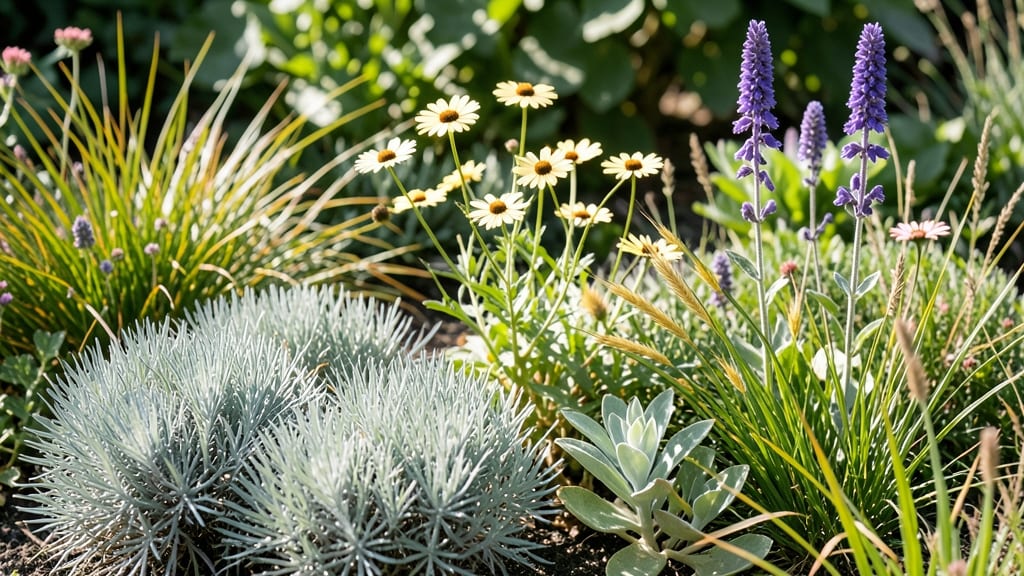
Transforming your front lawn into a garden that turns heads all year isn't just about pretty pictures—it's about creating a space that feels like yours while demanding less of your time. 🌿 I've designed front yards that bloom from spring through frost, using plants that thrive in my zone without requiring daily attention.
The key? Layering perennials, shrubs, and seasonal annuals so there's always something interesting happening, whether it's the purple blooms of salvia in summer or the winter structure of ornamental grasses.
You don't need a green thumb or a budget for this—just a few strategic plants and some basic hardscaping like stepping stones or a simple border. My favorite low-maintenance combo includes lavender for fragrance, Russian sage for height, and creeping thyme for ground cover that stays green even in drought.
The best part? These plants pair beautifully with modern or cottage-style designs, so you can match your garden to your home's vibe without sacrificing ease of care.
What you'll end up with is a front yard that feels like a curated garden showpiece, not a high-maintenance chore. Imagine walking outside to see jewel-toned blooms in spring, lush foliage in summer, and textured plants holding interest through winter.
The neighbors will ask what you did, and you'll just smile—because the secret is in the planning, not the perfection.
This works for any yard size, from narrow city lots to spacious suburban frontages. Whether you're starting fresh or refreshing what you already have, the principles stay the same: choose the right plants for your climate, group them by sunlight needs, and let them do the heavy lifting.
Ready to see how it comes together?
📚 In This Guide
- What you need
- Instructions
- Tips and common mistakes
- Wrapping up and next steps
What you need
- ● Soil amendments: Compost (2–3 cubic yards, depending on lawn size)
- ● Organic mulch (2–4 bags, e.g., cedar or pine straw)
- ● Slow-release fertilizer (e.g., 10-10-10, 1 bag per 500 sq. ft.)
- ● Plants & seeds: Perennials (e.g., coneflowers, black-eyed Susans—5–10 plants per section)
- ● Annuals (e.g., marigolds, petunias—10–20 plants for color bursts)
- ● Ground covers (e.g., creeping thyme or clover—10–15 sq. ft. coverage)
- ● Seeds (wildflower mix or native grasses—1–2 lbs per 100 sq. ft.)
- ● Tools: Garden shovel & trowel
- ● Pruners (bypass for clean cuts)
- ● Wheelbarrow (for hauling soil/mulch)
- ● Rake (bow rake for leveling, leaf rake for cleanup)
- ● Garden hose with spray nozzle (or watering can for small areas)
- ● Knee pads (because gardening is not a sport 😅)
- ● Decorative elements: Garden stakes or obelisks (for climbing plants like clematis)
- ● Solar-powered path lights (for evening ambiance)
- ● Birdbath or small fountain (🐦 bonus: instant wildlife appeal!)
- ● Functional upgrades: Drip irrigation kit (for low-maintenance watering)
- ● Soil pH tester (to tweak acidity for picky plants)
- ● Garden gloves (to avoid blisters and thorns)
- ● Safety & prep: Weed barrier fabric (landscape cloth, 1 roll per 100 sq. ft.)
- ● Edging tools (to define garden borders neatly)
How to design a stunning year-round front lawn garden
Here’s how to transform your front yard into a vibrant, low-maintenance showcase that blooms through every season.
🌱 Step 1: Plan Your Seasonal Color Palette
Start by sketching your lawn layout, dividing it into four distinct zones—each representing a season. I like to use evergreens (like boxwoods or holly) as the foundation for winter interest, then layer in spring bulbs (daffodils, tulips) that pop in early months. For summer, focus on sun-loving perennials (coneflowers, black-eyed Susans) that thrive with minimal care.
Add fall foliage with maples or ornamental grasses that turn golden or burgundy. This ensures your lawn never looks bare. I always check local hardiness zones to pick plants that naturally thrive without extra fuss. Sketching helps visualize how colors and textures will flow together—think of it as your garden’s "mood board."
☀️ Step 2: Choose Low-Maintenance, High-Impact Plants
Pick plants that require little watering, pruning, or fertilizing but deliver big visuals. For example, daylilies bloom repeatedly all summer with almost no care, while Russian sage adds vertical drama with purple spikes that last for months. I avoid fussy annuals—they demand constant attention and often flop in heat or rain.
Group plants by their water needs (e.g., drought-tolerant succulents near the sidewalk, thirstier perennials near sprinkler zones). This keeps maintenance simple. I also include native plants—they’re already adapted to your climate, so they handle pests and weather like pros. Check local nurseries for region-specific recommendations.
🪴 Step 3: Layer Plants for Depth and Texture
Create visual interest by layering plants in three tiers: tall (like ornamental grasses), mid-height (shrubs or perennials), and low (ground covers or creeping thyme). This prevents your lawn from looking flat. I always start with structural plants—like a small tree or large shrub—as the "backbone," then fill in with smaller accents.
Add mulch (like shredded bark) around plants to suppress weeds and retain moisture. This step saves hours of weeding later. I use 3 inches of mulch—enough to cover soil but not pile up against stems. For extra curb appeal, edge beds with stepping stones or low borders to define each section neatly.
✂️ Step 4: Add Functional and Decorative Elements
Incorporate lighting (solar-powered path lights or uplighting for trees) to highlight key features after dark. I place lights near walkways or under shrubs to create a warm, inviting glow. For a polished look, add decorative rocks or gravel in high-traffic areas—they’re easy to maintain and add texture.
Consider a small water feature, like a bubbling rock fountain, to draw the eye and add soothing sounds. Even a simple birdbath serves dual purposes. I avoid overly complicated designs—think "wow factor" with minimal upkeep. A well-placed bench or trellis (covered in climbing roses) invites neighbors to linger and admire your work.
💧 Step 5: Install an Efficient Irrigation System
Skip the sprinklers and opt for drip irrigation or soaker hoses buried under mulch. This delivers water directly to roots, reducing waste and preventing fungal diseases from overhead watering. I set up zones so each plant group gets the right amount—deep watering twice a week for perennials, light misting daily for new seedlings.
Install a smart timer to automate watering based on weather forecasts. This saves time and money while keeping your lawn lush. I test the system after setup by checking soil moisture—it should stay evenly damp but not soggy. Adjust as needed until you find the sweet spot for your plants.
Tips & tricks for creating a year-round front lawn garden
Creating a front lawn that wows year-round takes a few strategic moves—here's what I've learned from designing my own showstopper garden.
Seasonal Plant Pairing: When planning your four seasonal zones in Step 1, think about how colors transition naturally. For example, pair winter's evergreens (like boxwoods) with early spring bulbs (daffodils) that emerge just as the evergreens start to fade. This creates a seamless color flow without gaps. I like to use a color wheel to select complementary shades—purple spring blooms next to yellow summer perennials will make your garden pop even more.
Native Plant Advantage: In Step 2, when selecting low-maintenance plants, prioritize natives—they're already adapted to your climate and soil conditions. For instance, if you're in a dry region, include drought-tolerant plants like lavender or yarrow. These plants require less watering and are more resistant to local pests. I always check with my local extension office for region-specific recommendations—they often have free plant guides that save hours of research.
Mulch Mastery: The 3 inches of mulch mentioned in Step 3 is perfect for weed suppression, but don't stop there. Use different mulch types strategically: cedar mulch around evergreens preserves their color, while dark brown mulch around spring bulbs helps them stand out against the soil. I also apply mulch in early spring after the ground warms up—this prevents soil temperature fluctuations that can stress new plants.
Lighting Layout: When adding functional elements in Step 4, consider using uplighting to highlight architectural plants like ornamental grasses or small trees. Place lights at a 45-degree angle pointing upward to create dramatic silhouettes. For pathways, use low-voltage LED lights—they're energy-efficient and won't overheat. I always test my lighting setup at dusk to ensure it creates the ambiance I want before finalizing the placement.
Pro Tips for Front Lawn Gardens Pictures
- Creating a front lawn that wows year-round takes a few strategic moves—here's what I've learned from designing my own showstopper garden.
- Seasonal Plant Pairing: When planning your four seasonal zones in Step 1, think about how colors transition naturally.
- Native Plant Advantage: In Step 2, when selecting low-maintenance plants, prioritize natives—they're already adapted to your climate and soil conditions.
Frequently asked questions
Got questions about transforming your front lawn into a vibrant garden?
Here are some of the most common queries—and their answers—to help you get started!
What’s the best time of year to start a front lawn garden?
For most climates, spring (March–May) is ideal—soil warms up, rain is plentiful, and plants establish roots before summer heat. Fall (September–November) is a close second, especially for perennials and cool-season veggies. Avoid planting in extreme heat or frost unless you’re using cold-hardy species. Pro tip: Check your USDA Hardiness Zone for local timing!
How much does it cost to convert a front lawn to a garden?
Costs vary widely based on size, materials, and whether you DIY or hire pros. A small garden (10x10 ft) might run $50–$300 for plants, soil amendments, and mulch. Larger projects or hardscaping (like patios) can climb to $1,000+. Budget hack: Start small with perennials or native plants—they’re low-maintenance and cost-effective!
Will a front lawn garden attract pests or rodents?
Not necessarily! Pest risks depend on plant choices. Opt for native plants or pest-resistant varieties (like marigolds or lavender) to deter insects. To avoid rodents, keep mulch 6+ inches from structures and avoid overwatering. Dahlias, hostas, and daylilies are great for beauty without attracting critters!
Do I need to remove my entire lawn to garden?
Absolutely not! Partial removal works beautifully—try lasagna gardening (layering cardboard, compost, and soil) or interplanting flowers/veggies between grass patches. For a seamless look, use ground covers (like creeping thyme) or ornamental grasses that blend with lawn edges.
How do I keep a front lawn garden looking good year-round?
Year-round appeal takes planning! Layer plants with evergreens (boxwood, holly), seasonal bloomers (spring bulbs, fall mums), and structural elements (boulders, trellises). Winter prep: Add mulch (3–4 inches) to protect roots, and choose drought-tolerant plants for low-maintenance upkeep.
What’s the biggest mistake beginners make with front lawn gardens?
Overcomplicating it! Common pitfalls:
- Ignoring sunlight—plant shade-lovers under trees, sun-seekers in open areas.
- Skipping soil prep—test pH and amend with compost.
- Choosing high-maintenance plants—opt for low-water, low-fuss varieties.
Wrapping up and next steps
Transforming your front lawn into a vibrant garden isn’t just about aesthetics—it’s about creating a welcoming space that reflects your personality and enhances your home’s charm.
From cozy cottage-style plots to modern minimalist designs, the possibilities are endless, and the best part? Every season brings a fresh opportunity to bloom. 🌸
Ready to take the next step? Start small with a single bed or go all out with a full redesign. Sketch your vision, gather inspiration from the pictures above, and dive in! Your future guests—and your curb appeal—will thank you.