Vegetables
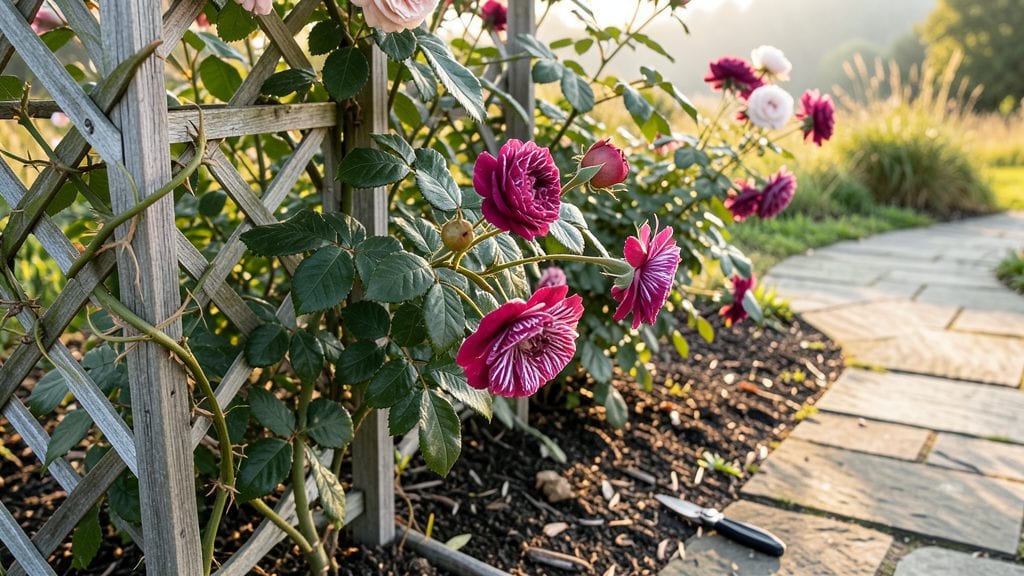
Creating a French cottage garden starts with abandoning rigid lines for a garden that feels like a storybook come to life. 🌿 I remember the first time I wandered through one—roses tumbling over stone walls, lavender swaying in the breeze, and delphiniums shooting up like skyward exclamation points.
It’s not just about flowers; it’s about layers of color, texture, and history woven into every corner.
The magic happens in the details: a mix of perennials and annuals ensures blooms from spring’s first crocus to late-fall asters. Rustic elements like old wooden gates, weathered pots, and climbing vines add character without needing a big space.
Even a small balcony can host a mini cottage garden with the right plant choices—think dwarf roses, trailing thyme, and fragrant herbs spilling over edges.
You’ll end up with a garden that smells like a summer afternoon and changes with the seasons. The scent of lavender in July, the golden glow of autumn leaves, and even the quiet beauty of frost-kissed stems in winter—each moment feels intentional.
The best part? It’s forgiving. Overlapping plants, slightly wild edges, and a dash of whimsy make this style impossible to mess up.
Whether you have a half-acre or a postage-stamp patio, the principles stay the same: soften edges, mix heights, and let plants do the talking. Start small—maybe a single border or a corner bed—and watch how it grows into something uniquely yours. The charm isn’t in perfection; it’s in the layers.
📚 In This Guide
- What you need
- Instructions
- Tips and common mistakes
- Wrapping up and next steps
What you need
- ● Seeds or young plants: A mix of vegetables (e.g., tomatoes, zucchini, carrots, lettuce), herbs (basil, thyme, rosemary), and flowers (nasturtiums, marigolds, pansies) for color and pollinators. Aim for 10-20 plants per 10 sq. ft..
- ● Soil: Well-draining, nutrient-rich soil (compost or organic matter mixed in). 2-3 cubic yards for a 10x10 ft. garden.
- ● Mulch: Straw or wood chips (1-2 inches thick) to retain moisture and suppress weeds.
- ● Trellises or stakes: For climbing plants like beans or peas (3-5 per 10 sq. ft.).
- ● Garden borders: Low stone walls, wooden edging, or metal strips to define paths and beds.
- ● Hand trowel (for planting small seeds)
- ● Garden fork (for aerating soil)
- ● Pruners (sharp, clean pair for trimming)
- ● Watering can or hose (with adjustable nozzle)
- ● Measuring tape (to plan spacing)
- ● Gloves (gardening or work gloves)
- ● Arbors or pergolas (for vertical charm)
- ● Old wooden crates or barrels (as rustic planters)
- ● Wind chimes or solar lights (for ambiance)
- ● French-inspired pottery (for a whimsical touch)
- ● Rain barrel (for eco-friendly watering)
Instructions for designing your own French cottage garden
Let's bring that dreamy, overflowing charm to life with simple layers and timeless plants.
🌱 Step 1: Plan Your Whimsical Layout in Layers
Start by sketching your space with three distinct layers: the backdrop (tall plants), the mid-height (shrubs and perennials), and the foreground (spillers like trailing flowers). I like to use a 4-foot tall trellis as my backdrop centerpiece—it instantly creates that classic French cottage feel while training climbing roses or clematis. Place it where you'll see it from your seating area.
For mid-height, group plants in odd-numbered clusters (3, 5, or 7) to create natural, organic groupings. Think lavender, peonies, and hydrangeas—these are the workhorses of cottage gardens. Leave 18-24 inches between clusters so they don't compete for space but still feel connected. The key is to let plants mingle naturally, not in rigid rows.
🌿 Step 2: Select Plants With Season-Long Interest
Choose plants that offer color, texture, and fragrance from early spring through frost. Start with spring bloomers like bleeding heart and pulmonaria for delicate foliage, then layer in summer stars like roses, delphiniums, and catmint. Don't forget fall favorites—sedum, asters, and ornamental grasses—to keep the garden vibrant as temperatures drop.
I always include at least one fragrant plant per section—lavender, roses, or jasmine—because scent is what makes cottage gardens feel alive. Mix evergreens like boxwood or hemlock for structure, and deciduous shrubs like hydrangeas for seasonal color shifts. Pro tip: Use native plants where possible—they're low-maintenance and attract pollinators.
☀️ Step 3: Create Pathways That Invite Exploration
Wind stepping stones or flagstone paths through your garden to encourage wandering. I like to use randomly placed stones (not straight lines) to keep the look natural. Leave 12-18 inches between stones so grass or low-growing plants can fill the gaps, making the paths feel organic rather than forced.
Edge the paths with low-growing perennials like creeping thyme or ajuga to soften the transition between hard and soft landscaping. Add small garden benches or birdbaths along the way—they break up space and give you places to pause and enjoy the view. If you're short on space, even a single wide stone can serve as a seating ledge.
✂️ Step 4: Add Whimsical Touches for Character
This is where the magic happens. Scatter old-fashioned garden ornaments like weathered urns, vintage tools, or painted pots throughout the space. I collect terracotta pots in mismatched sizes and fill them with geraniums or sweet alyssum—they spill over edges just like they would in a true French cottage garden.
Don't overlook vertical elements—hang wrought iron baskets from hooks on fences or trellises, and fill them with trailing nasturtiums or ferns. Add a small birdhouse or wind chime near a seating area to complete the scene. The goal is to make the garden feel lived-in and loved, not perfectly manicured.
🪴 Step 5: Maintain With a Light Touch
French cottage gardens thrive on minimal intervention. Water deeply once or twice a week (more in extreme heat), focusing on the base of plants rather than overhead. Let some leaves yellow or flowers fade—this adds to the garden's charm and supports pollinators. I mulch annually with 3-4 inches of shredded bark to retain moisture and suppress weeds.
Prune only to shape, not to keep plants bare. After flowering, trim back dead stems but leave some seed heads for winter interest. In early spring, cut back perennials to 6 inches and add a fresh layer of mulch. The less you fuss, the more the garden will flourish naturally—just like in a true French countryside garden.
Tips & tricks for perfect French cottage garden design
A few simple secrets that'll transform your garden into a charming, timeless retreat.
Layering Like a Pro: When planning your three layers in Step 1, I always start with the backdrop first. That 4-foot tall trellis should be your anchor point—place it where you'll see it from your favorite seating area. The mid-height clusters (3, 5, or 7 plants) should feel like they're naturally spilling toward the path, not arranged in perfect rows. Think of it like a painting: the tallest elements should draw your eye first, then guide it down to the spilling foreground plants.
Seasonal Plant Pairing: In Step 2, I recommend creating "flavor profiles" for each section. For spring, pair bleeding heart with pulmonaria for that delicate lace effect. In summer, combine roses with catmint—they complement each other beautifully and attract butterflies. For fall, sedum and ornamental grasses create stunning texture contrasts. The key is to have at least one fragrant plant per section—lavender or roses work wonders for that authentic cottage garden scent.
Pathway Design Secrets: For Step 3, don't be afraid to get creative with your 12-18 inch spacing between stepping stones. I like to create subtle curves in my paths to make the garden feel more inviting. When edging with creeping thyme, let it spill slightly onto the path—this creates that soft, lived-in look. And here's a pro tip: place your birdbaths or benches where they'll frame a particularly lovely view of your garden layers.
Whimsy with Purpose: In Step 4, the ornaments should tell a story. That weathered urn you found at a flea market? Place it near your roses. The vintage tools? Group them where you'll notice them from your kitchen window. For vertical elements, I recommend using wrought iron baskets with trailing nasturtiums—they add instant color and movement. And don't forget to vary the heights of your hanging plants for that authentic, slightly chaotic charm.
Pro Tips for French Cottage Gardens
- A few simple secrets that'll transform your garden into a charming, timeless retreat.
- Layering Like a Pro: When planning your three layers in Step 1, I always start with the backdrop first.
- Seasonal Plant Pairing: In Step 2, I recommend creating "flavor profiles" for each section.
Frequently asked questions
What’s the best time of year to plant a French cottage garden?
A French cottage garden thrives on layered planting, so start in early spring (March–April) for perennials, bulbs, and shrubs. For annuals, sow seeds in late spring (May–June) after the last frost. Pro tip: Mulch in fall to protect roots during winter—it’s key for that romantic, low-maintenance look!
Can I create a French cottage garden on a budget?
Focus on thrifted containers, heirloom seeds (swap with neighbors!), and self-seeding plants like cosmos or borage. Repurpose old trellises, pallets, or even wine bottles as whimsical accents. Start small with a single "wild" corner—it’ll still feel lush and intentional!
How do I keep my garden looking full without constant pruning?
French cottage gardens rely on textural layers—mix tall grasses (like ornamental wheat), spillers (petunias, lobelia), and fillers (pansies, violas). Deadhead only the spent blooms (not entire stems) to encourage reblooming. Let some foliage go to seed for next year’s magic!
Are French cottage gardens pest-prone? How do I deter bugs naturally?
They’re resilient! Plant companion pairs like marigolds (repel nematodes) or lavender (deters aphids). Encourage beneficial insects with bee balm or dill. Avoid chemicals—opt for neem oil or soapy water sprays for stubborn pests. A chaotic, diverse garden confuses pests naturally!
Can I incorporate vegetables into a French cottage garden?
Yes! Think edible flowers (nasturtiums, calendula) and low-maintenance veggies like herbs (rosemary, thyme), lettuce, or peas climbing a trellis. Stick to compact varieties (e.g., ‘Tom Thumb’ peas) to keep the whimsical vibe. Hide veggie patches behind ornamental grasses or roses for a seamless look!
Wrapping up and next steps
Creating a French cottage garden is all about embracing charm, spontaneity, and seasonal beauty—one whimsical layer at a time. 🌸 Whether you’re weaving in fragrant herbs, climbing roses, or rustic trellises, the key is to let nature guide your design while keeping it effortlessly inviting.
With the right mix of romantic plants and cozy touches, your garden will become a year-round sanctuary.
Ready to bring this dream to life? Start small—plant a few beloved varieties, sketch a simple layout, or even just add a vintage bench for that classic French flair. Every step, no matter how tiny, is a brushstroke in your garden’s masterpiece. À bientôt dans votre jardin! 🌿