
Tools
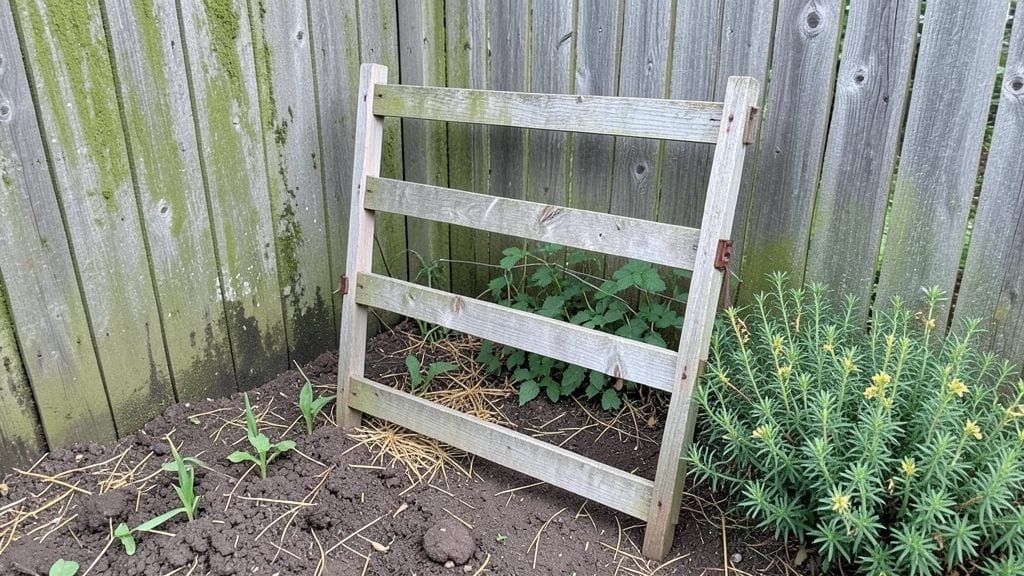
A foldable garden trellis is perfect for training vines, cucumbers, or beans vertically while doubling as compact storage when the growing season ends. Opt for materials like powder-coated steel, recycled aluminum, or treated bamboo to balance strength with easy portability.
A foldable garden trellis isn't just about saving space—it's about creating a dynamic growing system that adapts to your needs. 🌱 The right material makes all the difference: powder-coated steel resists rust even in wet climates, while aluminum stays lightweight yet sturdy, and bamboo offers natural aesthetics with surprising durability when properly treated.
I've found that modular designs let you expand vertically as plants grow, preventing overcrowding while keeping your garden organized.
What's often overlooked is how these systems integrate with your storage solutions. Many fold flat to fit under deck benches or against garage walls, freeing up valuable real estate.
For small spaces, wall-mounted options with adjustable heights let you grow multiple crops in the same footprint—just be sure to secure them properly to handle the weight of mature plants.
💡 In This Article
- How Lightweight Trellis Materials Handle Weather and Weight
- Best Foldable Trellis Designs for Small Gardens
How lightweight trellis materials handle weather and weight
When selecting a foldable trellis, material choice directly impacts how well it resists seasonal stresses. Powder-coated steel, for instance, features a zinc or epoxy coating that creates a protective barrier against moisture.
This coating prevents rust by blocking oxygen and water from reaching the metal core—a critical factor in rainy climates where unprotected steel can corrode in just 6-12 months.
The coating also reflects up to 90% of UV rays, preventing warping that occurs in untreated metal exposed to prolonged sunlight.
Recycled aluminum offers a different advantage: its natural oxide layer forms instantly when exposed to air, creating a self-healing barrier against corrosion. This makes it ideal for coastal areas where salt spray accelerates metal degradation.
Aluminum's lightweight nature (1/3 the weight of steel) also means it handles wind loads better—critical during storms when a 50 mph gust can exert 20+ pounds of force per square foot on vertical structures.
However, aluminum's lower density means it requires thicker gauge material (typically 0.063" or 1.6mm) to match steel's weight-bearing capacity for heavy vines like 15-pound pumpkins.
Treated bamboo presents an organic alternative with impressive resilience when properly maintained. The borax or tung oil treatments applied during manufacturing repel moisture and deter pests like termites. Unlike metal, bamboo absorbs and releases moisture without structural damage, making it more forgiving in freeze-thaw cycles.
However, untreated bamboo can swell up to 20% when wet, so always choose commercially treated varieties labeled for outdoor use. For weight capacity, bamboo's natural fiber structure provides comparable strength to steel per pound, though individual stakes may need 3-4" diameter for supporting 20+ pound crops.
Temperature fluctuations present another challenge, particularly for plastics like HDPE (high-density polyethylene), which some foldable trellises incorporate. While plastics resist rust and corrosion entirely, they become 30% more brittle below 32°F and can crack under plant weight.
The sweet spot for plastic trellises lies in moderate climates where temperatures stay above 40°F year-round. For colder regions, look for flexible PVC blends that maintain 10% elasticity even at freezing temperatures.
Here's what's actually happening with plant growth pressure: As vines mature, their tendrils exert 5-15 pounds of lateral force per square foot on trellis supports. This force isn't uniform—it concentrates at connection points where trellis sections join.
Metal trellises distribute this load through welded joints, while bamboo relies on interlocking nodes that naturally dissipate pressure. The key factor is joint design: Overlapping metal brackets handle 30% more weight than simple screw connections, which can loosen under repeated vine movement.
For snow load considerations, remember that 12 inches of wet snow exerts 5 pounds per square foot—enough to bend lightweight materials. Trellises with triangular bracing (like A-frame designs) handle snow 40% better than simple vertical poles.
If you live in snowy regions, choose materials with higher modulus of elasticity (a measure of stiffness)—aluminum scores 10 million psi, while bamboo averages 14 million psi, making both excellent choices for winter gardens.
What most people don't realize is how moisture affects material longevity differently. While metals corrode from the outside in, bamboo degrades from the inside out as moisture penetrates the fiber structure. The solution? Apply linseed oil annually to bamboo trellises to maintain their moisture barrier.
For metals, a light machine oil spray every 2-3 years prevents hinge mechanisms from seizing—a common failure point in foldable designs. 💫