
Tools
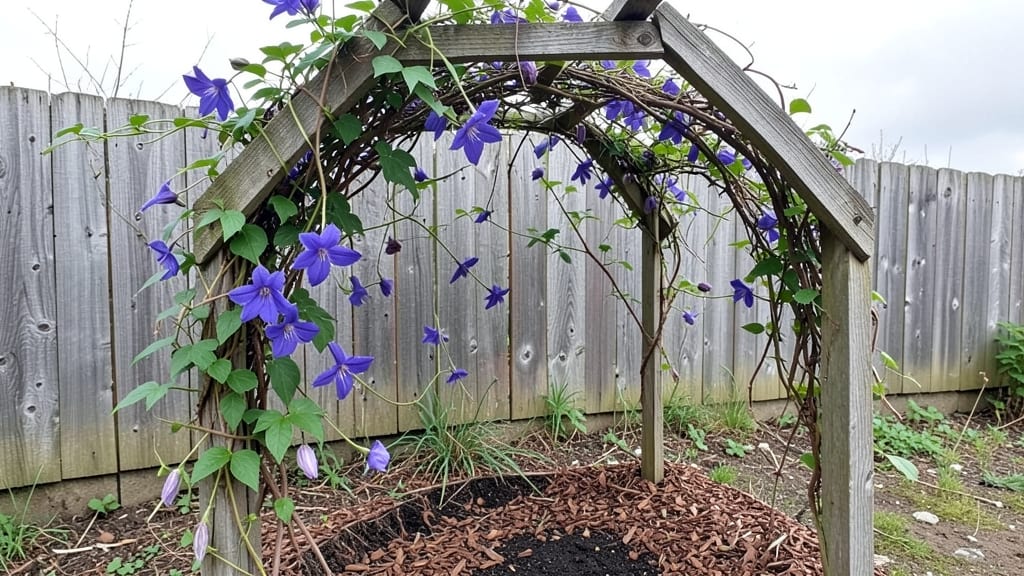
Creating a flower archway garden that feels like stepping into a storybook starts with the right structure and plants. I remember the first time I walked under my own arch—covered in roses and wisteria—and how it instantly transformed my garden’s entryway from ordinary to magical.
The key isn’t just the flowers; it’s the way they frame your path, creating a tunnel of color and scent that greets you every time you return home.
You’ll need a sturdy framework—wooden arches, metal trellises, or even repurposed gates—paired with climbing plants that thrive in your climate. Roses, clematis, and jasmine deliver that classic cottage charm, while bougainvillea or morning glories bring bold tropical vibes.
The best part? With the right mix, you’ll have blooms from spring through fall, and the arch will keep looking fresh with minimal upkeep. Think of it as your garden’s grand entrance, always in season.
By the time you’re done, you’ll have a whimsical entryway that doesn’t just look stunning but feels like a hug for your senses. The scent of roses in the morning, the way sunlight filters through petals in the afternoon—it’s the kind of detail that makes a garden feel alive.
Plus, it’s a project that grows with you: start small with one arch, then add more as your confidence (and garden space) expands.
Whether you’re going for rustic charm or sleek modern lines, the secret is layering plants and materials thoughtfully. Mix evergreens for structure with seasonal bloomers for color, and don’t forget to consider your local wildlife—they’ll thank you for the new habitat.
Here’s how to make it happen without the headaches most beginners face.
📚 In This Guide
- What you need
- Instructions
- Tips and common mistakes
- Wrapping up and next steps
What you need
- ● Floral stems: 20–30 fresh-cut flowers (e.g., roses, peonies, dahlias, or hydrangeas) or 10–15 potted flowering plants (e.g., clematis, wisteria, or climbing roses). Opt for seasonal blooms for year-round color!
- ● Greenery: 10–15 feet of vine-like foliage (e.g., ivy, eucalyptus, or ferns) for texture and volume.
- ● Floral wire or twine: 50–100 feet of 18–20-gauge floral wire or jute twine for securing stems.
- ● Floral foam or water-filled containers: 2–4 large, shallow containers (e.g., buckets or troughs) for hydration.
- ● Support structure: A sturdy arch frame (e.g., metal, wood, or PVC pipes) or pre-made garden arch (8–12 feet wide).
- ● Pruning shears or scissors: For trimming stems to the perfect length.
- ● Hammer or nails: To secure the arch frame to posts or stakes.
- ● Staple gun or zip ties: For attaching greenery and flowers to the frame.
- ● Spray bottle: To mist flowers and keep them fresh longer.
- ○ Optional: Solar-powered lights (for evening ambiance) or decorative ribbons for added charm!
Step-by-Step instructions for building a flower archway garden
Here’s how to create a charming, long-blooming archway that frames your entryway beautifully.
Choose the Perfect Location and Gather Supplies
Pick a spot where the archway will receive at least 6 hours of sunlight daily—most flowering plants thrive in full sun. Measure the space between support posts (usually 4-6 feet apart) and mark the ground where your archway will sit. I like to sketch a rough outline first to visualize the layout before digging.
Gather your supplies: two sturdy wooden posts (or metal pipes for durability), 4-6 feet of flexible arching material (like willow branches, metal hoops, or PVC pipes), landscape fabric, mulch, and your chosen flowering plants. For a whimsical look, I often mix climbers like clematis or roses with annuals like petunias or impatiens for instant color.
Install the Archway Frame and Secure Supports
Drive the two support posts into the ground at your marked locations, ensuring they’re plumb (straight up and down). Use a level to check alignment—this prevents the arch from sagging over time. For extra stability, bury the posts 1-2 feet deep or anchor them with concrete if your soil is loose.
Attach the arching material to the tops of the posts, bending it gently into a graceful curve. If using willow branches, weave them together for a natural look; for metal or PVC, secure with zip ties or wire. Leave 6-12 inches of space between the arch and the ground to allow for plant growth and easy maintenance.
Plant Climbing Flowers Along the Arch
Dig small holes along the base of the arch, spacing them 12-18 inches apart depending on plant size. Place each plant gently, ensuring roots spread evenly, then backfill with soil and pat lightly to remove air pockets. For a lush look, I plant a mix of fast-growing annuals (like nasturtiums) at the base and perennial climbers (like honeysuckle) along the arch.
Water deeply right after planting to help roots settle. Mulch around the base with 2-3 inches of organic mulch to retain moisture and suppress weeds. Avoid piling mulch against stems—keep it 2 inches away to prevent rot.
Train Vines and Maintain Season-Long Blooms
As vines grow, gently guide them along the arch using soft ties or twine. I avoid tight binding—just a loose loop every 6-8 inches to encourage upward growth. Prune leggy stems to encourage bushier, fuller blooms. For annuals, pinch back the tips early in the season to promote branching and more flowers.
Water the archway deeply 2-3 times per week, soaking the soil to 6 inches deep. Most flowering plants wilt slightly in the afternoon—this is normal, but if they stay droopy, they need more water. Fertilize lightly with a balanced, slow-release fertilizer every 4-6 weeks to keep blooms vibrant.
Extend the Display with Hanging Baskets and Accents
Add hanging baskets filled with trailing flowers like fuchsias or lobelia to soften the arch’s structure. Hang them 12-18 inches below the top of the arch for a cascading effect. I also tuck in seasonal accents like ornamental grasses or ivy to fill gaps and create texture.
To keep the archway looking fresh, deadhead spent blooms regularly—this encourages more flowers and prevents seed formation. In late fall, cut back annuals but leave perennials to return next season. With a little care, your archway will bloom beautifully for years.
Tips & tricks for perfect flower archway garden
A few simple strategies will help you create a stunning, long-lasting flower archway that stays vibrant all season.
Sunlight is Everything: The 6 hours of daily sunlight mentioned in Step 1 is non-negotiable for most flowering plants. If your location gets less, choose shade-tolerant varieties like fuchsias or impatiens instead of sun-lovers like clematis. I've found that morning sun with afternoon shade works well for many annuals, giving you more placement options.
Stability Matters: When securing your posts in Step 2, don't skip the 1-2 feet deep burial or concrete anchoring if your soil is loose. I learned this the hard way when a windstorm toppled my first archway because the posts weren't deep enough. For extra security, consider using metal pipes instead of wood—they won't rot and provide better support for heavy vines.
Plant Spacing Secrets: The 12-18 inch spacing in Step 3 might seem generous, but it's crucial for air circulation and preventing disease. I've noticed that plants spaced too closely compete for nutrients and often develop powdery mildew. For smaller plants like nasturtiums, stick to the 12-inch spacing, while larger climbers like honeysuckle can handle the full 18 inches.
Watering Wisdom: That 2-3 times per week watering in Step 4 needs to be deep—aim for those 6 inches of soil moisture. I've found that watering in the early morning gives plants time to absorb moisture before the heat of the day. If you notice leaves curling or wilting, it's usually a sign you need to water more frequently, especially during hot summer months.
Pro Tips for Flower Archway Garden
- A few simple strategies will help you create a stunning, long-lasting flower archway that stays vibrant all season.
- Sunlight is Everything: The 6 hours of daily sunlight mentioned in Step 1 is non-negotiable for most flowering plants.
- Stability Matters: When securing your posts in Step 2, don't skip the 1-2 feet deep burial or concrete anchoring if your soil is loose.
Frequently asked questions
Got questions about creating your dream flower archway garden? You’re not alone! Here are answers to the most common queries—from planning to maintenance—so you can dive in with confidence.
What’s the best time of year to plant a flower archway?
For most climates, late spring or early fall is ideal—when soil is warm but not scorching, and plants can establish roots before extreme weather. Pro tip: Check your local frost dates! Perennials planted in fall often bloom earlier the next season.
How much does a DIY flower archway cost compared to buying one pre-made?
DIY costs vary widely: $50–$300 for materials (trellises, plants, soil) vs. $200–$1,000+ for pre-built archways. Save money by sourcing secondhand trellises or propagating cuttings from existing plants. Budget hack: Start small with a single arch or use recycled wood for the frame!
Which flowers bloom all season long in a flower archway?
Layer plants for continuous color! Try clematis (spring–fall), roses (summer), wisteria (spring), and pansies (cool seasons). Annuals like petunias or impatiens fill gaps quickly. Design tip: Mix heights—tall climbers at the back, cascading flowers in front.
How do I keep pests (like aphids or slugs) off my flower archway?
Prevent pests with neem oil sprays, row covers, or companion planting (e.g., marigolds deter slugs). For slugs, set up beer traps or copper tape around the base. Troubleshoot: Inspect leaves daily—catch infestations early when they’re easier to treat!
Can I build a flower archway in a shady spot?
Yes! Opt for shade-tolerant plants like fuchsia, heuchera, or ivy. Use a metal or PVC frame (wood rots faster in dampness) and ensure good drainage. Light tip: Choose a north-facing arch to maximize indirect sunlight.
What if my archway looks sparse after the first year?
Don’t worry—many perennials take time to fill in! Prune leggy growth, add mulch to retain moisture, and top-dress with compost. Quick fix: Tuck in annuals like nasturtiums or begonias for instant color. Patience pays off—your arch will thrive!
Wrapping up and next steps
A flower archway garden isn’t just a stunning visual—it’s a celebration of nature’s beauty that welcomes you home with every passing season. Whether you’re a seasoned gardener or a beginner with a green thumb, this project brings joy, creativity, and a touch of magic to your outdoor space. 🌸
Ready to transform your entrance? Start small—sketch your design, gather your tools, and dive in! Before you know it, you’ll be basking in the pride of a blooming masterpiece that keeps giving all year long.