
Shrubs
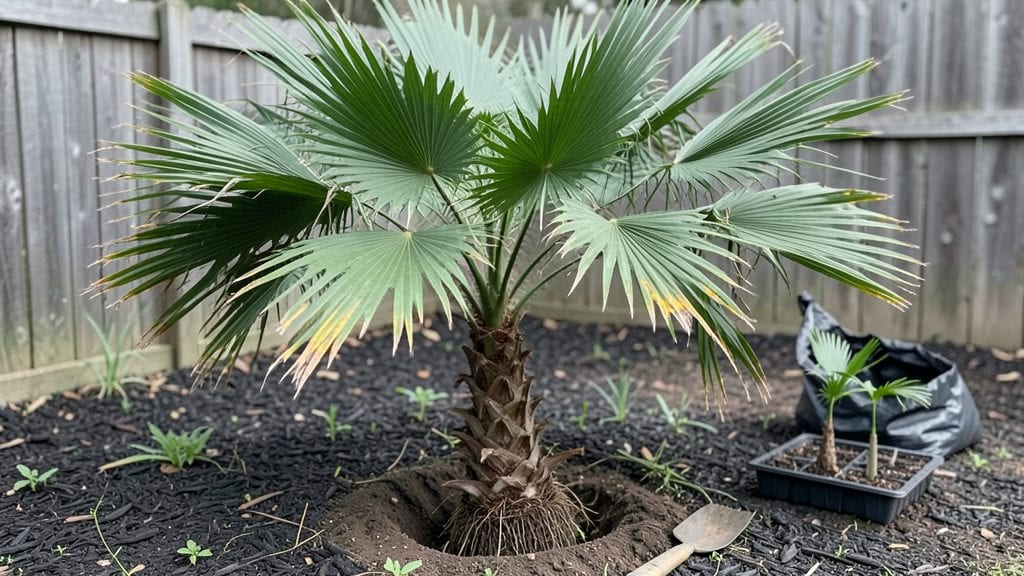
Creating a Florida Weave garden screen transforms your yard into a lush, private retreat that thrives year-round—no fences or chain-link required. I built mine after my neighbor’s poolside noise became unbearable, and now it’s a vibrant, wind-breaking wall that’s part art, part function.
The best part? It’s built from what nature provides, so maintenance is minimal once you get it right.
This three-layer system combines sturdy vertical posts with fast-growing vines and native plants like bamboo or palm fronds. You’ll need basic tools, some strong stakes, and a few hours on a sunny weekend.
The result? A living screen that filters sunlight, blocks wind, and even supports pollinators—all while looking like a tropical escape. No wonder Florida homeowners swear by it.
By summer, your screen will be thick with foliage, offering shade and privacy without sacrificing airflow. The vines climb quickly, so you’ll see results in just a few months.
Plus, it’s a project that scales: small sections for borders or full walls for privacy. Here’s how to make it happen without breaking the bank or your back.
Works in any Florida climate zone, from coastal humidity to inland heat. The key is choosing plants that thrive where you live—native species mean less watering and more resilience. Let’s get your screen growing!
📚 In This Guide
- What you need
- Instructions
- Tips and common mistakes
- Wrapping up and next steps
What you need
- ● Plants: 3–5 Ficus benjamina (Weeping Fig) – 1–2 ft tall, 10–15 plants total
- ● 3–5 Podocarpus macrophyllus (Maki or Japanese Yew) – 1–2 ft tall, 10–15 plants total
- ● 3–5 Schefflera arboricola (Schefflera or Umbrella Plant) – 1–2 ft tall, 10–15 plants total
- ● Soil: 10–15 bags of well-draining potting mix (or native Florida sandy loam amended with compost)
- ● Mulch: 5–10 bags of pine bark or cypress mulch (3–4 inches deep)
- ● Tools: Pruning shears or loppers (for trimming)
- ● Garden trowel or spade
- ● Measuring tape (for spacing)
- ● Gloves (to protect your hands)
- ● Watering can or hose with a gentle spray nozzle
- ● Support: Bamboo stakes or garden twine (for temporary support while plants establish)
- ○ Optional: Trellis or wire mesh (for added structure in windy areas)
- ● Slow-release fertilizer (for faster growth)
- ● Plant ties or soft garden twine (for securing young plants)
- ● Drip irrigation system (to automate watering)
- ● Edging material (like landscape fabric or bricks) to define the garden bed
- ● Decorative stones or mulch colors (for a polished look)
Instructions for creating a Florida Weave privacy screen in 3 layers
This method delivers lush, sun-loving privacy that thrives in Florida’s heat and humidity.
Plan and Prepare Your Planting Layout
Start by sketching your screen’s dimensions on graph paper, dividing it into three horizontal zones. The tallest plants—like Murraya paniculata—go in the back row, medium-height shrubs such as Ilex vomitoria in the middle, and low-growing ground covers like Asparagus densiflorus in the front. Measure your space and mark planting locations every 3-4 feet to ensure even coverage.
Florida’s clay soil drains poorly, so amend the area with 2-3 inches of compost mixed into the top 6 inches of soil. This improves root growth and prevents waterlogging. Test your soil’s pH—most Florida weave plants prefer a slightly acidic to neutral range (6.0-7.0). If your soil is too alkaline, add sulfur according to package instructions before planting.
Plant Tall Back Row Specimens
Dig holes twice as wide and just as deep as each plant’s root ball. Place the tallest shrubs—Murraya paniculata or Podocarpus macrophyllus—in the back row, spacing them 4-6 feet apart. Gently remove the plant from its container, loosen any circling roots with your fingers, and position it so the top of the root ball sits 1 inch above ground level. This prevents rot in heavy rains.
Backfill the hole with native soil, pressing lightly around the roots to eliminate air pockets. Water deeply until moisture reaches 6 inches down, then add a 2-inch layer of mulch around the base (but not touching the trunk). This conserves moisture and regulates soil temperature. Stake tall, leggy plants immediately to prevent wind damage during Florida’s frequent storms.
Add Middle-Layer Shrubs for Texture
Plant Ilex vomitoria or Nandina domestica in the middle row, spacing them 3-4 feet apart. These shrubs provide year-round structure and contrast with the taller back row. Dig holes the same way—wide and deep enough to accommodate roots without bending. If your plants arrive in pots, soak the root ball for 10-15 minutes before planting to reduce transplant shock.
Mix a handful of slow-release fertilizer into the backfill soil for each plant. Water thoroughly after planting, then apply a 3-inch layer of mulch to suppress weeds and retain moisture. Avoid piling mulch against stems, as this can trap moisture and cause rot. Prune any damaged branches now to encourage bushier growth.
Fill the Front with Low-Growing Ground Covers
Complete the screen with Asparagus densiflorus or Liriope muscari, planting them 18-24 inches apart in the front row. These plants spread quickly, filling gaps and preventing weeds. Dig shallow trenches (4-6 inches deep) rather than individual holes, as ground covers thrive when planted in rows. Space them closely to create an impenetrable barrier within 1-2 years.
Water lightly after planting to settle the soil, then reduce frequency as roots establish. These plants tolerate drought once established but need consistent moisture for the first 3-4 months. Avoid heavy foot traffic until they’re fully rooted—typically after 6-8 weeks.
Maintain Year-Round for Optimal Growth
Water deeply once a week during the first growing season, then taper to every 2-3 weeks once established. Florida’s humidity means most plants won’t need supplemental watering after the first year. Prune Murraya paniculata lightly in late winter to shape it, and trim Ilex vomitoria after flowering to encourage denser growth. Fertilize lightly in early spring with a balanced, slow-release formula to support new foliage.
Watch for scale insects on Murraya or leaf spot on Ilex—both are common in Florida. Treat with neem oil at the first sign of trouble. Mulch annually in late winter to replenish organic matter and suppress weeds. With this care, your Florida weave will grow into a dense, evergreen privacy screen within 2-3 years.
Tips & tricks for perfect Florida Weave gardening
Creating a lush Florida weave privacy screen takes patience, but these key strategies will help you achieve that dense, evergreen barrier faster and with fewer headaches.
Soil Prep is Everything: In Step 1, don't skip the 6-inch soil amendment with compost—this is non-negotiable for Florida's heavy clay. I've seen plants struggle for years when homeowners skip this step, thinking their plants will adapt. The key is working that compost into the top 6 inches, not just sprinkling it on top. For extra insurance, mix in a handful of perlite or sand to improve drainage, especially if your yard floods during heavy rains. This prevents root rot that can kill your screen before it even gets started.
Root Ball Placement Matters: When planting your Murraya paniculata or Podocarpus macrophyllus in Step 2, that 1-inch elevation above ground level is critical. I learned this the hard way—plants that sit too deep suffocate during Florida's summer downpours. Use a level to check each plant's position, and never mound soil against the trunk. For the middle row shrubs, that 10-15 minute soak before planting makes all the difference in transplant shock prevention. I've seen Nandina plants wilt dramatically when skipped.
Mulching Strategy for Florida: The mulch layers in Steps 2 and 3 serve two purposes beyond weed suppression. That 2-inch layer around tall plants regulates soil temperature, preventing heat stress in summer and cold damage in winter. For the 3-inch layer in the middle row, use pine straw or cypress mulch—these break down slowly and add organic matter. Keep mulch 2-3 inches away from stems to prevent rot, and never let it pile up against trunks. I've seen entire plants die from this common mistake.
Ground Cover Spacing Secret: For the front row in Step 4, plant your Asparagus densiflorus or Liriope muscari at the closer end of the 18-24 inch range. These plants spread aggressively and will fill in quickly. The trenches should be just 4-6 inches deep—any deeper and you'll hit the compacted clay layer that roots can't penetrate. Water lightly after planting to settle the soil, but don't overdo it—they need time to establish roots before heavy watering.
Pro Tips for Florida Weave Gardening
- Creating a lush Florida weave privacy screen takes patience, but these key strategies will help you achieve that dense, evergreen barrier faster and with fewer headaches.
- Soil Prep is Everything: In Step 1, don't skip the 6-inch soil amendment with compost—this is non-negotiable for Florida's heavy clay.
- Root Ball Placement Matters: When planting your Murraya paniculata or Podocarpus macrophyllus in Step 2, that 1-inch elevation above ground level is critical.
Frequently asked questions
Got questions about Florida Weave gardening?
You’re not alone! Here are some of the most common queries—and straightforward answers—to help you create a lush, year-round privacy screen with ease.
What’s the best time of year to plant Florida Weave shrubs?
Plant your Florida Weave shrubs in early spring or fall when temperatures are mild (60–75°F). Avoid extreme heat or cold, as young plants need time to establish roots. If you’re in Florida’s humid climate, fall planting is ideal—just water deeply after planting to reduce transplant shock!
Can I use Florida Weave for hedges and privacy screens?
Florida Weave shrubs like Murraya paniculata (Orange Jasmine) or Podocarpus macrophyllus (Japanese Yew) thrive as both hedges and privacy screens. For hedges, prune them into a neat shape (2–3 feet tall). For screens, let them grow taller (6–10 feet) and layer them for density.
Why is my Florida Weave turning yellow or dropping leaves?
Yellowing leaves or leaf drop often signal overwatering, underwatering, or nutrient deficiencies. Check soil moisture—Florida’s sandy soil drains fast, so water deeply 2–3 times per week in dry spells. If leaves are crispy, it’s thirsty; if mushy, it’s soggy. A balanced fertilizer in spring can also help!
Does Florida Weave need full sun, or can it handle shade?
Most Florida Weave plants prefer full sun to partial shade (4–6 hours of sunlight daily). While they tolerate light shade, growth may slow, and foliage could thin out. For shady spots, choose shade-tolerant varieties like Podocarpus or Nandina domestica (Heavenly Bamboo) for best results.
Are there cheaper alternatives to Florida Weave shrubs?
Yes! Consider native or low-maintenance options like Ligustrum (Privet), Ilex (Holly), or Buxus (Boxwood) for budget-friendly privacy. For a Florida-friendly twist, try Myrtle (Murraya) or Coontie Palm—they’re hardy, fast-growing, and often more affordable than exotic imports.
Wrapping up and next steps
Florida Weave gardening is your ticket to a lush, low-maintenance privacy screen that thrives in Florida’s climate—no matter the season! 🌿 By combining native shrubs, vines, and ground covers in three dynamic layers, you’ll create a vibrant, functional barrier that’s both beautiful and resilient. Whether you’re a seasoned gardener or just starting out, this approach makes it easy to transform your yard into a thriving, year-round sanctuary.
Ready to take the next step? Start small—pick one layer to plant this weekend, or sketch your design before gathering materials. Your future privacy oasis is just a few clippings and a shovel away! 🌱