Advice
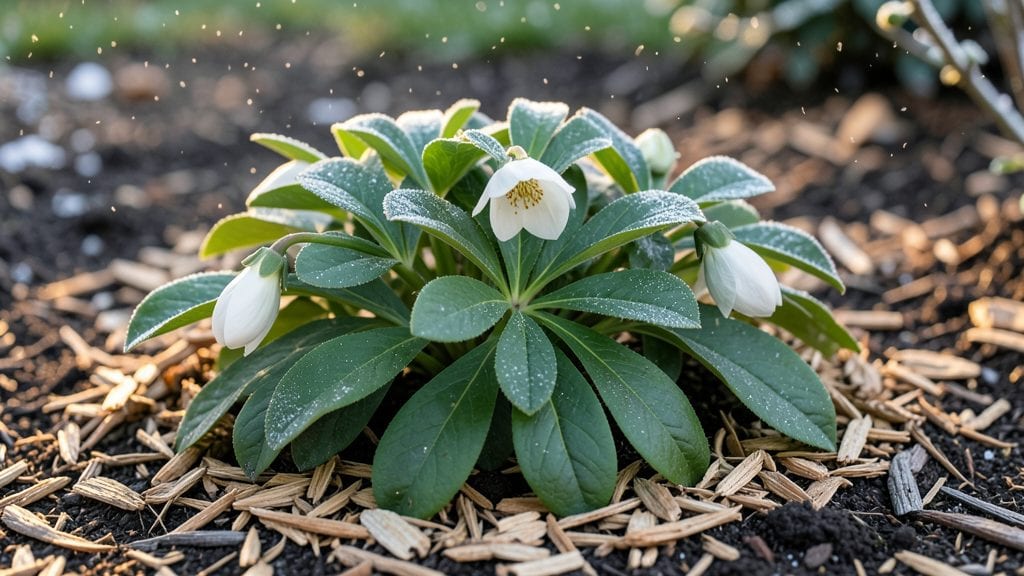
February gardening tasks aren’t about waiting—they’re about setting the stage for spring’s biggest show. 🌱 After years of killing seedlings by rushing, I’ve learned this month’s quiet work pays off with bold growth by May.
The soil’s still cold, but hardy crops like peas and spinach thrive in these chilly weeks, while dormant perennials reveal their true shape after winter’s disguise.
Start with a simple checklist: prune back dead growth from perennials, test your soil’s pH if you haven’t in a year, and order seeds for March starts. You’ll need basic tools—a trowel, pruners, and a soil thermometer—plus a notebook to track what worked last year.
Even in cold zones, February’s tasks keep the garden humming without breaking a sweat.
By month’s end, you’ll have a plot ready for spring planting, with soil loosened and nutrients prepped for hungry young roots. The air smells sharper after a frost, and the first tender shoots of cold-hardy greens will reward your patience.
This is the month that turns winter’s rest into spring’s promise.
Whether you’re in Zone 5 or 8, adjust timing by watching for soil temps above 40°F—that’s your cue to plant. Indoor seed starts for tomatoes and peppers can begin now, too, under grow lights. Let’s get those gloves on and make February count.
📚 In This Guide
- What you need
- Instructions
- Tips and common mistakes
- Wrapping up and next steps
What you need
- ● Cold-hardy seeds: Choose varieties like peas, spinach, kale, lettuce, or radishes (packets or bulk bags). Aim for 2–3 lbs depending on your garden size.
- ● Compost or organic fertilizer: A 5–10 gallon bag of well-aged compost or a balanced fertilizer (e.g., 10-10-10) to enrich soil.
- ● Mulch: Straw or shredded leaves (2–3 cubic feet) to insulate soil and retain moisture.
- ● Row covers or frost cloth: Lightweight fabric (enough to cover raised beds or small plots) to protect tender plants.
- ● Hand trowel: A sturdy, 6–8 inch model for digging small holes or transplanting seedlings.
- ● Garden fork: Heavy-duty (12–18 inch) for aerating soil or turning compost.
- ● Pruners: Sharp, bypass-style pruners for trimming dead foliage or harvesting.
- ● Gloves: A pair of waterproof, reinforced gloves to protect hands from cold and thorns.
- ● Watering can or hose with nozzle: A 1–2 gallon can for precise watering or a hose with a gentle spray setting.
- ● Seedling trays: Biodegradable pots (72-cell trays) for starting indoor seedlings if you’re ahead of the game.
- ● Soil thermometer: To monitor ground temperature ($10–$15) for optimal planting times.
- ● Cold frame or mini greenhouse: A portable setup to extend the growing season for delicate plants.
- ● Knee pad or stool: For comfort during long prep sessions.
Step-by-Step February gardening tasks for cold-hardy planting
February is your chance to jumpstart the season—here’s how to prep soil and plant hardy crops before spring.
🌱 Step 1: Test and Amend Your Soil
Start by testing your soil’s pH and nutrient levels—most garden centers offer quick kits. February’s cool temps mean soil is workable without the summer heat. Aim for a pH of 6.0-7.0 for most vegetables and a slightly acidic mix for blueberries or azaleas. If your soil is heavy clay, mix in 2-3 inches of compost from your list to improve drainage and fertility.
I like to spread a thin layer of compost over the garden bed first, then lightly scratch it into the top 2 inches of soil with a rake. This loosens the earth without disturbing any overwintering plants. If your soil feels compacted, work in 1-2 inches of coarse sand to break up clay particles—just don’t overdo it, or you’ll wash away nutrients.
⏰ Step 2: Plant Cold-Hardy Vegetables and Perennials
February is perfect for direct-sowing broccoli, cabbage, peas, and spinach—these thrive in cooler weather. Plant seeds ½ inch deep in well-drained soil, spacing them 1-2 inches apart for vegetables and 12-18 inches apart for perennials like lavender or asparagus. Cover lightly with soil and water gently to avoid displacing seeds.
If frost is forecasted within a week, protect young seedlings with row covers or frost cloth. I’ve learned the hard way—skipping this step can mean lost plants overnight. For perennials, plant them 2-3 weeks before your last frost date so roots establish before warmer weather arrives.
☀️ Step 3: Prune and Protect Established Plants
Prune dead or diseased branches from shrubs like roses, hydrangeas, and fruit trees—this prevents pests and diseases from spreading when new growth starts. Use clean, sharp pruners to make cuts just above a bud or outward-facing leaf. Avoid heavy pruning of spring-flowering shrubs (like lilacs) until after they bloom.
Wrap young tree trunks with tree guards to protect them from voles and rabbits. I’ve seen too many promising saplings chewed to the ground in early spring. If you have tender perennials in pots, move them to a sheltered spot or cover them with burlap or frost cloth during hard freezes.
💧 Step 4: Plan and Prepare New Garden Beds
Mark out new garden beds with stakes or string to visualize your layout. February’s cool weather makes digging easier, so break up old soil with a broadfork or shovel, turning it over to a depth of 8-12 inches. Remove any weeds or debris—this is your chance to start fresh before planting season kicks in.
If you’re adding raised beds, fill them now with a mix of topsoil, compost, and peat moss (if your soil is sandy). Level the surface with a rake, then water deeply to settle the soil. I like to add a 1-inch layer of mulch afterward to retain moisture and suppress weeds—just don’t let it touch plant stems.
Tips & tricks for perfect February gardening prep
February's cool weather gives you the perfect head start—here's how to make the most of it without common gardening mistakes.
Soil Prep Pro Tip: In Step 1, when testing your soil's pH, remember that February's cooler temps mean you can work the soil without worrying about summer heat stress. I've found that adding 1 inch of compost first creates a sponge-like layer that holds moisture better than mixing it in deeply. This is especially helpful if you're working with heavy clay soil—just be gentle with that top 2 inches to avoid disturbing overwintering plants.
Planting Timing Secret: For Step 2, when planting those cold-hardy vegetables like broccoli and spinach, aim to get seeds in the ground 2-3 weeks before your last frost date—this gives roots time to establish before warmer weather arrives. I've learned that spacing seeds 1-2 inches apart gives them room to grow without overcrowding, which can lead to disease. If frost is forecasted, don't skip the row covers—those delicate seedlings can't handle sudden freezes!
Equipment Wisdom: When preparing new garden beds in Step 4, a broadfork is your best friend for turning soil to 8-12 inches deep without compacting it. I like to use it first, then work in compost and sand with a regular shovel. For raised beds, mix topsoil, compost, and peat moss thoroughly—this creates a perfect balance of nutrients and drainage. And remember, that 1-inch layer of mulch after planting helps retain moisture without smothering your plants.
Pruning Precision: In Step 3, when pruning established plants, always use clean, sharp pruners to make cuts just above a bud or outward-facing leaf. I've made the mistake of using dull shears, which can crush stems and invite disease. For spring-flowering shrubs like lilacs, hold off on heavy pruning until after they bloom—this ensures you don't cut off next year's flowers!
Pro Tips for February Gardening Tasks
- February's cool weather gives you the perfect head start—here's how to make the most of it without common gardening mistakes.
- Soil Prep Pro Tip: In Step 1, when testing your soil's pH, remember that February's cooler temps mean you can work the soil without worrying about summer heat stress.
- I've learned that spacing seeds 1-2 inches apart gives them room to grow without overcrowding, which can lead to disease.
Frequently asked questions
Got questions about February gardening? You’re not alone!
Here are answers to the most common concerns—from timing to troubleshooting—so you can tackle your garden tasks with confidence.
Can I plant anything in February, or is it too early?
February is perfect for cold-hardy crops like peas, spinach, kale, and broccoli, especially in warmer climates (Zones 7-10). In colder regions (Zones 3-6), wait until after the last frost or stick to bare-root plants (e.g., fruit trees, shrubs) and soil prep. Check your USDA Plant Hardiness Zone for local guidance!
What if we get an unexpected frost or freeze?
Don’t panic! Cover tender seedlings with frost cloth or old blankets at night and remove them during the day. For container plants, move them to a sheltered spot (like a garage or under an eave). Hardy perennials (e.g., lavender, Russian sage) usually bounce back—just avoid planting delicate annuals until temperatures stabilize.
Should I fertilize in February, or is it better to wait?
Lightly amend soil with compost or organic matter now to boost nutrients before spring planting. Avoid heavy fertilizers (like synthetic nitrogen) until you see new growth—too much can burn roots in cold soil. Slow-release options (e.g., worm castings, bone meal) are ideal for early prep.
How do I know if my soil is ready for planting?
Test soil moisture: Grab a handful—if it crumbles easily, it’s ready. If it stays clumpy, wait a week or two. For a quick check, dig a 6-inch hole; if the soil is cool but workable (not icy), you’re good. Pro tip: Mix in sand or perlite if your soil feels too dense.
What tools should I have ready for February tasks?
Essentials include:
- Garden fork – For turning soil without damaging roots.
- Pruners – To trim dead branches from perennials.
- Gloves & layers – Cold hands = missed tasks!
- Soil thermometer – Helps gauge planting readiness.
Wrapping up and next steps
February may still feel chilly, but it’s the perfect time to set the stage for a thriving garden!
From planting cold-hardy veggies to prepping soil and protecting tender plants, these tasks ensure your spring harvest will be bountiful. 🌱❄️ Don’t let the cold weather slow you down—small steps now lead to big rewards later.
Ready to roll up your sleeves? Start with one task this weekend—whether it’s sowing seeds, testing your soil, or planning your layout. Your future garden will thank you!