
Tools
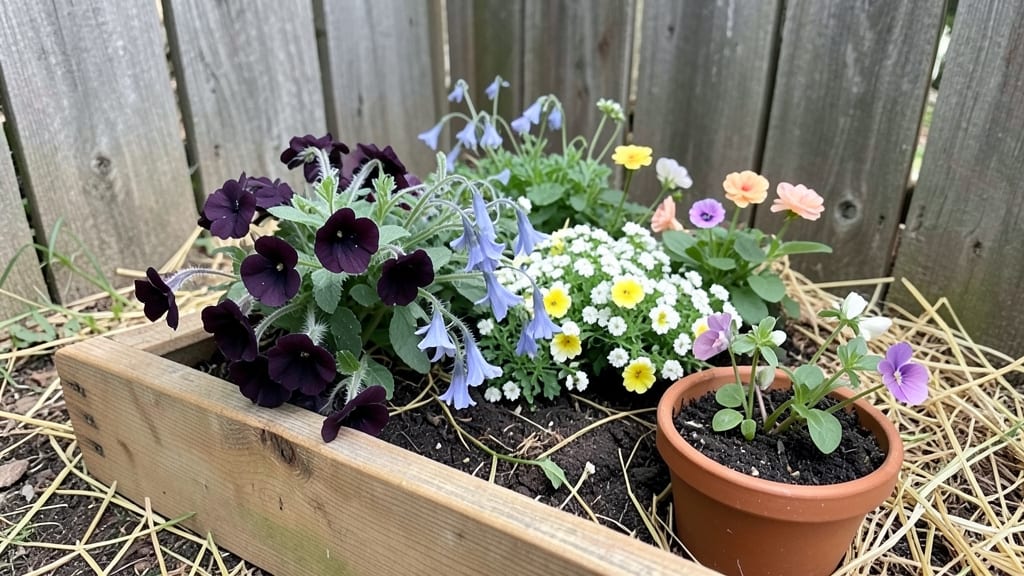
Fairy garden seeds transform a simple container into a magical micro-world where every inch counts. 🌿 I’ve designed my own tiny gardens for years, and the secret lies in choosing plants that stay small, grow slowly, and love the cozy, shaded conditions of a fairy haven.
These aren’t just seeds—they’re the foundation of a living storybook scene.
The right dwarf varieties make all the difference. Think miniature roses that stay under 6 inches, tiny succulents like hens-and-chicks, or delicate ferns that thrive in damp corners. Pair them with slow-growing mosses and ornamental grasses to create layers that feel alive, not crowded.
A 6-inch-wide pot can become a forest, a 12-inch tray a meadow—it’s all about the plants.
Imagine a garden where lavender-blue lobelia spills over tiny bridges, tiny daisies peek out from under toadstool figurines, and miniature boxwood forms perfect little hedges. The key is shade-tolerant picks that won’t outgrow their space in a season.
With the right seeds, your fairy garden stays enchanting year after year, not just for a summer.
Ready to bring it to life? Start with a container, a handful of these pint-sized plants, and let your creativity run wild. The best part? Every fairy garden tells a different story—yours is waiting to begin.
📚 In This Guide
- What you need
- Instructions
- Tips and common mistakes
- Wrapping up and next steps
What you need
- ● Fairy Garden Seeds: Dwarf or miniature plant varieties (e.g., Thyme, Miniature Roses, Dwarf Lavender, Fairy Moss, or Tiny Ferns). Aim for 5–10 seeds per plant type to ensure good germination.
- ○ Pre-sprouted seeds or seedlings (optional but saves time!).
- ● Containers: Small pots (4–6 inches wide) or a fairy garden tray (12x12 inches or larger).
- ● Drainage holes are a must to prevent root rot.
- ● Soil: Well-draining potting mix (avoid heavy garden soil).
- ● Perlite or sand (1 part per 3 parts soil) for extra aeration.
- ● Tools: Small hand trowel or miniature gardening tools (for delicate planting).
- ● Spray bottle (for gentle watering).
- ● Measuring cup (for soil and amendments).
- ● Decorative elements: Pebbles, moss, tiny rocks, or fairy figurines.
- ● Miniature garden stakes or labels (for tracking your fairy garden seeds).
- ● Slow-release fertilizer (for a nutrient boost).
- ● LED fairy lights (to add magic at night!).
Step-by-step guide to cultivating fairy garden seeds
Here’s how to coax enchanting miniature plants from seed—perfect for tiny containers.
🌱 Step 1: Select and Prepare Your Dwarf Varieties
Choose dwarf or miniature varieties of plants like thyme, parsley, or snapdragons—these stay small enough for fairy gardens. I always opt for heirloom seeds because they’re more compact and often more resilient. Soak your seeds overnight in lukewarm water to soften the outer coating and speed up germination. This is especially helpful for tiny seeds that might otherwise take weeks to sprout.
Use a fine-mesh strainer to drain excess water without losing seeds. Pat them dry gently with a paper towel—damp seeds can rot if planted too wet. This step ensures your fairy garden starts with the best possible foundation.
🪴 Step 2: Fill Containers with Lightweight Soil Mix
Fill your 4-inch diameter containers with a sterile seed-starting mix—never garden soil, as it compacts and suffocates delicate roots. I blend mine with 20% perlite to improve drainage and prevent soggy soil, which is a common killer of fairy garden plants. Leave about ½ inch of space at the top for watering.
Press the mix down lightly with your fingers until it’s firm but not packed. You want it dense enough to support tiny stems but loose enough for roots to penetrate easily. A flat surface ensures seeds won’t sink too deep during planting.
💧 Step 3: Plant Seeds at the Correct Depth
Sow seeds ¼ inch deep—any deeper, and they’ll struggle to reach the surface. Use a toothpick to create small holes; it’s precise and won’t disturb the soil like your fingers might. Place 1-2 seeds per container to avoid overcrowding. If you’re planting snapdragons, which are larger, space them 1 inch apart—they’ll stay small but need room to grow.
Cover the seeds lightly with a sprinkle of additional mix, then mist the surface with a spray bottle until evenly damp. Avoid soaking—fairy garden plants hate soggy conditions. A fine mist ensures seeds stay in place without washing away.
☀️ Step 4: Provide Warmth and Gentle Light
Place your containers in a warm, bright spot—ideally 70-75°F for germination. A seedling heat mat works wonders if your home runs cooler. Keep the soil consistently moist (but not wet) by checking daily. You’ll see first sprouts in 7-14 days, depending on the variety.
Once seedlings emerge, move them to bright, indirect light—direct sun can scorch tiny leaves. If using a grow light, position it 4 inches above the plants and adjust as they grow. Watch for first true leaves (not the initial cotyledons)—this is your cue to thin seedlings if needed.
✂️ Step 5: Maintain and Prune for Compact Growth
Thin seedlings to one per container when they’re 2 inches tall, using clean scissors to snip at soil level. This prevents competition and keeps plants miniature-sized. Pinch back leggy growth by 1 inch to encourage bushier, fairy-sized foliage.
Water at the base using a spray bottle—fairy gardens dry out fast. Fertilize lightly every 4-6 weeks with a diluted liquid fertilizer (½ strength). You’ll know your fairy garden is thriving when plants stay under 6 inches tall and leaves remain vibrant.
Tips & tricks for perfect fairy garden seeds
Fairy gardens thrive on precision—these little details make all the difference between a charming miniature landscape and a sad, stunted disappointment.
Seed Selection Wisdom: When choosing your dwarf varieties, look for labels that specify "miniature" or "compact" growth habits. Snapdragons labeled "dwarf" will stay under 6 inches, while regular varieties can easily outgrow your containers. I always check seed packets for the mature height—this is the single most important factor for fairy garden success. For extra insurance, cross-reference with trusted seed catalogs that specialize in miniature varieties.
Soaking Technique: The overnight soaking in lukewarm water isn't just about speeding up germination—it's about preparing seeds for their tiny containers. I've found that heirloom seeds benefit most from this treatment, as their harder outer coatings often need this extra step. After soaking, the fine-mesh strainer becomes your best friend—it lets you drain water completely without losing any precious seeds. Pro tip: Use a paper towel to blot seeds dry rather than patting, as this prevents crushing the delicate seed coats.
Soil Mix Secrets: That 20% perlite isn't just for drainage—it creates the perfect air pockets that fairy garden roots need to breathe. I recommend mixing your sterile seed-starting soil with perlite right in the container before planting, rather than pre-mixing. This ensures even distribution and prevents compaction when you press down the soil. For containers larger than 4 inches, increase the perlite to 30% to prevent waterlogging, which is especially critical for snapdragons that dislike soggy roots.
Lighting Strategy: The 4-inch distance for grow lights might seem arbitrary, but it's based on the delicate balance between providing enough light without scorching tiny seedlings. I've learned this the hard way—when I moved my lights too close, my fairy garden plants developed crispy edges. For best results, adjust the light height every week as your plants grow. And remember, bright indirect light is your goal—direct sun can turn fairy garden leaves into crispy brown leaves faster than you can say "Tinkerbell's tears."
Pro Tips for Fairy Garden Seeds
- Fairy gardens thrive on precision—these little details make all the difference between a charming miniature landscape and a sad, stunted disappointment.
- Seed Selection Wisdom: When choosing your dwarf varieties, look for labels that specify "miniature" or "compact" growth habits.
- Soaking Technique: The overnight soaking in lukewarm water isn't just about speeding up germination—it's about preparing seeds for their tiny containers.
Frequently asked questions
Got questions about creating your own fairy garden seeds? You’re not alone! Here are some of the most common queries—plus quick, practical answers to help you grow a magical mini garden with confidence.
What are the best dwarf seeds for fairy gardens?
Look for compact, slow-growing varieties like dwarf sunflowers, miniature roses, or tiny tomatoes (e.g., 'Tiny Tim' or 'Micro Tom'). Herbs like thyme or oregano also thrive in small spaces. Always check seed packets for "dwarf" or "miniature" labels—these are bred to stay small!
How long does it take for fairy garden seeds to sprout?
Sprouting times vary! Most dwarf seeds appear in 7–14 days if kept warm (70–75°F) and moist. Cold-hardy varieties (like pansies) may take longer. Pro tip: Use a seed-starting mat or place pots in a sunny windowsill to speed things up.
Do fairy garden plants need special watering?
Yes! Tiny containers dry out fast. Water gently from the bottom (place pots in a tray of water for 10–15 mins) to avoid disturbing soil. Use a spray bottle for delicate seedlings. Mulch with pebbles or moss to retain moisture—just don’t let roots suffocate!
Can I use regular garden soil for fairy garden seeds?
Not ideal! Regular soil is too heavy and may lack drainage. Mix potting soil with perlite or vermiculite (50/50 ratio) for lightweight, airy roots. Add a handful of compost for nutrients. Avoid garden soil—it can compact and suffocate tiny plants.
How do I keep pests away from my fairy garden?
Pests like aphids or slugs love mini gardens! Prevent them with:
- Neem oil spray (natural repellent)
- Diatomaceous earth (sprinkle lightly around edges)
- Handpick pests early (use tweezers for precision!)
What if my seeds don’t grow?
Don’t panic! Common fixes:
- Check moisture: Soil should feel damp but not soggy.
- Verify light: Most dwarf seeds need 6+ hours of sunlight daily.
- Test depth: Plant seeds at 2–3x their width (check packet guidelines).
- Try again: Some seeds (like poppies) need a cold period—stratify them in the fridge for 2 weeks before planting.
Wrapping up and next steps
Creating a fairy garden with dwarf seeds is a magical way to bring nature’s charm into tiny spaces! Whether you’re a beginner or a seasoned gardener, these low-maintenance plants will flourish in containers, offering endless creativity and joy. 🌱✨
Now that you’re armed with the best fairy garden seeds and tips, it’s time to get planting! Start small—pick a container, gather your tools, and let your imagination run wild.
Before you know it, you’ll have a whimsical, thriving miniature world to enjoy (and maybe even share with friends!). Happy gardening!