
Advice
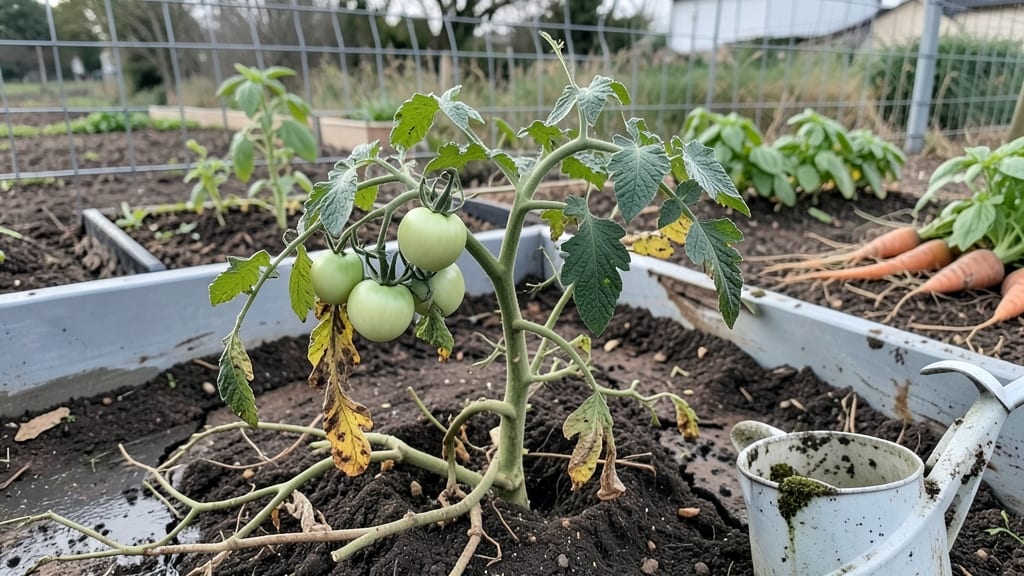
The disadvantages of raised bed gardening include higher initial material costs, faster soil drying from exposure, and restricted root growth in shallow beds. Managing weeds becomes trickier over time, and maintaining nutrient-rich soil requires more frequent attention.
While raised beds offer excellent drainage and weed suppression, their elevated design means soil loses moisture faster—especially in hot climates. 💫 This forces gardeners to water more often or invest in irrigation systems, which adds ongoing costs.
Shallow beds also limit deep-rooted plants like potatoes or carrots, forcing you to either choose smaller varieties or supplement with in-ground planting. The good news? With proper mulching and organic amendments, you can mitigate many of these challenges while still enjoying the benefits of raised beds.
Another key factor is maintenance—unlike in-ground gardens, you can't simply till or amend the entire soil volume. This means adding compost or fertilizer becomes a more deliberate process, often requiring layering or top-dressing.
Over time, this can become labor-intensive if you're growing heavy feeders like tomatoes or peppers. That said, the trade-offs are worth it for many, especially those with poor native soil or mobility limitations.
💡 In This Article
- How Raised Beds Affect Soil Moisture and Fertility
- Cost and Space Trade-Offs in Raised Garden Beds
How raised beds affect soil moisture and fertility
Raised beds lose moisture at a rate 20-30% faster than in-ground soil because their exposed sides and bottoms accelerate evaporation. The lack of surrounding earth means no natural moisture retention from capillary action—water simply escapes through the wood slats or drainage holes.
This is especially problematic in sandy soils, where moisture evaporates within 2-3 hours after watering, compared to 6-8 hours in clay-heavy ground. 💫
The science behind this involves soil structure: in-ground soil benefits from a natural moisture gradient, with deeper layers acting as a reservoir. Raised beds, however, behave more like potted plants—limited volume means water can't migrate downward efficiently.
For example, a 6-inch-deep raised bed may dry out completely in one sunny afternoon, while in-ground soil at the same depth retains moisture for days. This forces frequent watering or mulching with 3-4 inches of organic matter to slow evaporation.
Fertility depletion happens faster too because the contained soil volume lacks the microbial diversity of undisturbed ground. Organic matter breaks down 15-20% quicker in raised beds due to increased oxygen exposure and temperature fluctuations.
For instance, compost added to a raised bed may lose half its nitrogen content in 3 months versus 6 months in-ground, requiring more frequent amendments. Heavy feeders like tomatoes or corn can exhaust nutrients in just one growing season without proper supplementation.
Plant water needs vary dramatically: drought-tolerant herbs like rosemary thrive in raised beds' drier conditions, while leafy greens (spinach, lettuce) wilt within 4 hours without consistent moisture. Root crops like carrots struggle in shallow beds (12 inches deep), where their taproots can't penetrate fully.
The solution? Layer coarse sand at the bottom for drainage while reserving the top 6 inches for nutrient-rich compost—this mimics the natural soil profile but with intentional control. 🌱
Another hidden factor is soil compaction: raised beds never develop the natural structure of tilled ground, making them more prone to crusting after rain. This creates a barrier that prevents air and water from reaching roots.
For example, a 1-inch surface crust can reduce water infiltration by 40%, forcing you to water more gently or use a rain breaker to maintain even moisture. The trade-off? Less compaction means roots spread wider, compensating for limited depth.
To combat these issues, many gardeners use hydrogel crystals or peat moss mixes to boost water retention, but these require careful balancing—too much can suffocate roots. The key is monitoring soil moisture at 2-inch depths daily during hot spells.
For fertility, rotating crops annually and adding 2-3 inches of compost every spring can extend productivity, though it demands more planning than in-ground gardens. 💧