
Advice
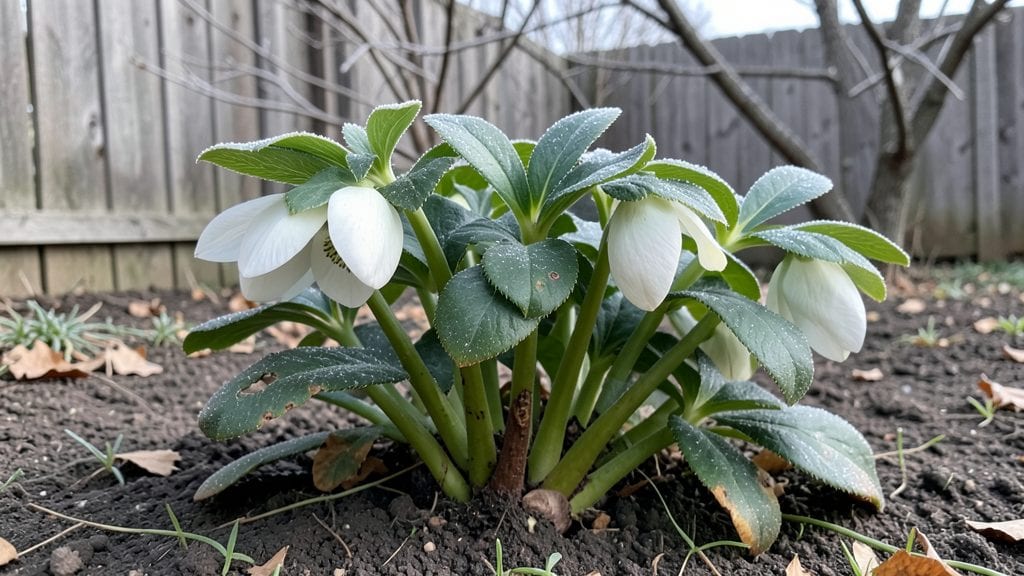
December isn’t a gardening dead zone—it’s when your cold-hardy perennials shine brightest. ✨ I’ve learned the hard way that winter isn’t a break but a chance to set up next year’s success while harvesting what’s still thriving.
The key? Choosing the right plants that keep producing even when temperatures drop below freezing.
Think winter greens like kale and spinach, hardy herbs such as rosemary and thyme, and evergreen shrubs that add structure to your landscape. These plants don’t just survive—they thrive, giving you fresh harvests when most gardens are dormant.
Plus, their textures and colors make winter landscapes feel alive instead of bare.
By the time spring rolls around, you’ll have a head start on growth, fewer weeds to battle, and plants that are already established. The secret is simple: protect what’s out there, plan your early sowings, and let winter’s quiet beauty work in your favor.
Let’s make this December your most productive yet.
Whether you’re working with raised beds, containers, or in-ground plots, these strategies adapt easily. The goal isn’t just survival—it’s turning winter into your garden’s most rewarding season. Here’s how to make it happen.
📚 In This Guide
- What you need
- Instructions
- Tips and common mistakes
- Wrapping up and next steps
What you need
- ● Cold-hardy perennial plants: Choose from options like kale, Swiss chard, winter lettuce, spinach, hardy herbs (thyme, rosemary, oregano), and ornamental grasses. Aim for 3–5 plants per variety for a balanced garden.
- ● Organic compost or slow-release fertilizer: 5–10 lbs to enrich soil and support root growth.
- ● Mulch (straw, shredded leaves, or wood chips): 2–3 inches thick to insulate roots and retain moisture.
- ● Garden soil or potting mix: 1–2 cubic yards (or enough to fill raised beds/containers). Opt for well-draining, organic-rich soil.
- ● Row covers or frost cloth: 1–2 sheets (4’x6’ or larger) to protect tender plants from frost.
- ● Garden trowel or hand shovel (for planting and soil prep).
- ● Pruners or shears (for trimming dead foliage or harvesting).
- ● Garden gloves (waterproof for winter comfort).
- ● Watering can or hose with a gentle spray nozzle (avoid heavy watering to prevent soil erosion).
- ○ Raised bed frames or containers (optional, for better drainage and control).
- ○ Thermometer (optional) to monitor soil temps (ideal: 40–60°F for planting).
- ● ✅ Sunlight assessment: Identify 4+ hours of daily sun (even in winter) for optimal growth.
- ● ✅ Weather check: Plant after the first hard frost (or use row covers if planting earlier).
- ○ ✅ Soil test (optional but recommended): Ensure pH is 6.0–7.0 for most perennials.
- ● ✅ Local frost dates: Research your USDA Hardiness Zone to pick the right varieties.
Step-by-Step instructions for creating a December garden
Here's how to keep your garden productive even when frost is in the air.
🌿 Step 1: Select Cold-Hardy Perennials for Winter Harvest
Choose plants that thrive in 25-35°F temperatures like kale, Swiss chard, and winter spinach. These leafy greens not only survive but taste sweeter after frost. I always include hardy herbs like rosemary and thyme—they stay fragrant and productive even when snow is on the ground.
For flowers, consider pansies and violas—they bloom cheerfully in winter's chill. These plants need 4-6 hours of sunlight daily, so position them where they'll catch the weak winter sun. If your space gets heavy shade, opt for winter aconite or hellebores, which tolerate lower light conditions.
🪴 Step 2: Prepare the Soil for Winter Planting
Amend your soil with 2-3 inches of compost before planting to improve drainage and provide nutrients. Cold soil drains poorly, so I always work in perlite or coarse sand to prevent waterlogging. Test your soil's moisture level—it should feel like a damp sponge, not a soggy rag.
For container gardens, use a lightweight potting mix designed for cold climates. I swear by mixes labeled "winter vegetable blend" because they're formulated to prevent compaction. Add a slow-release fertilizer at half the recommended rate—plants grow slowly in winter, so you don't want to overfeed.
✂️ Step 3: Plant and Mulch for Winter Protection
Space plants 12-18 inches apart to allow airflow, which prevents fungal diseases that thrive in damp winter conditions. Plant slightly deeper than you would in summer—about 1-2 inches lower—to give roots extra insulation from cold ground.
Cover the soil with 3-4 inches of straw mulch to insulate roots and retain moisture. I always leave a small gap around stems to prevent rot. For extra protection, add a layer of bubble wrap or frost cloth over containers—it creates a microclimate that keeps roots from freezing while allowing light through.
💧 Step 4: Water and Maintain Through Winter
Water only when the soil feels dry 1 inch below the surface. Winter rains often provide enough moisture, so I check weekly rather than sticking to a schedule. Overwatering in cold weather leads to root rot, which is harder to detect under mulch.
Monitor for pests like aphids or slugs—both thrive in winter's damp conditions. I use a strong spray of water to dislodge aphids and set out beer traps for slugs. Prune dead or damaged leaves regularly to keep plants healthy and encourage new growth.
☀️ Step 5: Plan for Spring Transition
Start seeds indoors for spring planting in late February. Cold frames or low tunnels over winter crops extend the season by 4-6 weeks. I always mark my calendar to remove winter protection in early March when daytime temperatures consistently reach 45°F.
Take notes on what thrived and what struggled—this helps refine next year's winter garden. For example, I learned that my kale needed more mulch after a particularly harsh January. Small adjustments make a big difference in winter gardening success.
Tips & tricks for perfect December garden
A few key strategies that'll help you maintain a thriving garden when frost is in the air.
Temperature Matters: When selecting plants for your December garden, remember that the 25-35°F range is ideal for cold-hardy varieties like kale and Swiss chard. These plants actually improve in flavor after frost, but they need protection from hard freezes below 25°F. I've learned that adding a layer of frost cloth over containers creates a microclimate that can raise temperatures by 5-10°F during cold snaps. This extra insulation can mean the difference between thriving plants and frozen ones.
Soil Preparation Secret: The 2-3 inches of compost in Step 2 is non-negotiable for winter gardening. Cold soil compacts easily, which restricts root growth. I always mix in perlite or coarse sand to improve drainage - this prevents waterlogging that can lead to root rot. For container gardens, use a winter vegetable blend mix that's specifically formulated to prevent compaction. Trust me on this: skipping this step means your plants will struggle to establish roots in winter's chilly conditions.
Planting Depth Technique: In Step 3, planting 1-2 inches deeper than summer planting gives roots vital protection from cold ground temperatures. I've found that this extra depth can make the difference between plants that survive winter and those that freeze back. For container plants, this means burying them slightly deeper in the pot or adding extra soil around the base. The key is to maintain that 3-4 inches of straw mulch on top while ensuring stems stay clear to prevent rot.
Spring Transition Strategy: The 4-6 weeks extension from cold frames mentioned in Step 5 is one of my favorite winter gardening hacks. I always mark my calendar to remove winter protection in early March when daytime temps hit 45°F consistently. This gradual transition prevents shock to plants that have been protected all winter. For extra insurance, I start seeds indoors in late February using a heat mat to give them a head start before transplanting into the garden.
Pro Tips for December Garden
- A few key strategies that'll help you maintain a thriving garden when frost is in the air.
- Temperature Matters: When selecting plants for your December garden, remember that the 25-35°F range is ideal for cold-hardy varieties like kale and Swiss chard.
- Soil Preparation Secret: The 2-3 inches of compost in Step 2 is non-negotiable for winter gardening.
Frequently asked questions
Got questions about keeping your garden thriving in December?
You’re not alone! Here are answers to the most common queries about cold-hardy perennials and year-round harvests.
Can I still plant perennials in December?
Yes! Many cold-hardy perennials like kale, spinach, and winter lettuce can be planted in December in mild climates (Zones 7-10). For colder regions (Zones 3-6), opt for late fall planting—just ensure soil isn’t frozen. Pro tip: Use row covers or cold frames to extend the season!
How do I protect my December garden from frost?
Use frost blankets, mulch (straw or leaves), or low tunnels to shield tender perennials. Avoid overhead watering at night—it can freeze and damage plants. Bonus: Evergreens like rosemary and thyme act as natural windbreaks!
What’s the best December harvest schedule?
Focus on hardy greens (kale, Swiss chard) and root veggies (carrots, beets). Harvest leafy greens in the morning for peak freshness. Remember: December’s short days mean slower growth—prioritize low-maintenance perennials!
Can I replace summer perennials with winter varieties?
Swap heat-loving plants (like tomatoes) for cold-tolerant ones (e.g., winter radishes, garlic). Clear out spent summer crops and amend soil with compost for a fresh start.
What if my December garden looks bare or dormant?
Dormancy is normal! Perennials like asparagus and rhubarb rest underground. Focus on pruning dead foliage (but wait until spring for major cuts) and plan next year’s layout. Silver lining: It’s the perfect time to sketch garden upgrades!
Wrapping up and next steps
December doesn’t have to mean the end of your gardening dreams—cold-hardy perennials prove that fresh harvests and vibrant greenery can thrive year-round! 🌱 By embracing frost-resistant plants, you’ve taken a bold step toward sustainable, low-maintenance gardening that keeps giving even in winter’s chill.
Now’s the perfect time to reflect on your progress and plan ahead—whether that means expanding your winter garden, experimenting with new varieties, or simply enjoying the quiet beauty of your hardy plants. Ready to take it further? Try sharing your December garden wins with fellow green thumbs or sketching next season’s layout over a cozy cup of tea! 🍃