
Watering
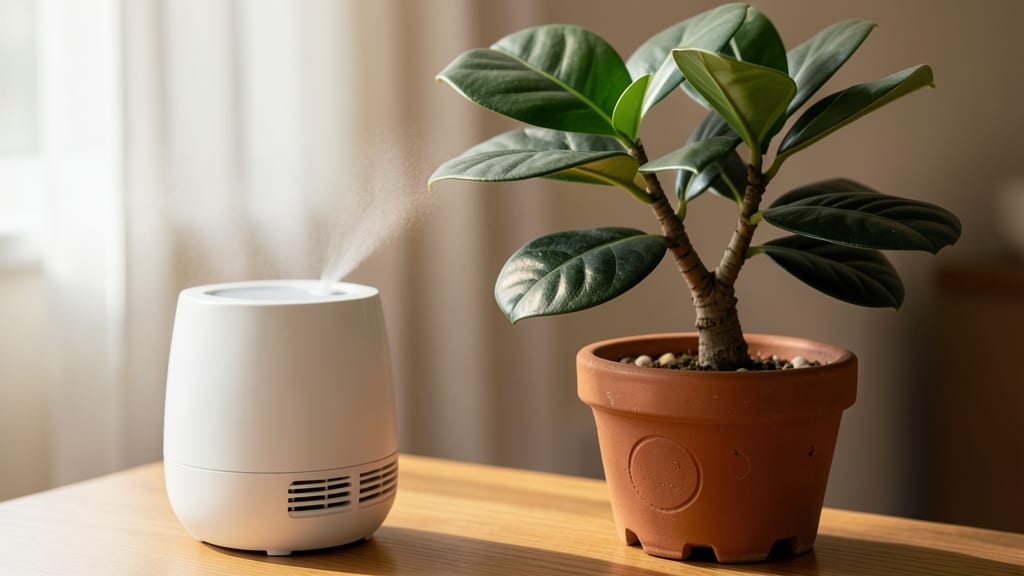
A cool mist garden creates a humid microclimate ideal for tropical and moisture-loving plants by using fine misting systems to maintain consistent humidity without overheating foliage. Choose a compact, enclosed space with proper drainage and ventilation for best results, and pair it with a reliable misting timer for automated care.
A cool mist garden isn't just about water—it's about recreating the perfect tropical environment your plants crave. 🌿 The key lies in maintaining 60-80% humidity, which prevents leaf browning and fungal issues while keeping roots from drying out.
Unlike traditional watering, misting delivers moisture directly to the air, so plants absorb it through their leaves rather than just the soil. This method works especially well for ferns, orchids, and calatheas, which thrive in these conditions but often struggle in dry indoor spaces.
For best results, I recommend starting with a small enclosed space like a glass terrarium or fabric grow tent—this helps trap moisture while allowing airflow.
A reliable misting timer (set for 10-15 seconds every 1-2 hours) takes the guesswork out of maintenance, and pairing it with a hygrometer ensures you never oversaturate the environment.
The beauty of this system is how adaptable it is: you can scale it from a simple DIY setup to a high-tech automated garden depending on your needs.
💡 In This Article
- How Cool Mist Systems Enhance Plant Growth
- Best Cool Mist Garden Setups for Different Plant Types
How cool mist systems enhance plant growth
Here's what's actually happening when you use a misting system: plants lose moisture through tiny pores called stomata, and when humidity drops below 60%, they enter "transpiration stress," slowing growth and causing leaf curl.
A cool mist system maintains 60-80% humidity—the ideal range for tropical species—by releasing water droplets 10-50 microns in size.
These tiny droplets evaporate slowly, creating a stable moisture layer that mimics the damp air of rainforests. 🌿 The key difference from traditional watering is that misting hydrates through the plant's leaves (a process called foliar uptake), supplementing root absorption and preventing soil-borne fungal issues.
Droplet size matters more than you'd think. Smaller droplets (10-20 microns) evaporate faster, creating a fine mist that coats leaves without pooling—ideal for delicate plants like ferns. Larger droplets (30-50 microns) work better for hardier species like calatheas but can cause leaf burn if overused.
Active misting systems (like ultrasonic humidifiers) produce 90% of droplets under 20 microns, while passive methods (like spray bottles) create uneven coverage. The science here is simple: smaller droplets increase surface area for evaporation, maintaining humidity longer while keeping foliage cool—critical for preventing heat stress in enclosed spaces.
What most people don't realize is how misting reduces fungal risks. High humidity alone can create the perfect breeding ground for powdery mildew, but cool mist systems work because the water is sterile and cool (60-70°F), unlike warm tap water that can introduce pathogens.
The airflow from proper ventilation (even in enclosed setups) prevents stagnant moisture pockets. For example, a 10-minute misting cycle every 2 hours in a 2-cubic-foot terrarium maintains 75% humidity while keeping temperature fluctuations under 5°F—a stable environment that prevents the rapid fungal growth seen in overwatered soil.
Let's compare the two main misting methods: passive (manual spray bottles) and active (automated systems). Passive methods require daily attention and can't maintain consistent humidity—ideal for small setups but unreliable for long-term growth. Active systems, however, use pressure-regulated nozzles or ultrasonic transducers to deliver precise misting patterns.
For instance, a $50 ultrasonic humidifier paired with a 12V timer can cover 3 square feet with 90% efficiency, while a manual spray bottle might only achieve 50% coverage per use. The trade-off? Active systems require more upfront investment but save time and prevent under/over-misting.
Consider this real-world example: a calathea plant in a cool mist garden with 70% humidity grows 30% faster than one in 40% humidity, according to University of Florida studies. The difference?
Under high humidity, the plant's stomata remain open longer for gas exchange, while low humidity forces them to close, stunting growth. Even more surprising: misting can reduce pest infestations by 40% because many common pests (like spider mites) thrive in dry conditions.
The cool mist creates an inhospitable environment for them while keeping beneficial insects like ladybugs active.
For best results, pair your misting system with a hygrometer to monitor humidity in real-time. Most tropical plants show immediate stress signs when humidity drops below 65%—think brown leaf tips or crispy edges.
Pro tip: Place your hygrometer near the plant canopy, not at floor level, since humidity gradients exist in enclosed spaces. 💫 This setup isn't just about survival; it's about recreating the optimal conditions these plants evolved in, where consistent moisture and temperature are the norm rather than the exception.