
Container Gardens
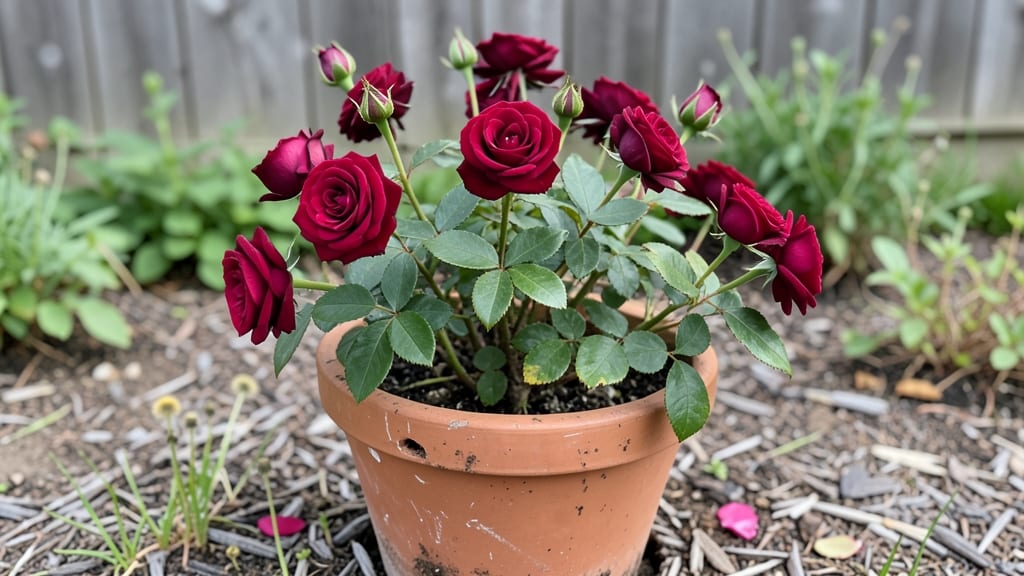
Growing roses in containers lets you enjoy those velvety blooms even on a tiny balcony or patio. 🌹 I’ve turned my 8-foot deck into a fragrant rose garden using dwarf varieties, and the results are shockingly lush—just as vibrant as full-size roses, but without the sprawling roots or constant pruning.
The key is choosing the right plants and containers from the start, which makes all the difference between a thriving display and a sad, leggy mess.
The secret isn’t expensive pots or fancy soil—it’s matching your rose to its home. Dwarf or patio roses like ‘The Fairy’ or ‘Playboy’ stay compact in 5-gallon containers, while climbers need 10-gallon pots with sturdy trellises.
Use a well-draining mix of 50% potting soil, 30% perlite, and 20% compost, and place them where they’ll get at least 6 hours of sunlight daily. Overcrowding is the fastest way to invite pests and disease, so give each plant room to breathe.
By midsummer, you’ll be snipping fresh blooms that smell like a cottage garden, and the plants will keep producing with the right care. Prune spent blooms regularly, feed with a balanced rose fertilizer every 4-6 weeks, and water deeply when the top inch of soil feels dry.
The payoff? Roses that outperform their in-ground cousins because you control their environment—no more struggling with soil quality or pests.
Works for urban apartments, fire escapes, or even sunny windowsills with the right light. Here’s how to set it up without the common pitfalls that kill container roses every season.
📚 In This Guide
- What you need
- Instructions
- Tips and common mistakes
- Wrapping up and next steps
What you need
- ● Container: At least 2-3 gallons per rose bush (5+ gallons for climbing varieties). Use durable, well-draining pots with drainage holes (terracotta, plastic, or fabric grow bags).
- ● Roses: Choose container-friendly varieties like ‘Knock Out,’ ‘Fairy,’ or ‘Mini-Flora.’ Buy bare-root or potted roses from a nursery.
- ● Potting Mix: 60% high-quality potting soil + 30% perlite or pumice (for drainage) + 10% compost or organic fertilizer (like worm castings).
- ● Drainage Layer: 2–3 inches of gravel, pebbles, or broken pottery at the container’s bottom.
- ● Fertilizer: Slow-release rose fertilizer (e.g., Osmocote) or liquid organic feed (fish emulsion or seaweed extract).
- ● Mulch: 2–3 inches of bark chips or straw to retain moisture and regulate temperature.
- ● Hand trowel or small shovel for planting.
- ● Garden gloves to protect your hands.
- ● Watering can with a rose or spray nozzle for gentle hydration.
- ● Pruning shears (sterilized) for shaping and maintenance.
- ● pH testing kit (ideal range: 6.0–6.5 for roses).
- ● Support stakes or cages (for climbing roses).
- ● ✅ Sunlight: 6–8+ hours of direct sun daily (roses are sun-worshippers!).
- ● ✅ Location: Place containers where they can be moved if needed (e.g., balconies, patios, or decks).
- ● ✅ Water Access: Containers dry out fast—plan for daily watering in hot weather.
- ● ✅ Patience: Roses may take 1–2 seasons to reach full bloom potential.
Step-by-step instructions for container gardening roses
Here's how to grow roses in containers with the same vigor as in-ground plants—just use these precise techniques.
🪴 Step 1: Select the Right Containers and Drainage
Roses need at least 18-inch-deep pots for each plant, with multiple drainage holes—no exceptions. I use glazed ceramic or heavy plastic containers because they retain moisture without overheating roots in summer. Place a 2-inch layer of gravel or broken pottery at the bottom to prevent soil from clogging the holes.
For four roses, you’ll need four 18-inch pots (or two 24-inch pots for two roses each). Avoid shallow containers—they dry out too fast and stunt root growth. If your pots lack drainage, drill ¼-inch holes along the bottom edge. Cover them with landscape fabric to keep soil in while allowing water to escape.
🌱 Step 2: Use High-Quality Soil and Amendments
Fill each pot with a custom mix of 50% premium potting soil, 30% perlite or pumice, and 20% compost. This blend drains well but holds moisture—critical for roses. I add a handful of slow-release rose fertilizer (10-10-10 or 5-10-5) to the bottom layer before adding soil.
Mix the materials thoroughly until the soil looks dark, fluffy, and slightly gritty. Avoid garden soil—it compacts in containers and suffocates roots. Leave 2 inches of space between the soil surface and the pot’s rim for watering. Press the mix lightly to remove air pockets, but don’t compact it.
☀️ Step 3: Plant Roses at the Right Depth and Stake Early
Remove the rose from its nursery pot and loosen the roots if they’re circling. Plant it so the graft union (the swollen bump near the base) sits 1-2 inches below the soil line. This protects it from heat stress and encourages stronger growth. Fill the pot with soil, pressing gently to eliminate gaps.
Insert a 5-foot bamboo stake into each pot immediately after planting. Roses grow top-heavy, and containers can tip easily. Tie the main stem to the stake with soft garden twine, leaving 2 inches of slack for growth. Water deeply until water runs out the drainage holes, then let excess drain away.
💧 Step 4: Water and Fertilize for Consistent Blooms
Water roses every 2-3 days in summer, checking that the top 2 inches of soil feel dry before watering. In winter, reduce to once a week unless temperatures drop below 40°F. I use a watering can with a narrow spout to direct moisture to the roots, avoiding wet foliage, which causes disease.
Fertilize every 4 weeks during growing season (April–September) with a balanced rose fertilizer. In late summer, switch to a low-nitrogen, high-phosphorus formula to encourage fall blooms. Prune spent blooms immediately to redirect energy into new flowers—this keeps roses bushy and productive.
✂️ Step 5: Prune and Overwinter for Next Year’s Growth
In early spring, prune back one-third of the plant’s height, cutting just above an outward-facing bud. Remove dead, crossing, or weak branches first. This encourages stronger branching and more blooms. Sterilize pruners with rubbing alcohol between cuts to prevent disease spread.
For winter, move pots to a protected location (like a garage or under eaves) where temperatures stay above 20°F. Reduce watering to once a month and wrap the pot in burlap to insulate roots. In late winter, resume watering and fertilizing as growth resumes—your roses will reward you with earlier, more abundant blooms next season.
Tips & tricks for thriving container roses
A few key strategies will help you avoid the most common container rose pitfalls and keep your plants blooming beautifully all season long.
Container Size Matters: The 18-inch depth requirement isn't just arbitrary—it gives roots room to establish without becoming root-bound. If you're tempted to use smaller pots for space-saving, remember that roses in containers grow more slowly than in-ground plants. I've seen roses in 12-inch pots struggle to bloom properly, while the same variety thrives in 18-inch containers. For your four roses, stick with the recommended size, but if space is critical, consider using the larger 24-inch pots for two roses each—they'll share root space without competing.
Soil Mix Secrets: That 50-30-20 soil blend (potting soil/perlite/compost) is your foundation for success. The perlite creates air pockets that prevent root rot, while the compost provides essential nutrients. Here's what I've learned: always mix your amendments thoroughly until the soil looks uniformly dark and fluffy. I once skipped this step and ended up with pockets of pure perlite that created dry spots where roots couldn't establish. Also, that 2-inch space at the top isn't just for watering—it prevents soil from spilling when you water, which is especially important when you're watering every 2-3 days in summer.
Graft Union Protection: Planting the graft union 1-2 inches below soil line might seem counterintuitive, but it's crucial for container roses. The graft union is where the rose's top growth is attached to its hardy rootstock. In containers, this area is more exposed to temperature fluctuations. I've seen many container gardeners plant with the union at soil level, only to watch their roses develop weak growth or even die back. The extra depth insulates the union from heat stress during summer and cold snaps in spring/fall. Just be careful not to bury it deeper—this can cause the rose to produce suckers from the rootstock.
Winter Prep Strategy: Moving pots to a protected location above 20°F is essential, but don't stop there. I've found that wrapping the pots in burlap and adding an extra layer of insulation (like bubble wrap) around the outside helps maintain more stable temperatures. The key is to prevent rapid temperature swings that can shock the roots. Also, when you resume watering in late winter, do it gradually—start with just enough to moisten the soil, then increase as new growth appears. This prevents the sudden shock that can occur when you go from monthly watering to full summer watering schedules.
Pro Tips for Container Gardening Roses
- A few key strategies will help you avoid the most common container rose pitfalls and keep your plants blooming beautifully all season long.
- Container Size Matters: The 18-inch depth requirement isn't just arbitrary—it gives roots room to establish without becoming root-bound.
- Soil Mix Secrets: That 50-30-20 soil blend (potting soil/perlite/compost) is your foundation for success.
Frequently asked questions
Got questions about growing roses in containers? You’re not alone! Here are answers to the most common concerns to help you cultivate stunning blooms with confidence.
What’s the best container size for roses?
Opt for containers at least 12–18 inches deep and wide—larger is better! Roses need room for roots to spread and drain well. Five-gallon pots or bigger work great, especially for climbing varieties. Pro tip: Add drainage holes if your container doesn’t have them!
When is the best time to plant container roses?
Plant in early spring or fall when temperatures are mild (50–70°F). Avoid extreme heat or cold, which stress roots. Bare-root roses can go in as soon as soil is workable, while potted roses thrive with established root systems. Bonus: Container roses can bloom year-round in warm climates!
How often should I water container-grown roses?
Water deeply 2–3 times a week (daily in heatwaves). Containers dry out fast—check soil moisture 1–2 inches down. Mulch helps retain moisture, and morning watering prevents fungal issues. Yellow leaves? Often a sign of overwatering!
Can I grow roses in containers year-round?
Yes! With care: Move containers indoors (garage, sunroom) in winter if temps drop below 20°F. Choose cold-hardy varieties like ‘Knock Out’ or ‘Dr. Huey’, and reduce watering. Alternative: Overwinter potted roses in a protected spot with frost cloth.
How do I keep pests and diseases away?
Prevent issues with regular pruning (deadhead spent blooms!) and neem oil sprays for aphids. Ensure airflow by spacing plants 12–18 inches apart. Black spots? Treat with fungicide and avoid overhead watering. Prevention is key!
Wrapping up and next steps
Container gardening roses isn’t just possible—it’s a rewarding way to enjoy fragrant blooms even in tight spaces! 🌹 With the right container size, soil mix, and sunlight exposure, you can cultivate stunning roses that thrive year after year.
Whether you’re a beginner or a seasoned gardener, the key is patience, consistency, and a little creativity.
Ready to dive in? Start by choosing your rose variety and gathering your supplies—then get planting! Share your progress or ask questions in the comments below. Happy gardening! 🌱