Planting
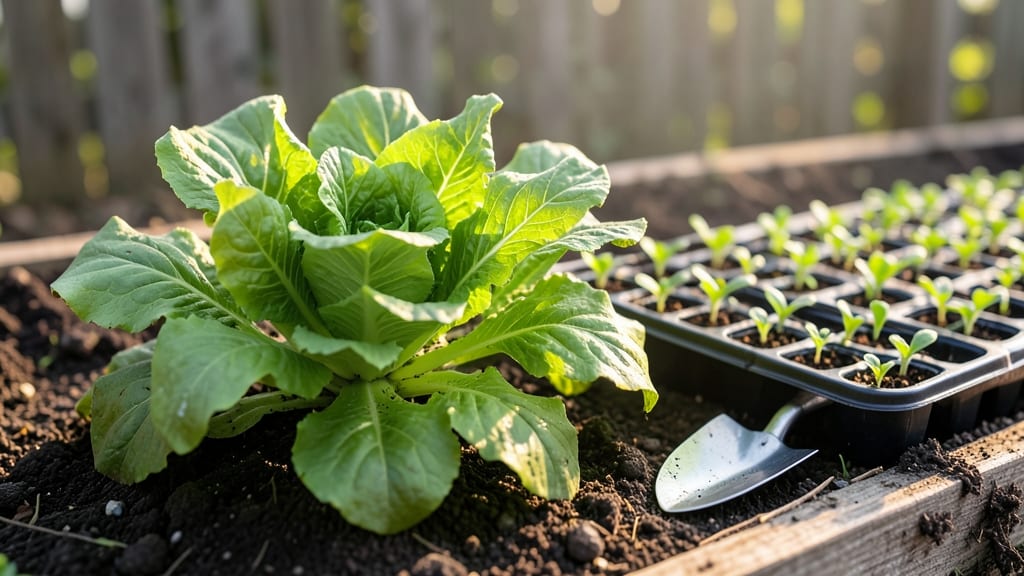
CJ can grow a garden in small spaces by using vertical planters, container gardening, and square-foot layouts to maximize yield without wasting room. Start with fast-growing herbs or leafy greens for quick results, then expand with companion planting techniques.
When you're working with limited space, the key is thinking upward and outward instead of just outward.
Vertical planters and wall-mounted systems turn blank walls into productive growing areas, while container gardening lets you place plants exactly where you need them—balconies, patios, or even windowsills. 🌿 I’ve seen beginners double their harvest by dedicating just 2 feet of wall space to climbing veggies like pole beans or cucumbers, which would otherwise take up precious floor room.
The real magic happens when you combine these techniques with square-foot layouts, where every inch of soil gets used efficiently without overcrowding.
For those just starting out, I always recommend beginning with fast-growing herbs like basil or lettuce—they give you instant gratification while you figure out your space’s quirks.
Once you’ve mastered the basics, you can layer in more complex setups like companion planting, where plants support each other’s growth (think basil next to tomatoes to repel pests).
The beauty of these methods is that they adapt to any small space, whether you’ve got a tiny apartment balcony or a postage-stamp backyard.
💡 In This Article
- Vertical Gardening Techniques for Small Spaces
- Best Space-Saving Garden Layouts for Beginners
Vertical gardening techniques for small spaces
Vertical gardening transforms underutilized walls and corners into productive growing zones by training plants to climb instead of sprawl. The science behind this involves gravitropism—a plant's natural response to grow against gravity—when supported by trellises or cages.
For example, pole beans can reach heights of 6-8 feet on a sturdy trellis, producing 30-50% more pods than bush varieties in the same footprint. 🌱 This technique isn't just about saving space; it also improves air circulation around plants, reducing fungal diseases like powdery mildew that thrive in crowded, humid conditions.
Wall-mounted planters are ideal for herbs and leafy greens, where you can mount fabric pockets or modular planters directly to exterior walls. These systems often use hydroponic felt or coconut coir that retains moisture while allowing roots to breathe—critical for urban environments where watering schedules might be less frequent.
For heavier plants like strawberries, consider galvanized steel or powder-coated wire shelves that can support 20-30 pounds per square foot when properly anchored. The key is ensuring adequate drainage; without it, root rot can set in within 48-72 hours of poor water management.
Trellises come in various materials, each with trade-offs. Bamboo trellises are lightweight and aesthetically pleasing but may not support heavy vines like cucumbers (which can weigh 1-2 pounds per vine when laden with fruit).
In contrast, powder-coated metal frames last decades and handle 50+ pounds of weight but require more effort to install. For balconies, freestanding A-frame trellises work well, while for fences, use T-posts with horizontal wires spaced 12-18 inches apart to accommodate different plant heights.
The spacing matters because it prevents vines from tangling, which restricts growth and increases pest risks.
Not all plants thrive vertically—choose species with natural climbing habits or those that benefit from elevated positions. Cucumbers and squash grow aggressively upward, saving 90% of the space they'd occupy sprawling. Strawberries do well in hanging baskets because their runners can cascade downward, creating a multi-level harvest in a small area.
Avoid vertical gardening with plants like zucchini or pumpkins, which have heavy vines that can overwhelm even sturdy structures. Instead, opt for determinate tomatoes (which grow to a fixed size) or pole beans, both of which are perfect for vertical training.
Structural stability is non-negotiable—especially in windy conditions. Mount wall planters using L-brackets or through-wall anchors rated for 50+ pounds, and always check local building codes if mounting to exterior walls. For freestanding structures, use concrete bases or sandbags to prevent tipping.
Drainage holes should be ¼-inch in diameter to allow water exit while retaining soil. The best vertical gardens combine function with form, turning your garden into a living tapestry that maximizes every inch of space without sacrificing productivity.