
Landscaping
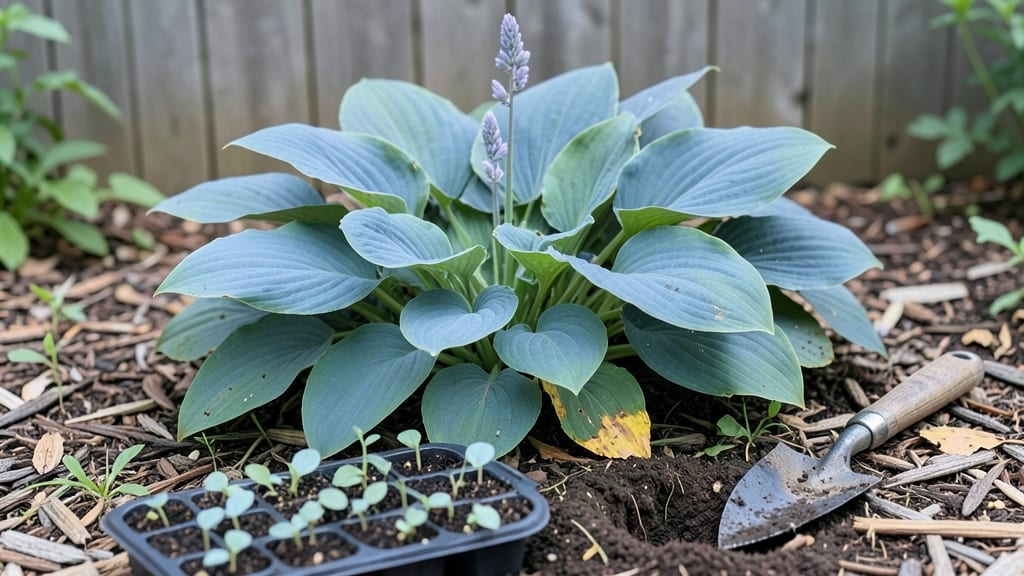
A circle garden design transforms any yard into a lush, private retreat with layered blooms that change with the seasons. I stumbled on this layout after struggling with cramped garden beds that never felt complete—until I tried a circular shape that framed my patio perfectly.
The key isn’t just the shape; it’s how the concentric rings create natural privacy while keeping every plant visible and accessible.
Start with a 4- to 6-foot diameter for small spaces (like a courtyard) or expand to 8-10 feet for full privacy. Use gravel or flagstone for pathways between rings to keep maintenance simple, and line the edges with low-growing perennials like creeping thyme or ajuga to define the shape.
At the center, a small tree, bench, or even a fire pit anchors the design while adding focal interest.
By layering plants from tall (sunflowers, hollyhocks) to mid-height (catmint, black-eyed Susans) to ground cover (liriope, sedum), you’ll get year-round color with minimal gaps. The outer ring can double as a living fence, blocking nosy neighbors while adding fragrance—think lavender or rosemary.
Even in tight urban yards, this design works with raised beds or container clusters.
Fair warning: drainage is critical in circular designs. Slope the center slightly outward to prevent pooling, and use 3-4 inches of gravel beneath soil for better water flow.
For busy gardeners, mulch the outer ring to cut down on weeding. The payoff? A garden that feels like a curated sanctuary, not just another patch of dirt.
📚 In This Guide
- What you need
- Instructions
- Tips and common mistakes
- Wrapping up and next steps
What you need
- ● Soil & Amendments: Topsoil – 2–3 cubic yards (depending on circle diameter)
- ● Compost – 1–2 bags (50 lbs each) for nutrient-rich soil
- ● Organic mulch – 2–3 bags (2 cubic feet each) (cedar or pine works well)
- ● Plants: Perennials (seasonal blooms) – 5–10 plants (e.g., coneflowers, black-eyed Susans, daylilies)
- ● Shrubs (privacy layer) – 3–5 plants (e.g., boxwood, hydrangea, or dwarf lilac)
- ● Ground cover – 10–15 plants (e.g., creeping thyme or ajuga)
- ● Hardware & Edging: Garden edging – 10–15 feet (metal, stone, or plastic)
- ● Garden stakes & twine – 10 stakes + twine (for plant support)
- ● Shovel & spade
- ● Garden rake
- ● Wheelbarrow (for hauling soil)
- ● Measuring tape & string (to mark the circle)
- ● Pruners (for trimming)
- ● Garden gloves (because blisters aren’t cute!)
- ● A level, sunny spot (6+ hours of sunlight daily for most blooms)
- ● Access to water (hose or irrigation system)
- ● Basic knowledge of plant spacing (or a cheat sheet for your climate zone!)
- ○ Optional but helpful: Garden hose with spray nozzle
- ● Knee pads (for comfort)
- ● Decorative stones or pebbles (for a polished look)
How to design a circle garden for year-round privacy and seasonal interest
This design creates a lush, living privacy screen that evolves with each season while maintaining a clean, geometric aesthetic.
Determine the Circle's Size and Layout
Measure your space to create a circle with a diameter of 8-12 feet—large enough to provide meaningful privacy but not so wide it overwhelms smaller yards. I recommend marking the center point with a wooden stake, then using a 10-foot string tied to it to trace the perfect circle in the soil. This ensures symmetry and balanced visual weight.
For a 4-person seating area, a 10-foot diameter works best—it creates enough space for movement while maintaining the intimate feel of a circle. Use a garden hose or spray paint to outline the edge, then remove the center 3-foot area for a clear walking path or small seating spot. This open center prevents the design from feeling closed-in while still blocking views.
Layer Plants for Seasonal Bloom Arcs
Divide the circle into three concentric rings—each with a different function. The outer ring (closest to the edge) should feature tall, upright plants like roses or hydrangeas (3-4 feet tall) to form the privacy barrier. The middle ring holds medium-height perennials such as coneflowers or black-eyed Susans (2-3 feet tall) for seasonal color, while the inner ring (nearest the center) uses low-growing ground covers like creeping thyme or ajuga to soften the edges.
I always plant spring bloomers (like daffodils) in the outer ring, summer performers (like lavender) in the middle, and fall/winter interest plants (like ornamental grasses) in the inner ring. This creates a continuous bloom arc from March through November. Space plants 12-18 inches apart in the outer ring, 10-12 inches in the middle, and 8-10 inches in the inner ring to allow for mature growth without overcrowding.
Install Structural Privacy Elements
For immediate privacy, install 3-4 vertical trellises (6 feet tall) along the circle’s edge, spaced evenly. I use powder-coated metal frames wrapped in lattice panels for durability. Train fast-growing vines like clematis or morning glories to climb these structures, ensuring they reach the top within one growing season. The lattice also provides a backdrop for annual vines like nasturtiums to spill over the edges, adding texture and color.
Add 2-3 small obelisks (4 feet tall) in the middle ring to support climbing roses or jasmine, which will weave through the perennials below. These vertical elements break up the horizontal lines of the circle while adding height and visual interest. Position them slightly off-center to create a natural, asymmetrical look that feels more organic than geometric.
Add Seasonal Accents and Hardscaping
Incorporate 3-4 boulders or large stones (12-18 inches in diameter) placed strategically around the circle’s perimeter. These serve as focal points and prevent the design from feeling too uniform. I like to tuck small succulents or sedum in the crevices of the rocks for additional texture and drought tolerance.
Create a gravel pathway (2 feet wide) along the inner edge of the circle, using pebbles or decomposed granite to define the space without overwhelming it. This pathway guides visitors through the garden while keeping foot traffic contained. Install solar-powered path lights (6-8 inches tall) every 3 feet along the path to illuminate the circle at night, enhancing its privacy benefits after dark.
Maintain for Long-Term Privacy and Bloom
Water deeply twice weekly during the first growing season to establish roots, then taper to once weekly once plants are mature. I always check soil moisture by pushing a finger 2 inches deep—if it feels dry, water thoroughly. Mulch the entire circle with 3 inches of shredded bark to retain moisture, suppress weeds, and protect roots from temperature swings.
Prune annual vines (like nasturtiums) back by one-third after their first flush of blooms to encourage a second wave of flowers. For perennials, cut back dead foliage in early spring but leave dormant stems on plants like ornamental grasses for winter interest. Fertilize once in early spring with a slow-release granular fertilizer (10-10-10 ratio) to support steady growth throughout the season.
Tips & tricks for perfect circle garden design
Creating a stunning circle garden that delivers year-round privacy requires attention to detail—here are the key strategies that elevate a good design to a breathtaking one.
Symmetry Without Sameness: When marking your 10-foot diameter circle, use a wooden stake at the center and a taut 10-foot string to ensure perfect symmetry. For a more organic feel, intentionally vary the spacing of your 3-4 trellises by 6-8 inches along the perimeter—this subtle irregularity prevents the design from feeling too rigid while maintaining the geometric integrity. The human eye perceives symmetry as pleasing, but slight variations create visual interest without sacrificing the circle's balanced structure.
Seasonal Layering Strategy: The three-ring system works beautifully, but here's the secret to making it truly seamless: stagger your spring bloomers in the outer ring by planting daffodils in clusters of three, spaced 18 inches apart. This creates natural groupings that feel intentional rather than random. In the middle ring, interplant your coneflowers and black-eyed Susans with ornamental grasses—this adds vertical texture that softens the transition between seasons when perennials go dormant.
Pathway Placement Matters: That 2-foot wide gravel pathway along the inner edge serves dual purposes beyond just guiding foot traffic. Position it slightly offset from the circle's center (about 6 inches inward) to create an optical illusion that makes the garden appear larger. This subtle shift also prevents the pathway from competing with the plants for visual attention. For a cohesive look, use decomposed granite in a neutral tone that complements your stone accents rather than clashing with them.
Lighting for Nighttime Privacy: The 6-8 inch solar-powered path lights you'll install every 3 feet should be positioned at varying heights—some at the standard 8-inch height, others slightly lower at 6 inches. This creates visual layers that guide the eye through the garden after dark. For maximum privacy, consider adding a few uplighting fixtures at the outer edge to softly illuminate the trellises and climbing roses, which will create a magical glow effect while maintaining the circle's geometric form.
Pro Tips for Circle Garden Design
- Creating a stunning circle garden that delivers year-round privacy requires attention to detail—here are the key strategies that elevate a good design to a breathtaking one.
- Symmetry Without Sameness: When marking your 10-foot diameter circle, use a wooden stake at the center and a taut 10-foot string to ensure perfect symmetry.
- This creates natural groupings that feel intentional rather than random.
Frequently asked questions
Got questions about creating a stunning circle garden design? You’re not alone! Here are some of the most common queries—and their practical answers—to help you get started with confidence.
What’s the best time of year to plant a circle garden?
The ideal time depends on your climate, but spring (after the last frost) or early fall are the sweet spots. In warmer zones, winter planting can work too! Plan ahead: most circle gardens take 3–6 months to establish, so start early for full-season blooms. Pro tip: Test your soil in early spring to adjust pH or nutrients before planting.
How do I determine the perfect size for my circle garden?
Size matters for both aesthetics and maintenance! A 4–6 foot diameter is ideal for most yards—big enough for variety but small enough to keep weeds at bay. Measure your space and leave 1–2 feet of clearance around the edge for easy access. For larger areas, consider multiple smaller circles instead of one giant one.
Are there budget-friendly alternatives to expensive materials like stone borders?
Skip pricey pavers and try:
- Recycled bricks or cinder blocks (painted or stacked creatively)
- Natural wood chips or mulch (renewable and eco-friendly)
- DIY gravel or crushed stone (cheap and durable)
- Living edges with low-growing plants like creeping thyme
Bonus: Salvage materials from local demolition sites or repurpose old garden borders!
How do I keep pests out of my circle garden without chemicals?
Pests hate surprises! Use these natural deterrents:
- Plant pest-repelling companions like marigolds, lavender, or basil around the edge.
- Install chicken wire or fine mesh (temporarily) over vulnerable plants.
- Encourage beneficial insects (like ladybugs) with a small water source.
- Apply neem oil or garlic spray as a last resort.
Rotate plants yearly to disrupt pest cycles—a circle garden’s layered design makes this easy!
Will a circle garden survive harsh winters?
Yes! Hardiness depends on plant selection and protection. Choose native perennials and cold-hardy annuals (like pansies or hellebores). In freezing climates:
- Mulch heavily with straw or leaves (3–4 inches) after the first frost.
- Wrap tender plants in burlap or frost cloth.
- Opt for evergreen shrubs (like boxwood) in the center for year-round structure.
Prune back dead foliage in early spring—don’t cut too soon, as it protects roots!
Wrapping up and next steps
Designing a circle garden isn’t just about aesthetics—it’s a functional masterpiece that blends privacy, seasonal beauty, and effortless charm. Whether you’re framing a cozy patio or adding a focal point to your yard, these layered arcs of blooms and greenery create a year-round sanctuary that evolves with the seasons. 🌸
Ready to transform your outdoor space? Start small—sketch your design, gather your materials, and plant with confidence. Before you know it, your circle garden will be the envy of the neighborhood, offering both privacy and pure joy with every stroll through the blooms.