Fertilization
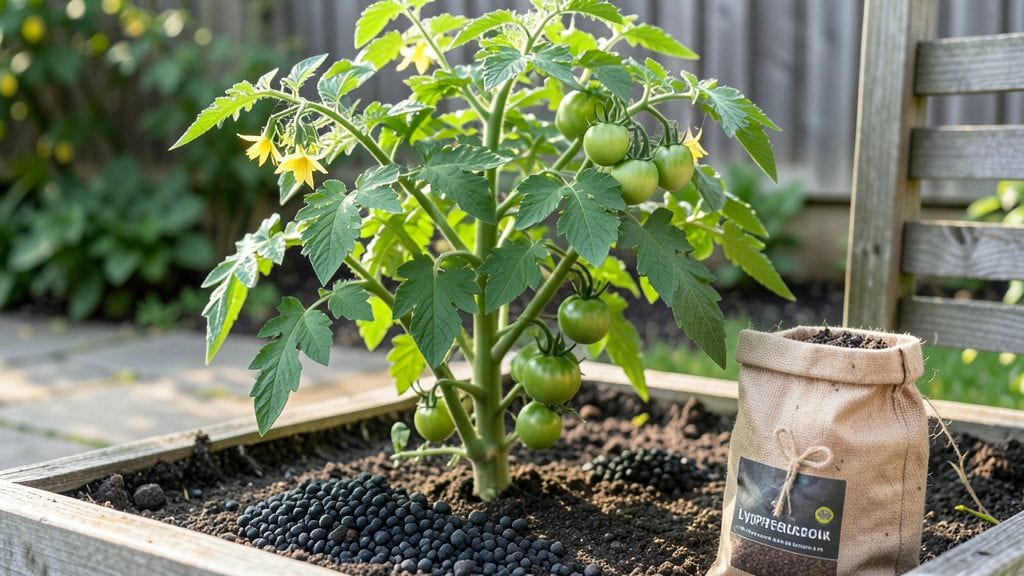
Charcoal in gardening transforms soil by improving aeration, locking in moisture without excessive watering, and eliminating foul odors while preventing compaction. Activated charcoal variants further remove toxins and stimulate beneficial microbes for stronger plant growth.
This porous material works like a natural soil amendment because its tiny air pockets create space for roots to breathe while holding water efficiently. 🌱 Unlike traditional fertilizers, charcoal doesn't add nutrients directly but creates the ideal environment for microbes to break down organic matter.
I've seen gardeners mix it into compost piles to speed up decomposition—it's like giving your soil a detox and a breath of fresh air at the same time.
For potted plants, I recommend mixing 10-20% charcoal with your regular potting mix. The key is balance—too much can make the soil too alkaline for acid-loving plants like blueberries.
Activated charcoal works best for contaminated soils, while regular garden charcoal is perfect for general soil improvement and odor control in containers.
💡 In This Article
- How Charcoal Enhances Soil Structure and Microbial Life
- Best Ways to Use Charcoal for Gardens and Potted Plants
How charcoal enhances soil structure and microbial life
Charcoal works like a soil sponge due to its high porosity, with surface areas reaching 300-1,000 square meters per gram—about the size of a football field in a single teaspoon! This microscopic structure creates tiny air pockets that improve oxygen circulation to roots while preventing compaction.
Unlike dense soil, which suffocates roots, charcoal's lattice-like framework mimics the natural aeration of forest floors where plants thrive. 🌿
The magic happens at the molecular level too. Charcoal's alkaline nature (pH 8-10) helps neutralize acidic soils, creating an optimal environment for beneficial microbes. Studies show it can increase microbial populations by 30-50% by providing a stable habitat for bacteria and fungi that break down organic matter.
This microbial boost is why gardeners notice faster compost decomposition when they add charcoal—it's like building a cozy microbial city where nutrients get recycled efficiently.
Here's where things get interesting: Biochar (made from pyrolyzed wood) differs from activated charcoal in key ways. Biochar has a more stable carbon structure that lasts decades in soil, while activated charcoal is designed for short-term toxin absorption.
Biochar's slow decomposition releases nutrients gradually, while activated charcoal works faster but needs replenishing. For heavy metal detox, activated charcoal binds to contaminants like a magnet, while biochar's porous structure helps retain water and nutrients longer.
You'll notice the difference in texture too—charcoal feels light and gritty compared to dense soil amendments. When mixed into potting soil, it creates a lighter, fluffier medium that drains well but holds moisture like a sponge.
This is why it's perfect for container gardens where overwatering is common. The right ratio is 10-20% charcoal by volume, but never more than 30% or you risk making the soil too alkaline for sensitive plants.
For odor control, charcoal's adsorptive properties work like a natural air filter. It traps volatile organic compounds (VOCs) that cause foul smells in compost or potted plants. This is why gardeners swear by it for sulfur-smelling compost or musty containers.
The key is using food-grade charcoal—never charcoal from grills or fireplaces, as these contain harmful chemicals that can leach into your soil. 💫
What most gardeners don't realize is how charcoal affects water retention. While it drains excess water quickly, it also holds onto moisture through capillary action in its pores. This means your plants get steady hydration without the risk of root rot from soggy soil.
The ideal scenario is 60% air, 30% water, and 10% organic matter—charcoal helps maintain this perfect balance in compacted or heavy soils.