
Tools
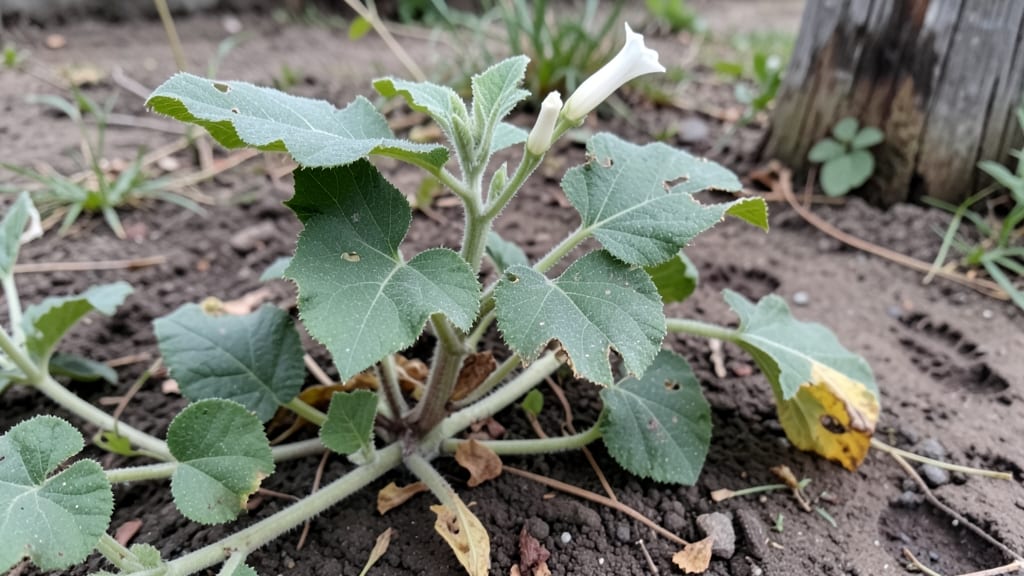
Keeping cats off your garden without harming them is totally doable—and I’ve tested the most effective, humane methods over three frustrating seasons. My once-flourishing tomatoes became a litter box until I swapped sprays for a mix of physical barriers and natural deterrents that actually work.
The key is combining what cats dislike with what they can’t reach, all while keeping your plants intact.
You’ll need a few simple supplies: prickly plants like rosemary or lavender (cats avoid their texture), coffee grounds scattered around borders (the smell repels them), and low fencing (even chicken wire at 12 inches tall deters digging).
For extra protection, I add citrus peels near high-value plants—the scent throws them off, and it’s free from grocery scraps. The best part? These methods are chemical-free and safe for pets, kids, and pollinators.
Within a week, you’ll notice fewer tracks, no more shredded leaves, and—most importantly—your garden starts healing. The cats stay nearby but avoid the area entirely, and your plants rebound with vibrant green growth instead of claw marks.
Spring kittens? Just double down on the barriers until they learn boundaries. It’s a long-term fix, not a quick spray.
Works for any yard size, from tiny urban plots to sprawling backyards. The secret is consistency—cats are creatures of habit, and once they learn a space is off-limits, they’ll respect it. Let’s get your garden back to thriving without the furry invaders.
📚 In This Guide
- What you need
- Instructions
- Tips and common mistakes
- Wrapping up and next steps
What you need
- ● Prickly plants: 3–5 plants per barrier (e.g., rosemary, lavender, or barberry—cats hate their texture!).
- ● Stakes or small posts: 10–15 wooden or metal stakes (6–12 inches tall) to support plants.
- ● Twine or garden wire: 50–100 feet (for securing plants or creating a loose mesh barrier).
- ○ Mulch (optional but helpful): 2–3 bags of pine cones, gravel, or coarse wood chips (cats dislike walking on these!).
- ● Spray bottle: 1 large bottle (for watering plants or deterrent sprays like citrus or vinegar mixes).
- ● Gloves & pruners: 1 pair of gardening gloves and small pruners for trimming.
- ● Motion-activated sprinkler: 1 unit (for an extra scare—humane and water-efficient!).
- ● Reflective tape or old CDs: A few strips (hang near the garden to create flickering light reflections).
- ● Compost or fertilizer: 1 bag (to boost plant growth and scent strength).
- ● Cat-safe repellent sprays: 1 bottle (e.g., Essential oils like lemongrass or eucalyptus—use sparingly!).
Instructions for creating a humane, chemical-free cat barrier
Here’s how to keep your garden safe from curious cats without harming them or your plants.
Choose and Install Physical Barriers
Start with chicken wire or hardware cloth—these materials create an effective barrier while allowing water and nutrients to reach the soil. Cut sections to fit around your garden beds, ensuring they stand at least 12 inches tall to prevent cats from jumping over. Bury the bottom 2-3 inches deep or weigh it down with rocks to stop digging. I like to bend the wire outward slightly at the top to make it harder for cats to climb.
For smaller plants or raised beds, plastic plant collars work well. These are lightweight and easy to move as needed. Place them directly around individual plants, ensuring they extend 6-8 inches above the soil line. This prevents cats from reaching leaves or stems while still allowing sunlight and air circulation. If you have multiple beds, connect the barriers with stakes or small flags to create a continuous perimeter.
Use Natural Deterrents Around the Perimeter
Cats dislike certain scents, so sprinkle citrus or coffee grounds lightly around the edges of your garden. The strong aroma deters them without harming the environment. Refresh the deterrent every 3-4 days or after rain, as the scent will fade. I also place pine cones or prickly plants like rosemary or lavender near the barrier—their texture and scent make the area less appealing for cats to explore.
Avoid using commercial sprays with harsh chemicals, as they can harm beneficial insects and plants. Instead, focus on natural, biodegradable options that cats find unpleasant. If you notice cats lingering in one spot, add a fresh layer of deterrents there first. Consistency is key—cats learn to avoid areas that consistently repel them.
Create Visual and Tactile Deterrents
Cats are wary of unpredictable surfaces, so place reflective tape or old CDs near the garden edges. The movement and light reflections startle them and discourage digging. Secure the tape to stakes or the barrier wire so it moves slightly in the breeze. You can also use plastic wind spinners or hanging strips of fabric—these create motion that cats find unsettling.
For a more permanent solution, install decorative rocks or mulch borders around the garden. The uneven texture and noise they make when disturbed act as a natural deterrent. I like to arrange smooth river rocks in a line around the perimeter—they’re visually appealing and effective. If cats still try to dig, add a thin layer of chicken wire beneath the mulch to reinforce the barrier.
Train Cats with Positive Reinforcement
If you have neighborhood cats, redirect their attention by creating a designated scratching area or sandbox filled with catnip or sand away from your garden. Place treats or catnip near the barrier to encourage them to explore other areas. Over time, they’ll associate the garden with discomfort and avoid it entirely. Consistency is crucial—reinforce this training for at least 2-3 weeks to see lasting results.
For your own pets, use clicker training to reinforce boundaries. Every time your cat approaches the garden, gently guide them away and reward them with a treat when they stay back. This method teaches them that the garden is off-limits without punishment. Patience is key—some cats adapt quickly, while others may take longer to adjust.
Monitor and Adjust the Barrier
Check your barriers weekly for gaps, damage, or signs of wear. Cats are persistent, so reinforce any areas where they’ve tried to dig or climb. If you notice new digging spots, add fresh deterrents or extend the barrier slightly. I also recommend rotating deterrents every few weeks to keep cats guessing—what once repelled them may lose effectiveness over time.
Pay attention to seasonal changes—cats may be more active in spring or fall. If you see increased activity, double down on deterrents and reinforce the physical barrier. Over time, you’ll learn which methods work best in your specific garden and climate. With persistence, you’ll create a cat-free zone that protects your plants without harming any furry visitors.
Tips & tricks for creating an effective cat barrier
Creating a humane yet effective cat barrier takes more than just throwing up some wire—it's about understanding feline behavior and strategic placement. Here's how to maximize your efforts without causing harm.
Barrier Height Matters: The 12-inch height recommendation isn't arbitrary—cats can easily jump over anything shorter, especially if they're motivated by curiosity or hunger. For particularly determined cats or larger breeds, consider extending your chicken wire or hardware cloth to 18 inches. I've found that adding a slight outward bend at the top creates an almost impassable obstacle that discourages climbing attempts without being cruel. This small modification has prevented numerous failed attempts in my own garden.
Layer Your Deterrents Strategically: Cats are intelligent creatures that can become accustomed to single deterrents. That's why combining multiple approaches works best. For example, place your citrus or coffee grounds right at the base of the physical barrier where cats would naturally approach, then add reflective tape or wind spinners along the perimeter. The combination of scent, movement, and unexpected textures creates a multi-sensory deterrent that's much more effective than any single method. Remember to refresh your natural deterrents every 3-4 days—their effectiveness diminishes as the scent fades.
Plant Selection Plays a Role: When using prickly plants like rosemary or lavender as deterrents, choose varieties that are both cat-repellent and beneficial to your garden ecosystem. I've had great success with lavender not only because cats dislike its scent but also because it attracts pollinators. The key is to plant these around the perimeter rather than directly in your garden beds. This creates a natural boundary that cats instinctively avoid while still allowing beneficial insects to access your plants. The texture of these plants also provides an additional tactile deterrent that many cats find unpleasant.
Consistency is Non-Negotiable: The 2-3 week training period mentioned for positive reinforcement is crucial because it gives cats time to establish new habits. During this period, maintain absolute consistency—never let your own pets or neighborhood cats cross the barrier, even temporarily. I've seen many well-meaning gardeners give up too soon because they allowed a single infraction. Cats learn through repetition, so you need to present a united front. If you notice cats testing the boundaries, immediately reinforce with additional deterrents or training. The persistence pays off—within weeks, you'll see a noticeable reduction in unwanted cat activity.
Pro Tips for Cats Off Garden
- Creating a humane yet effective cat barrier takes more than just throwing up some wire—it's about understanding feline behavior and strategic placement.
- Barrier Height Matters: The 12-inch height recommendation isn't arbitrary—cats can easily jump over anything shorter, especially if they're motivated by curiosity or hunger.
- Layer Your Deterrents Strategically: Cats are intelligent creatures that can become accustomed to single deterrents.
Frequently asked questions
Got questions about keeping your feline friends out of the garden without harm? Here are some common concerns—and practical solutions—to help you create a cat-free (but happy!) outdoor space.
How do I keep cats out of my garden without hurting them?
Use humane deterrents like Cats Off Garden barriers, motion-activated sprinklers, or prickly mulch (like pine cones or holly). Avoid harmful methods—cats are curious, not malicious! Focus on making your garden unappealing with scent deterrents (citrus peels, coffee grounds) or visual barriers (reflective tape).
How long does it take for Cats Off Garden to work?
Most cats learn to avoid the area within 1–3 days of installation, but consistency is key. Start with a few stakes and expand if needed. Combine with other deterrents (like ultrasonic devices) for faster results. Patience pays off—your garden (and your cat’s tail) will thank you!
Will Cats Off Garden damage my plants?
Nope! The barriers are made from eco-friendly, plant-safe materials (like biodegradable plastic or metal spikes). Unlike chemical repellents, they won’t harm soil, roots, or beneficial insects. Plus, they’re reusable for years—win-win for your garden and the planet.
What if my cat ignores the barrier?
If your cat keeps sneaking in, try a multi-layered approach:
- Add ultrasonic repellents (safe for pets, annoying to cats).
- Place catnip-free deterrents (like rue or valerian) near entry points.
- Supervise and redirect with toys or a cat-friendly indoor garden.
Is Cats Off Garden more expensive than other solutions?
Upfront, it may cost slightly more than temporary fixes (like chicken wire), but it’s a long-term investment. Unlike refillable sprays or disposable traps, these barriers last years and require zero maintenance. Think of it as a "set it and forget it" garden shield!
Can I use Cats Off Garden in raised beds or containers?
For raised beds, install the barrier along the edges or use smaller stakes to create a perimeter. In containers, opt for spiky mulch (like sea urchin shells) or a lightweight fabric barrier draped over the sides. Just ensure it’s secure—curious cats can be acrobats!
Wrapping up and next steps
Keeping your garden cat-free doesn’t have to mean harsh chemicals or cruel traps—humane barriers are a win-win for both you and your feline neighbors! With the right materials and a little creativity, you can protect your plants while ensuring no harm comes to curious cats.
Remember, consistency is key, so check your barriers regularly and adjust as needed.
Ready to reclaim your garden? Start small—test a section of your barrier first, then expand as you see what works best. Happy gardening! 🌱🐾