
Companion Plants
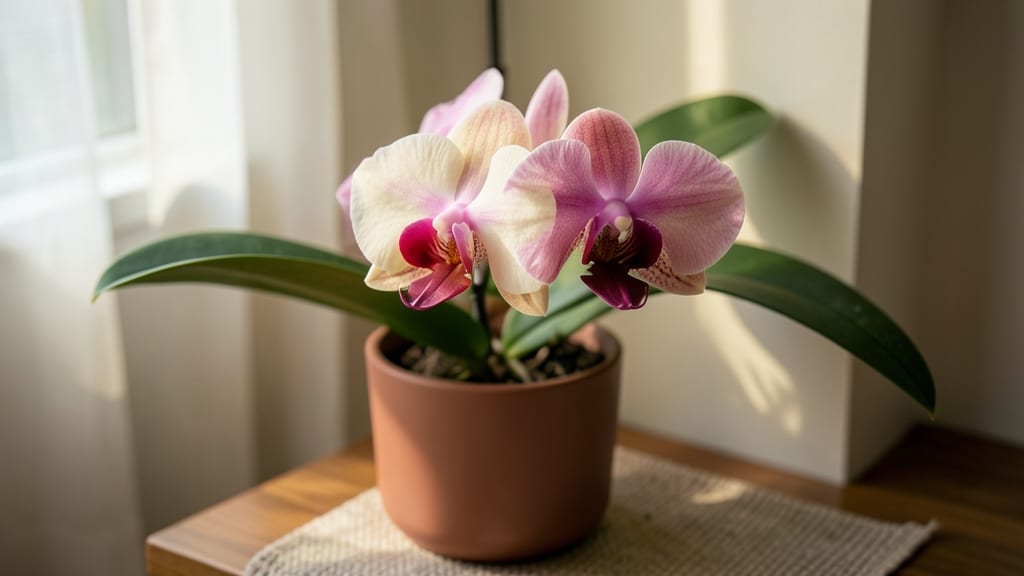
Creating a cat-friendly garden doesn’t mean sacrificing beauty or variety. These 10 non-toxic plants are safe for curious feline companions while adding vibrant color, texture, and fragrance to your outdoor space—perfect for pet owners who love gardening.
Cat Grass (Wheatgrass or Oatgrass)
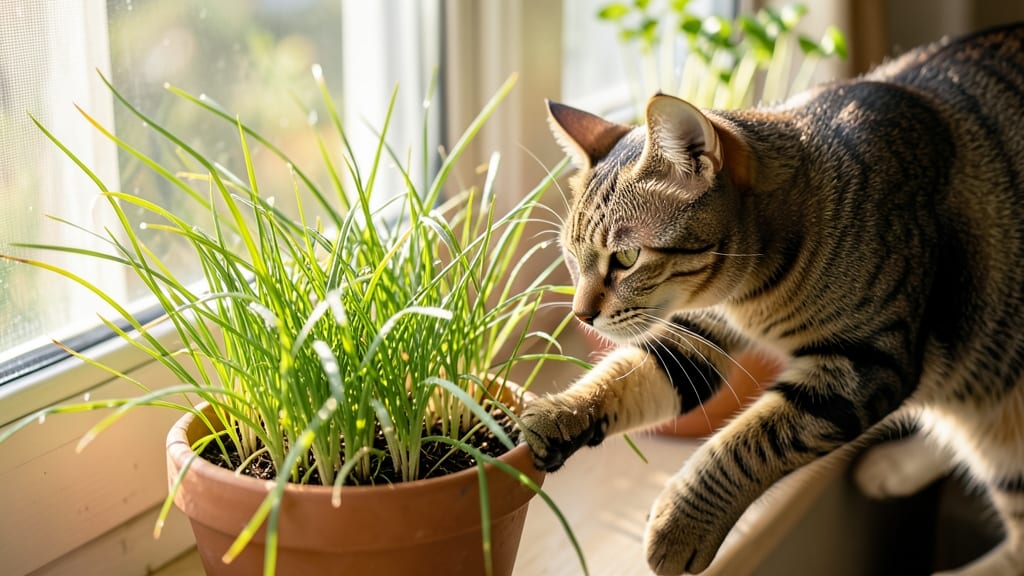
If your cat has a habit of nibbling on houseplants, cat grass (wheatgrass or oatgrass) is the perfect solution—and a natural digestive aid. Unlike toxic alternatives, this fast-growing grass is safe for cats to munch on instinctively, helping them avoid hairballs while satisfying their curiosity.
Sow seeds in a shallow tray or pot with well-draining soil, keeping it moist until sprouts appear in 7-10 days. Place it where your cat can easily access it, and replenish every 4-6 weeks for continuous growth. The mild flavor and texture make it irresistible, giving your cat a healthy alternative to your prized plants.
This is a must-have for any cat owner who gardens—it’s low-maintenance, budget-friendly, and doubles as a natural fiber supplement when your feline friend takes a nibble. 🌱
Spider Plant (Chlorophytum comosum)
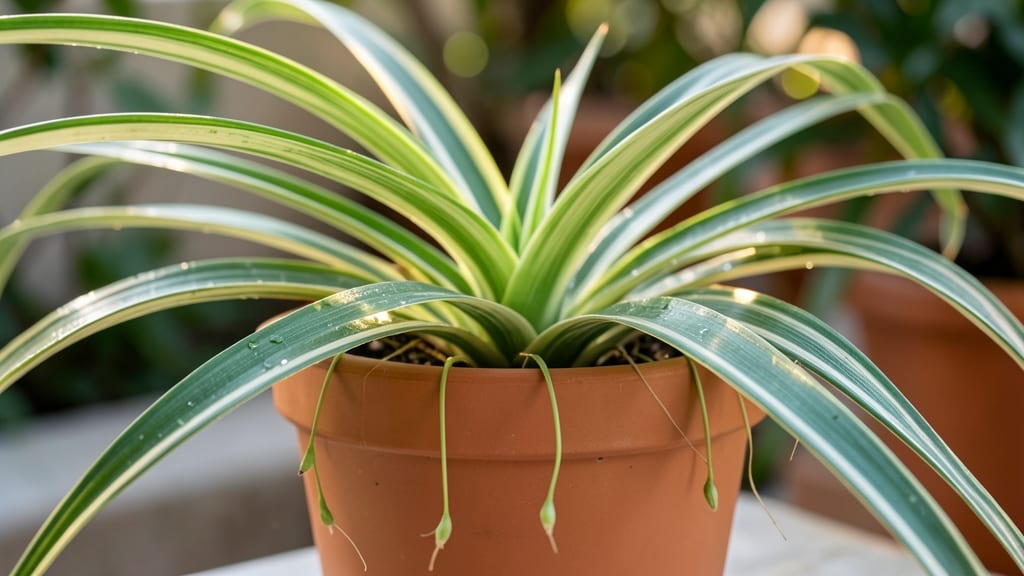
If you want a low-maintenance plant that doubles as a cat-safe decor piece, the spider plant (Chlorophytum comosum) is your answer. Its arching striped leaves add a modern touch to any space, and cats typically leave it alone—unlike their obsession with cat grass. This plant thrives in bright, indirect light and even tolerates occasional neglect, making it perfect for busy pet owners.
For best results, place it in a hanging basket where its cascading foliage can shine, or let it trail from a shelf. Water when the top inch of soil feels dry, and fertilize lightly during spring and summer. The non-toxic nature means curious kittens can safely explore nearby without risk, while you enjoy its air-purifying benefits.
This plant is ideal for beginners or anyone who wants a feline-friendly green accent without fuss. Its adaptability makes it a star for both indoor and shaded outdoor spots. 🌿
Boston Fern (Nephrolepis exaltata)
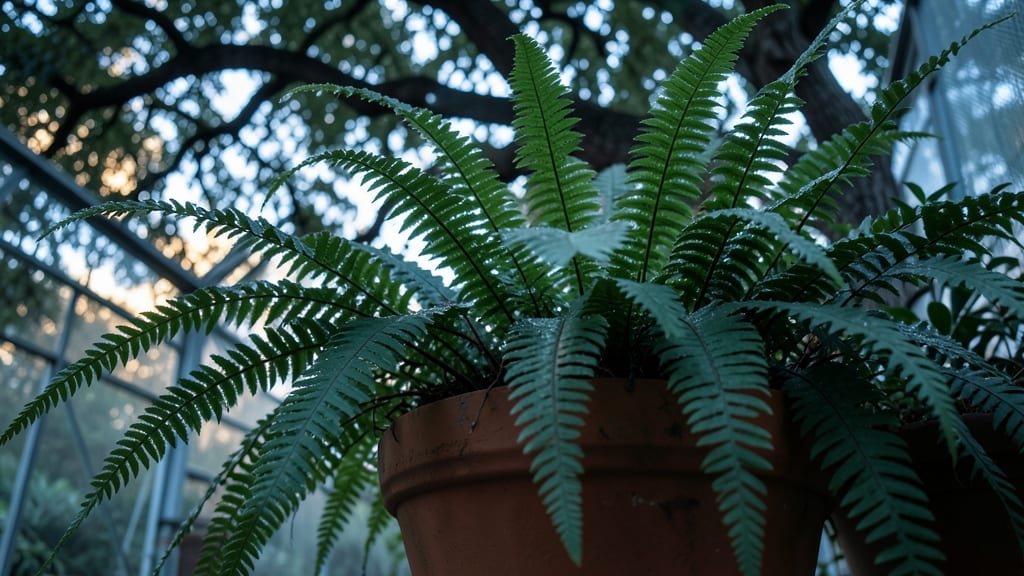
If your garden has shady spots where sunlight barely reaches, the Boston fern (Nephrolepis exaltata) is your secret weapon. This elegant, feathery plant thrives in low-light conditions and humid climates, making it ideal for under trees, north-facing walls, or even bathrooms with natural light.
Not only is it non-toxic to cats, but its lush, arching fronds create a natural, woodland-like atmosphere that cats often find intriguing to explore—without the risk of poisoning. Keep the soil consistently moist (but not soggy) and use a well-draining potting mix to prevent root rot. This fern also purifies the air by filtering indoor pollutants like formaldehyde.
Perfect for beginners or urban gardeners with limited sunlight, the Boston fern adds texture and movement to any space while keeping curious kitties safe and engaged. 🌿
Calendula (Pot Marigold)
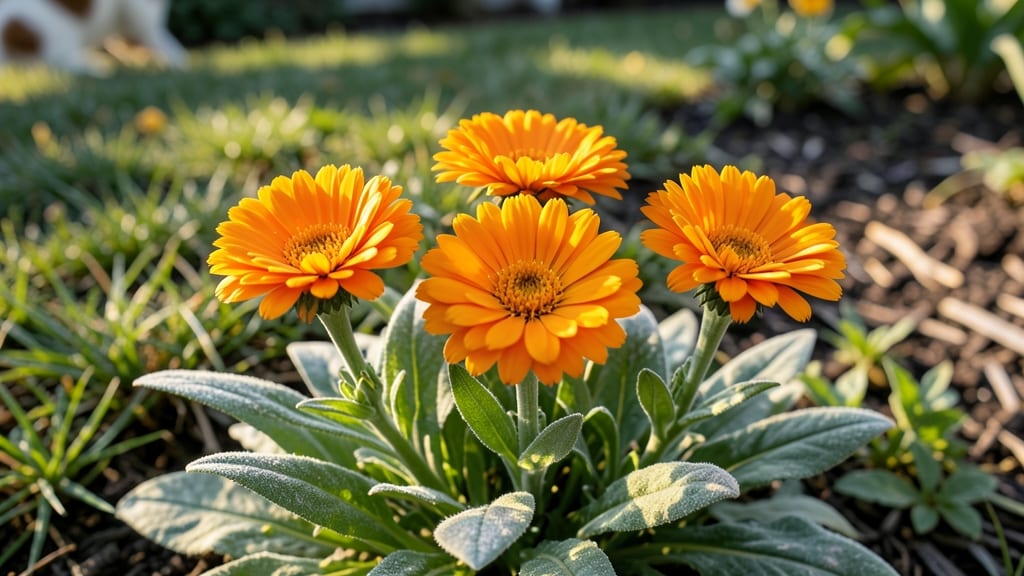
Want a garden that’s as safe for your cat as it is stunning for you? Calendula delivers bright orange blooms that double as a pollinator magnet while being completely non-toxic to curious kitties. These cheerful flowers thrive in full sun and even tolerate light frosts, making them a low-maintenance star for borders or containers.
Beyond their beauty, calendula petals are edible for humans and safe if your cat takes a nibble. Plant them in well-draining soil, and they’ll reward you with continuous blooms from spring through fall. The flowers also have mild antibacterial properties, so they’re useful in homemade salves too—just not for your cat’s skin!
Perfect for urban gardeners or anyone with limited space, calendula’s compact size and vibrant color make it a must-have for cat-friendly gardens that still attract bees and butterflies. 🌻
Mint (Spearmint or Peppermint)
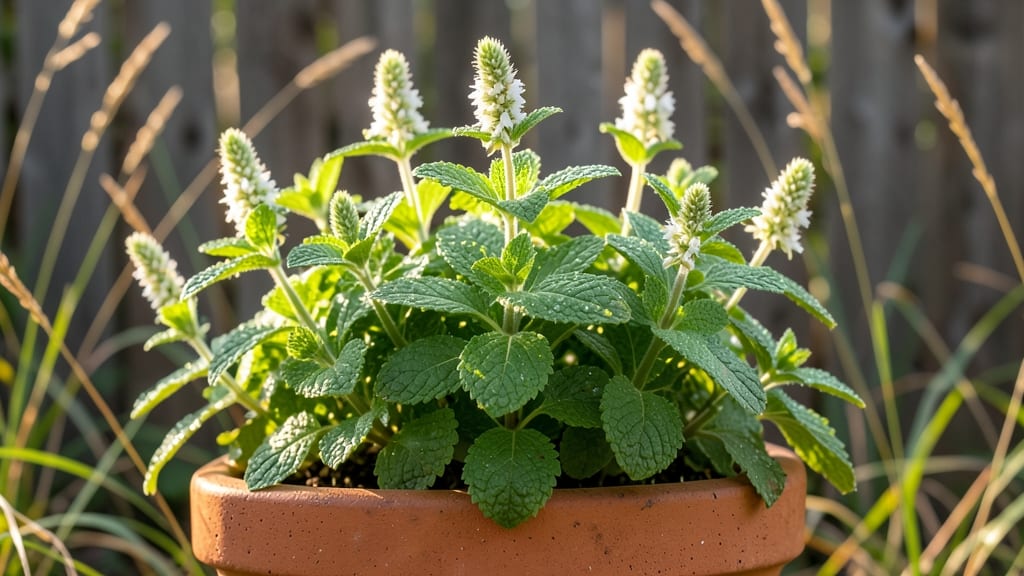
Want a garden that keeps cats away while repelling pests naturally? Mint—both spearmint and peppermint—is your secret weapon, but with one critical rule: plant it in containers. The strong, fresh scent deters cats and even mosquitoes, making it a dual-purpose powerhouse for pet owners.
This hardy herb thrives in partial sun to full shade, needs well-draining soil, and grows aggressively—hence the container requirement. Snip leaves as needed for teas or cooking, and watch your furry friends avoid the area entirely. Urban gardeners will love its compact, portable nature.
Perfect for patios, windowsills, or balconies, mint adds a fragrant touch without risking your garden’s integrity. Just be prepared for your cat to give it a wide berth! 💚
African Violet (Saintpaulia)
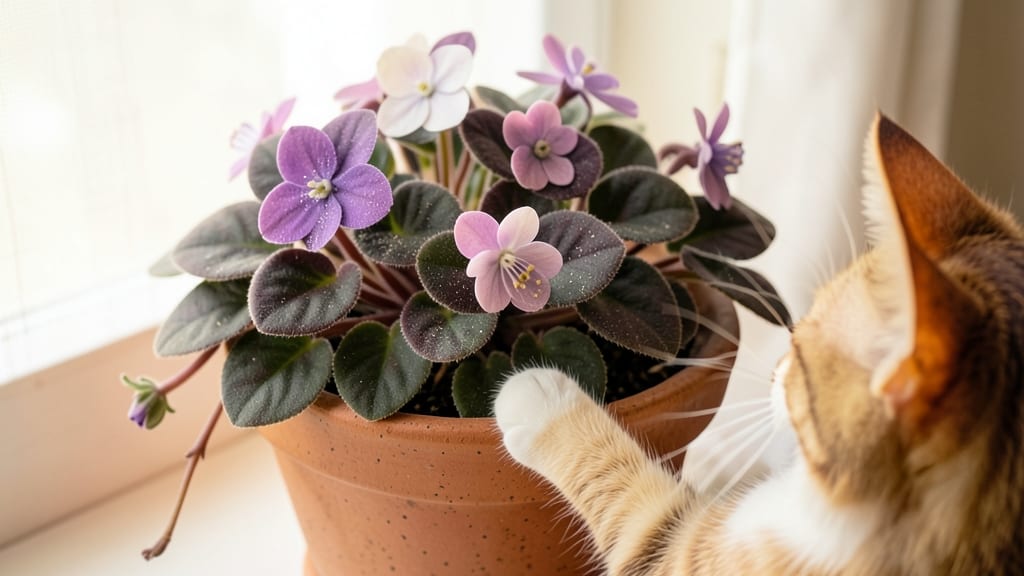
Watch your cat’s playful paws transform into delicate swipes instead of destructive claws with African violets (Saintpaulia)—these charming, velvety-leaved beauties are completely non-toxic and designed for feline curiosity. Their compact size and trailing growth habit make them perfect for indoor windowsills or shaded outdoor spots where cats love to perch and bat at foliage.
Thriving in bright, indirect light (like a north-facing window or dappled shade), African violets prefer consistently moist but well-draining soil—just avoid soggy roots. Their year-round blooms in shades of purple, pink, or white add color without requiring deadheading, and they’re resistant to most pests, making them a stress-free choice. Place them on elevated shelves or cat-proof planters to keep your feline friend’s attention safely engaged. 🌷
Lamb’s Ear (Stachys byzantina)
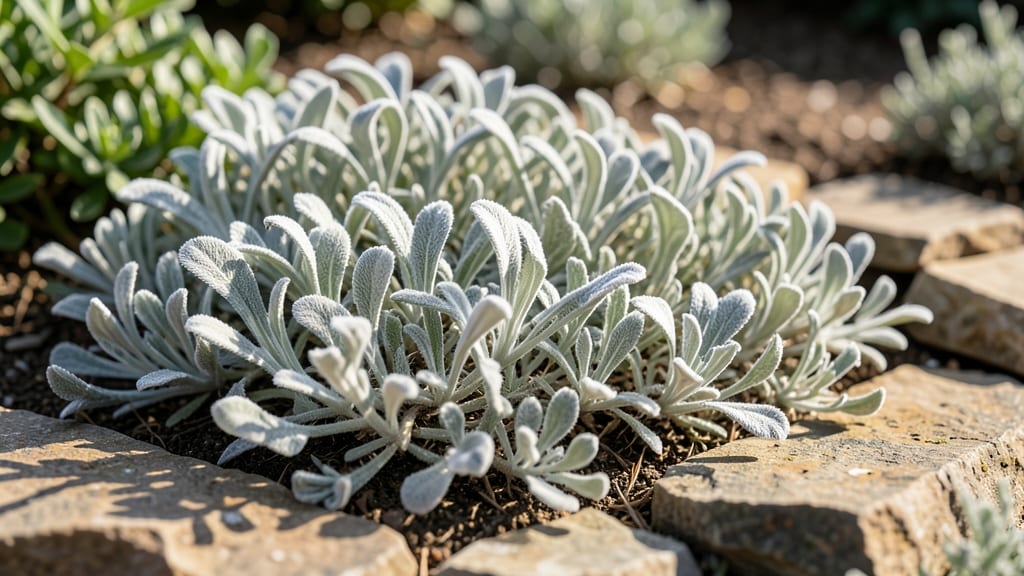
If you’re tired of cats shredding your garden but still want a lush, textured landscape, Lamb’s Ear (Stachys byzantina) is your answer. This velvety silver foliage plant isn’t just cat-resistant—it actively deters pests while adding a soft, tactile contrast to rock gardens or borders.
Plant it in full sun to partial shade with well-draining soil, and its fuzzy leaves will thrive year-round in USDA zones 4-9. The silvery hue reflects light, reducing heat stress, while its woolly texture makes it nearly impossible for cats to chew. Bonus: It self-seeds gently, creating a low-maintenance ground cover that spreads beautifully without invading other plants.
Perfect for gardeners who love textural contrast but hate dealing with cat damage, Lamb’s Ear turns problem areas into striking focal points. 🌟
Sunflower (Helianthus annuus)
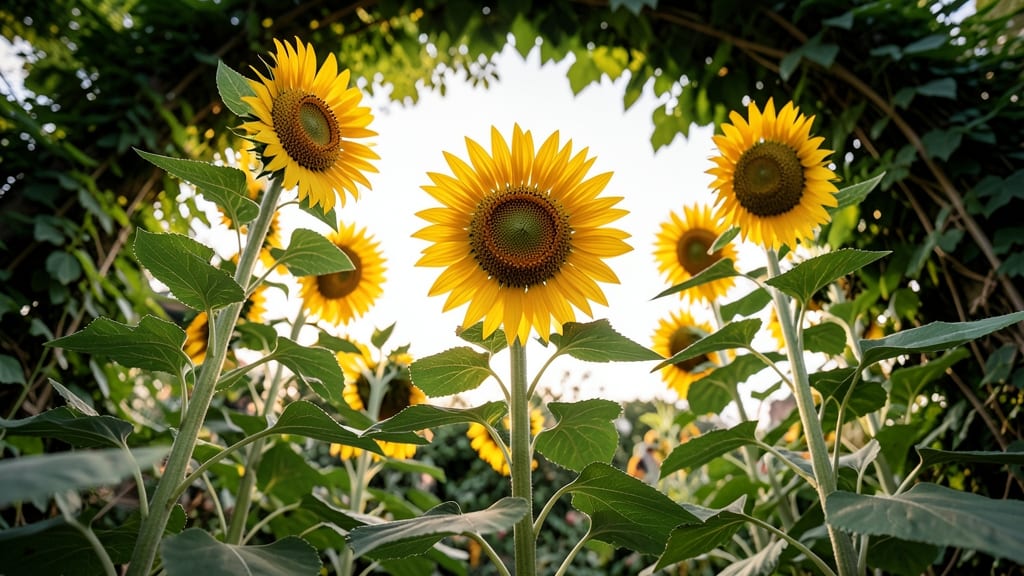
If you want a dramatic focal point in your garden that cats will admire rather than destroy, sunflowers (Helianthus annuus) are your answer. These cheerful giants grow 10-12 feet tall in just 80-100 days, providing instant shade and a bird-friendly feast—while staying completely safe for curious paws.
Sunflowers thrive in full sun (6+ hours daily) and well-drained soil, making them perfect for beginners. Their tall stalks create natural privacy screens, and the edible seeds attract birds, adding life to your garden ecosystem. Plant them in clusters for a striking visual impact, and watch your cat sit back to enjoy the show instead of the snack. 🌻
Catnip (Nepeta cataria)
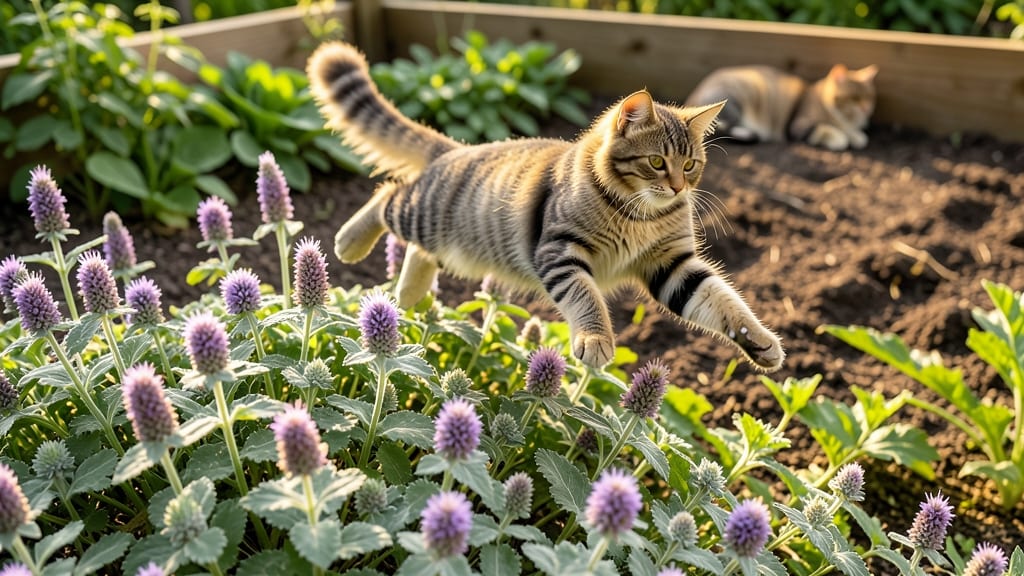
Watch your cat transform from a lazy lounger to a hyperactive explorer with catnip (Nepeta cataria)—the ultimate feline playground. This hardy perennial isn’t just safe; it’s a dream come true for playful cats who roll, rub, and pounce when they encounter its fragrant foliage.
Plant catnip in a dedicated patch (not mixed with other herbs) to control exposure—too much can overstimulate your kitty. It thrives in full sun to partial shade and well-drained soil, blooming with lavender-purple flowers that add charm to borders or containers. Harvest leaves when dry for DIY cat toys, or let your furry friend enjoy fresh growth directly from the garden.
Perfect for cat owners who want to enrich their pet’s environment without risk, catnip is a low-maintenance way to turn your yard into a feline fun zone. Just remember: moderation is key! 🌻
Orchid (Phalaenopsis)

Transform your home into a serene sanctuary with Phalaenopsis orchids, the perfect blend of elegance and feline safety. Unlike many plants that repel cats, these exotic beauties often captivate them with their delicate blooms—making them a unique, non-toxic centerpiece for indoor spaces.
These orchids thrive in bright, indirect light and require minimal care beyond weekly misting and well-draining pots. Their year-round blooms add sophistication to shelves, tables, or hanging baskets, while their non-toxic nature ensures your curious cat can safely admire them up close.
Ideal for urban gardeners or anyone craving a touch of luxury, orchids bring drama without the risk—just place them where your cat can observe (but not reach) for a harmonious indoor garden. ✨