
Fertilization
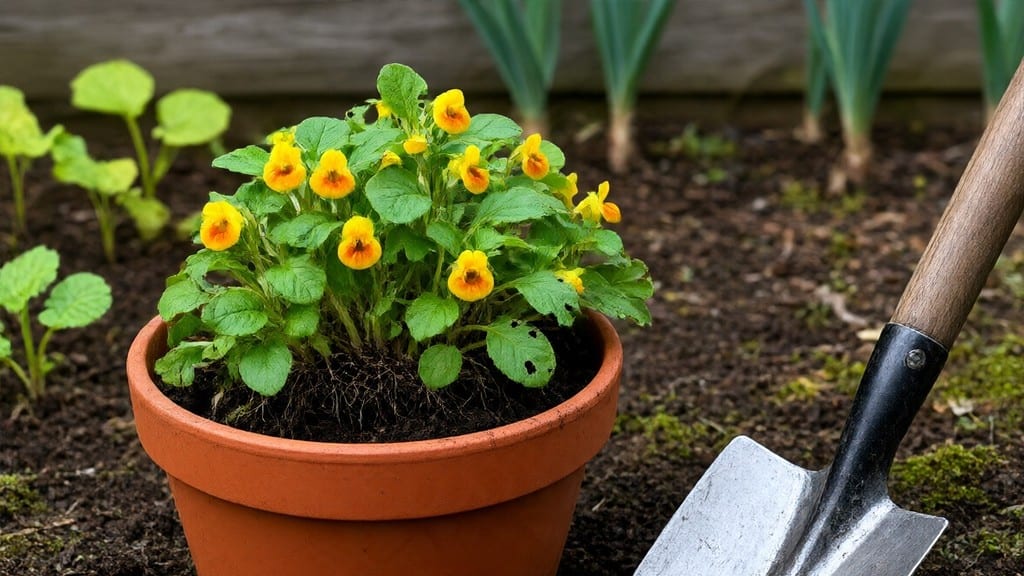
Garden soil is heavy and dense, designed to hold moisture and nutrients for deep-rooted plants in the ground—not the lightweight, breathable environment container plants need. 🌱 When packed into pots, it smothers roots by trapping excess water, while its natural pathogens and weed seeds can stifle young seedlings or stressed plants.
Even amending it with sand or peat can’t fully fix its structural flaws, making store-bought mixes with perlite or coconut coir the smarter choice for thriving container gardens.
💡 In This Article
- Why Garden Soil Fails as Potting Mix
- Best Potting Soil Blends for Healthy Plants
Why garden soil fails as potting mix
Garden soil is engineered for in-ground planting where roots can spread freely and moisture evaporates gradually. Its dense composition—packed with clay, silt, and organic matter—creates a heavy, compacted mass that suffocates roots in containers.
When you water plants in garden soil, the water pools at the bottom because the particles clump together, leaving 20-30% less air space than ideal potting mixes. This lack of aeration forces roots to struggle for oxygen, slowing growth and increasing rot risk. 🌱
The real problem lies in the soil's particle structure. Garden soil typically contains 40-60% mineral particles (sand, silt, clay) that create a tight lattice when wet, while potting mixes use 30-50% organic components (peat, coco coir, compost) to maintain fluffy, crumbly texture.
For example, a standard potting mix might have 1 part perlite to 2 parts compost, creating 50% air pockets—critical for root respiration. Without this structure, container plants suffocate even if they get enough water.
Pathogens and weed seeds are another silent killer. Garden soil often harbors fungal spores, nematodes, and weed seeds that can lie dormant for years, only to wake up when stressed plants create ideal conditions.
A single tablespoon of garden soil can contain thousands of weed seeds, while commercial potting mixes are pasteurized to eliminate these threats. Even if you sterilize garden soil, its compacted nature still traps moisture, creating the perfect breeding ground for root rot. 💀
Consider the moisture retention difference: garden soil holds 3-5 times more water than potting mixes because of its clay content. While this benefits in-ground plants, container plants need rapid drainage to prevent root suffocation.
A pot filled with garden soil can stay waterlogged for days after watering, whereas a proper potting mix dries out evenly, keeping roots healthy. This is why professional growers use mixes with 40-60% inorganic amendments like perlite or vermiculite to regulate moisture.
What most gardeners don't realize is how texture affects nutrient availability. Garden soil's dense structure binds nutrients tightly, making them less accessible to plant roots. In contrast, potting mixes use lightweight components like coco coir that release nutrients gradually as they break down.
For instance, a tomato plant in garden soil might show yellowing leaves from iron deficiency because the compacted soil locks out micronutrients, while the same plant in a proper mix thrives with consistent nutrient flow. 🌿
Even when amended with sand or peat, garden soil's fundamental flaws remain. The particles still clump together when wet, creating water channels that bypass root zones, while the added organic matter decomposes too quickly, leaving no long-term structure.
For container gardening, the solution isn't just "better soil"—it's a completely different growing medium designed for restricted spaces. This is why professional mixes use sterile, engineered components that work together to support root health in confined pots.