
Pests
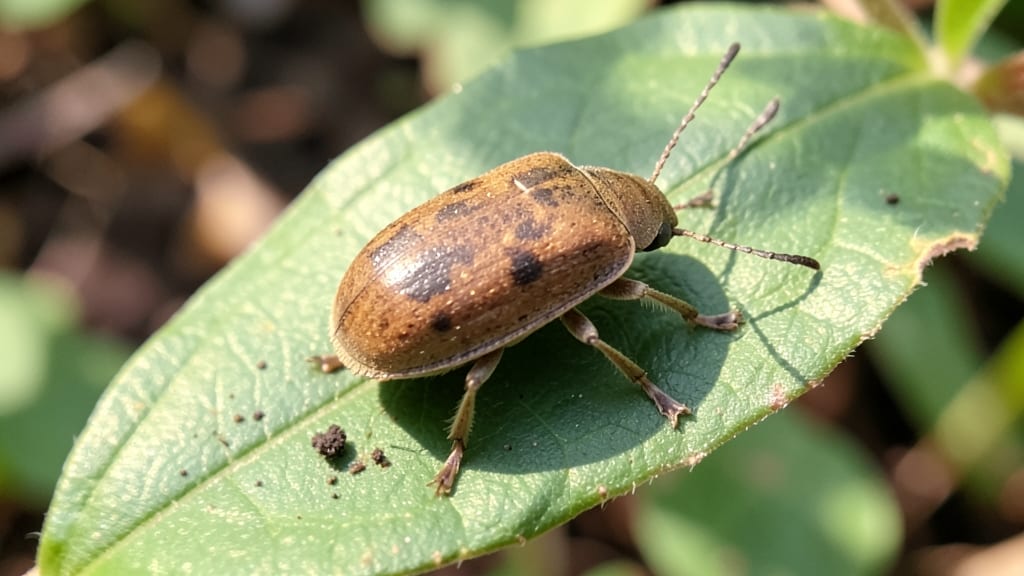
When those half-inch brown beetles start skeletonizing your roses and tomatoes, you're dealing with brown garden beetles—and the good news is you can stop them without harsh chemicals.
I've battled these striped invaders for years, and what I've learned is that a few targeted, nature-backed strategies can keep your garden thriving without wiping out the good bugs too.
The key lies in understanding their life cycle and hitting them at the right moments, not just spraying everything in sight.
These beetles aren't picky eaters—they'll chew through leaves, flowers, and even young stems, leaving behind a telltale lace-like damage that's hard to miss.
What most gardeners don't realize is that they're actually the larvae (grubs) doing most of the damage underground, while the adults are just the visible tip of the problem. The damage peaks in late spring and early summer, which is when you need to be most vigilant with your defenses.
A simple soil drench of neem oil or introducing beneficial nematodes can make a surprising difference in breaking their cycle.
You'll see results within 2-3 weeks if you combine physical barriers like row covers with organic sprays—think of it as creating a fortress where the beetles can't get in while your plants stay protected. The best part?
These methods work for tomatoes, roses, beans, and even fruit trees, making them versatile for any garden layout. The secret is consistency: check plants regularly, remove eggs by hand, and keep your garden healthy so it can bounce back faster from any feeding damage.
For larger infestations, you might need to bring out the big guns—like pyrethrin-based sprays—but even then, timing matters. Apply them in the evening when bees and other pollinators are less active, and always follow up with preventive measures.
The goal isn't just to kill the beetles, but to create a garden ecosystem where they can't take hold in the first place. Let's get your plants back to their full, lush glory without the chemical cleanup crew.
Root Causes Behind Beetle Infestations
Understanding why these beetles invade your garden is the first step to stopping them naturally. Brown garden beetles (often confused with Phyllopertha horticola or similar species) don’t just appear out of nowhere—they’re drawn by specific conditions in your yard.
Let’s break down the science behind their behavior so you can address the real triggers.
Brown garden beetles thrive in environments rich in decomposing organic matter. Their larvae, known as white grubs, feed on roots, but adult beetles are attracted to:
- Fallen fruit or overripe produce – Think dropped apples, squash, or berries left on the soil. These ferment and release sugars that beetles detect from meters away.
- Compost piles or mulch heaps – While compost is great for soil, poorly managed piles (too wet, too hot) can become breeding grounds. Beetles mistake them for a buffet.
- Lawn clippings left in thick layers – A thick mat of grass clippings traps moisture, creating a microclimate perfect for beetle eggs to hatch.
Actionable fix: Rake up fallen fruit immediately, turn compost regularly to aerate it, and avoid piling mulch against tree trunks where beetles hide.
Beetles target plants that are already struggling—whether from disease, drought, or poor nutrition. Here’s why:
- Water-stressed roots – Drought weakens roots, making them easier for grubs to chew through. Beetles sense the distress signals plants emit when thirsty.
- Nutrient deficiencies – Plants low in nitrogen or phosphorus (key for root health) become less resilient. Beetles exploit this vulnerability.
- Fungal or bacterial infections – Infected plants often ooze sap or emit volatile organic compounds (VOCs) that attract beetles as scavengers.
Actionable fix: Water deeply (1–2 inches per week) and fertilize with a balanced 10-10-10 or compost tea to boost plant defenses. Prune dead branches to reduce hiding spots.
Brown garden beetles love moist, compacted soil because it’s ideal for their larvae. Here’s the connection:
| Problem | Why It Attracts Beetles |
|---|---|
| Heavy clay soil | Holds excess water, creating anaerobic zones where grubs thrive. Adults dig into damp soil to lay eggs. |
| Overwatered lawns | Soggy soil lacks oxygen, stressing roots and making them more palatable to grubs. |
| Foot traffic or machinery compaction | Dense soil prevents roots from spreading, forcing plants to rely on shallow, beetle-prone layers. |
Actionable fix:
- Test your soil’s drainage—if water pools after 6 hours, amend with sand or perlite.
- Use a garden fork to aerate compacted areas in early spring.
- Mulch with wood chips (not leaves) to improve soil structure over time.
Beetles follow a predictable life cycle, and their activity spikes during:
- Late spring to early summer – Adults emerge to feed on foliage and lay eggs in warm, moist soil (ideal temps: 65–85°F).
- After rain – Damp soil triggers egg-laying. A single female can deposit 50+ eggs in a week!
- Dusk and night – Beetles are nocturnal and hide under debris during the day, emerging to feed when it’s cooler.
Actionable fix: Monitor your garden after rain and at dusk. Set out yellow sticky traps (they mimic flowers) to catch adults before they reproduce.
Pro tip: 🌡️ Heat can be your ally—brown garden beetles avoid temperatures above 90°F. Use row covers or mulch with black plastic in peak summer to deter them.
Effective Ways to Manage Garden Pests Naturally
Discovering large, shiny beetles munching on your prized plants can be frustrating, but the good news is that you can tackle them without harsh chemicals. The key is understanding their behavior and using targeted, eco-friendly solutions.
Below, we break down practical fixes based on the most common causes of brown garden beetle invasions, along with prevention tips to keep your garden thriving.
If your garden is already stressed from overcrowding, drought, or poor soil, brown beetles will see it as an all-you-can-eat buffet. Here’s how to restore balance:
- 🔥 Thin Out Plants Remove overgrown or competing plants to improve airflow and reduce hiding spots. Focus on nightshades (tomatoes, peppers, eggplants) and squash, which are their favorites.
- 💧 Water Deeply (But Less Often) Beetles love wilting plants. Water early in the morning to give foliage time to dry, and aim for 1–1.5 inches per week. Use drip irrigation to avoid wetting leaves, which attracts them.
- 🌡️ Boost Soil Health Amend soil with compost or worm castings to strengthen plants’ natural defenses. Healthy plants repel pests better than weak ones!
💡 Pro Tip: Mulch with straw or wood chips (not fresh grass clippings) to retain moisture and deter beetles from laying eggs in the soil.
Adult beetles are the most visible damage dealers. Here’s how to catch and eliminate them without pesticides:
- 🍎 Handpick at Dusk Beetles are most active in the evening. Shake them into a bucket of soapy water or drop them into a jar of vodka or rubbing alcohol (they’ll drown instantly).
- 🌙 Use a Black Light Trap These traps attract beetles with UV light. Place them away from your garden (they’ll still come!) and check them daily. A DIY version uses a blacklight bulb + white sheet.
- 🪰 Set Up Beer Traps Bury a shallow container filled with beer or yeast water near affected plants. Beetles are drawn to the scent and drown. Replace every 2–3 days.
⚠️ Warning: Avoid broad-spectrum sprays—they kill beneficial insects like ladybugs and lacewings that eat beetle larvae.
Beetle larvae (white grubs) feed on roots underground, often going unnoticed until plants wilt suddenly. Here’s how to stop them:
- 🔍 Dig and Destroy In early spring or late summer, loosen soil with a trowel and look for C-shaped larvae. Drop them into soapy water or a sealed bag for disposal.
- 🌱 Encourage Natural Predators Birds, toads, and parasitic wasps love grubs. Install a birdhouse or toad habitat (a small pond or damp area) to attract them.
- 🌿 Apply Beneficial Nematodes These microscopic worms (Heterorhabditis bacteriophora) infect and kill grubs naturally. Mix them with water and apply to soil in the evening.
💡 Pro Tip: Plant marigolds, catnip, or tansy nearby—their strong scents repel beetles and disrupt their life cycle.
The best defense is a proactive garden. Here’s how to keep beetles from moving in:
- 🌿 Rotate Crops Avoid planting the same family (like nightshades or cucurbits) in the same spot yearly. Beetles seek out familiar hosts.
- 🌱 Use Row Covers Lightweight floating row covers (made of fine mesh) block adults from laying eggs while allowing pollinators through.
- 🍃 Interplant with Repellents Surround vulnerable plants with basil, mint, or thyme. Their fragrance confuses beetles and masks plant scents.
- 🗓️ Stay Vigilant Check plants weekly for early signs (chewed leaves, wilting, or grubs in soil). Act fast—larvae can cause irreversible damage.
✨ Bonus: Neem oil (diluted) can deter adults when sprayed on leaves, but reapply after rain.
With these strategies, you can regain control of your garden naturally—no chemicals required! Start with one or two methods, monitor progress, and adjust as needed. A healthy, diverse garden is the best deterrent of all.
Frequently asked questions
What do brown garden beetles look like?
These beetles are about ½-inch long with a shiny brown or bronze body and distinctive light stripes along their wing covers. Look for their oval shape and slightly rounded edges—adults are often seen crawling on leaves or flying low to the ground. The larvae (grubs) are white, C-shaped, and found underground feeding on roots.
Are brown garden beetles harmful to my plants?
Yes, both adults and larvae cause damage. Adults chew irregular holes in leaves, while their larvae (grubs) feed on roots, often leading to wilting or sudden plant death. They target tomatoes, roses, beans, and fruit trees most aggressively. The key is acting fast—early intervention prevents long-term harm.
How can I tell if my plants have beetle larvae?
Check for wilting plants with no obvious drought stress, yellowing leaves, or plants that pull easily from the soil. Dig near the base—if you find white, C-shaped grubs (about ½-inch long), those are the larvae. They thrive in moist, compacted soil, so poor drainage is a red flag.
Will beer traps actually work for brown garden beetles?
Yes! Bury a shallow container filled with beer or yeast water near affected plants. Beetles are attracted to the scent and drown within hours. Replace the mixture every 2-3 days for best results. This method is chemical-free and works best in late spring to early summer when adults are most active.
Can I use neem oil on brown garden beetles?
Neem oil is effective against adults but won’t kill larvae. Mix 1 tablespoon per gallon of water and spray on leaves in the evening (it repels beetles and disrupts their feeding). Reapply after rain. For larvae, focus on beneficial nematodes or improving soil health to starve them out naturally.