Fertilization
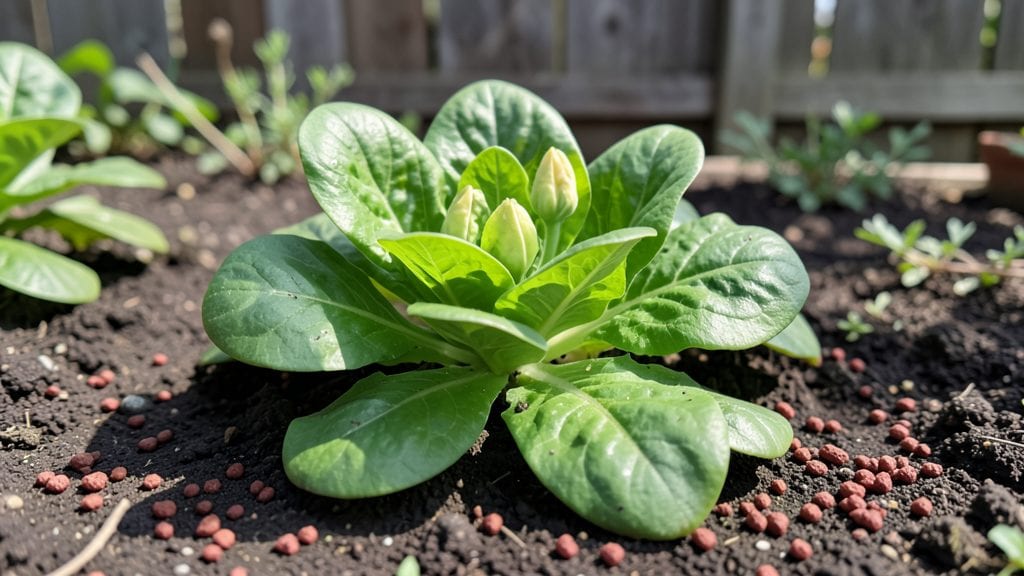
Blood meal garden fertilizer delivers a rapid nitrogen boost to soil, fueling fast leafy growth in vegetables, lawns, and flowering plants. Use it carefully—1 to 2 tablespoons per plant or 1 pound per 100 square feet—to avoid root burn, and always water it in thoroughly.
This organic fertilizer is one of the fastest nitrogen sources available, breaking down within days to feed plants directly. 🌱 Unlike slow-release options like composted manure, blood meal delivers an immediate jolt to chlorophyll production, which is why gardeners swear by it for leafy greens, corn, and lawns needing a quick green-up.
Just remember: its high concentration means precision matters—too much can scorch roots or create a temporary nitrogen overload.
For best results, apply in early spring or after harvesting to give plants a growth spurt without overstimulating late-season blooms. I like mixing it into the top 2-3 inches of soil for vegetables, while lawns benefit from light top-dressing followed by watering.
Store it in a cool, dry place—it absorbs moisture quickly and loses potency over time.
💡 In This Article
- How Blood Meal Boosts Plant Growth
- Best Plants and Application Tips for Blood Meal
How blood meal boosts plant growth
Blood meal's superpower comes from its 20% nitrogen content by weight—that's nearly double what you'd find in composted manure (around 10%). This concentrated nitrogen exists primarily as urea and ammonium, which plants can absorb almost immediately through their roots and foliage.
When applied, soil microbes convert these forms into nitrate (NO₃⁻), the plant's preferred nitrogen source, within just 2-7 days. This rapid conversion is what gives blood meal its reputation for delivering instant results compared to slower-release organic fertilizers.
The nitrogen boost directly fuels chlorophyll production, the green pigment essential for photosynthesis. Without sufficient nitrogen, plants produce less chlorophyll, resulting in pale, yellowing leaves—a condition called chlorosis.
When you apply blood meal, you'll often see vibrant green growth within 1-2 weeks, as plants ramp up their energy production. This is especially noticeable in leafy greens like spinach, where nitrogen promotes both leaf size and thickness.
The fertilizer also contains trace amounts of iron and sulfur, which work synergistically to enhance the plant's overall metabolic efficiency.
What sets blood meal apart from other organic fertilizers is its quick-release mechanism. Unlike composted manure or bone meal, which require microbial breakdown over weeks or months, blood meal's nitrogen becomes bioavailable almost immediately.
This makes it ideal for emergency greening or when you need a fast boost before a harvest. However, this rapid action also means you must use it judiciously—overapplication can lead to nitrogen toxicity, where roots struggle to absorb excess salts, causing browning and stunted growth.
For the best results, think of blood meal as a short-term growth accelerator rather than a long-term soil amendment. It's particularly effective when mixed into the top 2-3 inches of soil for vegetables or lightly sprinkled over lawns.
The key is to water it in thoroughly—this helps dissolve the nitrogen compounds and washes them into the root zone, preventing surface burn.
I've seen gardeners achieve 30-50% faster leaf production in crops like corn and lettuce when using blood meal at the right concentrations, but the effect tapers off after about 4-6 weeks as the nitrogen depletes.
Beyond nitrogen, blood meal contains small amounts of phosphorus and potassium, though these are present in minor quantities compared to its nitrogen dominance. The real magic happens when you combine it with other organic materials.
For example, mixing 1 part blood meal with 2 parts compost creates a balanced fertilizer that provides both immediate and sustained nutrition. This blend works particularly well for heavy feeders like tomatoes, which benefit from the nitrogen boost during vegetative growth while the compost provides long-term soil structure.
One aspect many gardeners overlook is blood meal's secondary role as a natural fungicide. The high protein content attracts beneficial microbes that outcompete harmful pathogens, making it a smart choice for preventing fungal diseases in damp conditions.
However, this benefit is secondary to its nitrogen function—don't use it as a substitute for proper fungal treatments when diseases are already present. The key takeaway is that blood meal isn't just about green leaves; it's about energizing your plants' entire metabolic system for faster, healthier growth. 💫