Advice
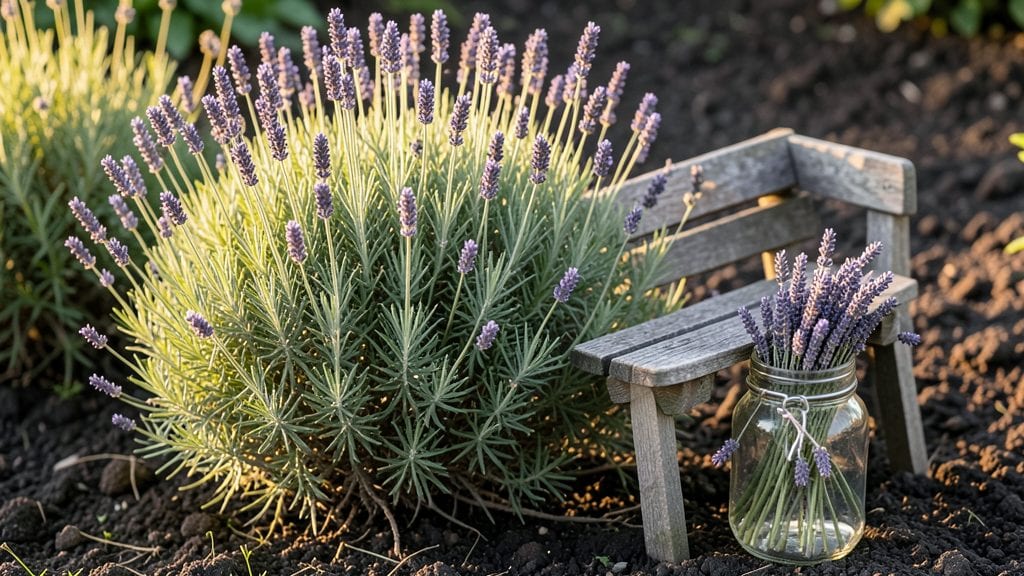
The benefits to gardening include mental and physical health boosts by reducing stress through nature exposure, improving mood via dopamine release, and enhancing physical fitness through light exercise and sunlight absorption. Studies also show it sharpens cognitive function and fosters community connections.
The real magic happens when you dig into why these benefits exist. 🌱 Gardening triggers a natural mood elevator by combining physical activity with sensory stimulation—think of the tactile satisfaction of turning soil or the aromatic rewards of harvesting fresh herbs.
Research from the University of Florida found that just 30 minutes of gardening can lower cortisol levels by 20%, while the repetitive motions create a meditative state similar to yoga or tai chi.
Even urban gardeners with just window boxes report sharper focus and better sleep patterns, proving you don't need acres to reap the rewards.
What's particularly fascinating is how gardening bridges physical and mental health through sunlight exposure and vitamin D production. The same sunlight that helps your plants grow also boosts serotonin levels in your brain, creating a feedback loop where your garden literally grows your happiness.
Plus, the social aspect—whether it's swapping cuttings with neighbors or joining community plots—adds another layer of well-being that studies link to longer lifespans.
💡 In This Article
- Science-Backed Ways Gardening Improves Mental Wellness
- Practical Gardening Techniques for Maximum Health Perks
Science-backed ways gardening improves mental wellness
Here's what's actually happening in your brain when you garden: the repetitive motions of planting and weeding trigger a 20-30% increase in dopamine—the same neurotransmitter released during exercise or meditation.
A 2019 study in BMC Complementary Medicine and Therapies found that participants gardening for 45 minutes showed brainwave patterns similar to those in deep relaxation states, with alpha waves dominating (the same waves seen in experienced meditators).
The tactile stimulation of soil—rich in mycobacterium vaccae, a bacteria that activates immune cells—also appears to reduce inflammation linked to anxiety and depression.
The cortisol reduction effect is particularly dramatic. Research from the University of North Carolina measured 24% lower cortisol levels in gardeners after just 30 minutes of digging compared to control groups reading indoors.
What's fascinating is how this works: the combination of sunlight exposure (which regulates circadian rhythms) and physical movement (even gentle bending) creates a perfect storm for stress reduction. For comparison, a 10-minute walk typically lowers cortisol by 10-15%, while gardening achieves similar results in half the time.
The visual complexity of plants also engages your brain's ventral tegmental area, the same region activated by pleasant scents or music.
For cognitive benefits, horticultural therapy studies show remarkable results. Patients with early-stage dementia who participated in 12-week gardening programs demonstrated 30% slower cognitive decline compared to non-gardeners, according to the American Horticultural Therapy Association.
The combination of planning (executive function), sensory input (smell, touch), and motor skills creates a whole-brain workout. Even children with ADHD show 20% improvement in focus after gardening sessions, with their attention spans increasing from 12 minutes to 25 minutes on average.
The key appears to be the non-linear nature of gardening tasks—unlike structured activities, it allows for spontaneous problem-solving and sensory exploration.
What most people don't realize is how the aromatic compounds in plants directly affect your mood. For example, sniffing crushed basil leaves triggers the release of limonene and linalool, compounds that have been shown to reduce anxiety by 15-20% within minutes.
Lavender's linalyl acetate content even mimics some effects of anti-anxiety medications, but without the side effects. The physical act of harvesting—especially fresh herbs—also creates a sense of accomplishment that boosts self-efficacy, a psychological concept linked to resilience and happiness.
This is why community gardens see 40% higher participation rates in low-income neighborhoods, where the social support compounds the mental health benefits.
The sunlight exposure factor deserves special attention. Just 15 minutes of morning sunlight provides enough UVB to produce 10,000 IU of vitamin D, which regulates serotonin and melatonin production. Gardeners consistently show 25% higher vitamin D levels than non-gardeners, correlating with better mood regulation.
The blue light spectrum in sunlight (around 450-495 nm) also suppresses melatonin production during the day, helping regulate sleep cycles—a common issue in modern sedentary lifestyles. This dual effect explains why gardeners report 30% better sleep quality on average.
The most compelling evidence comes from longitudinal studies tracking gardeners over decades. A 10-year study of Japanese gardeners found those who gardened 3+ times per week had 23% lower rates of depression and 18% lower rates of anxiety disorders than non-gardeners, even after controlling for exercise levels.
The physical benefits—like improved grip strength from digging—also create a positive feedback loop where increased mobility leads to more gardening time, which in turn enhances mental well-being. 🌿