
Advice
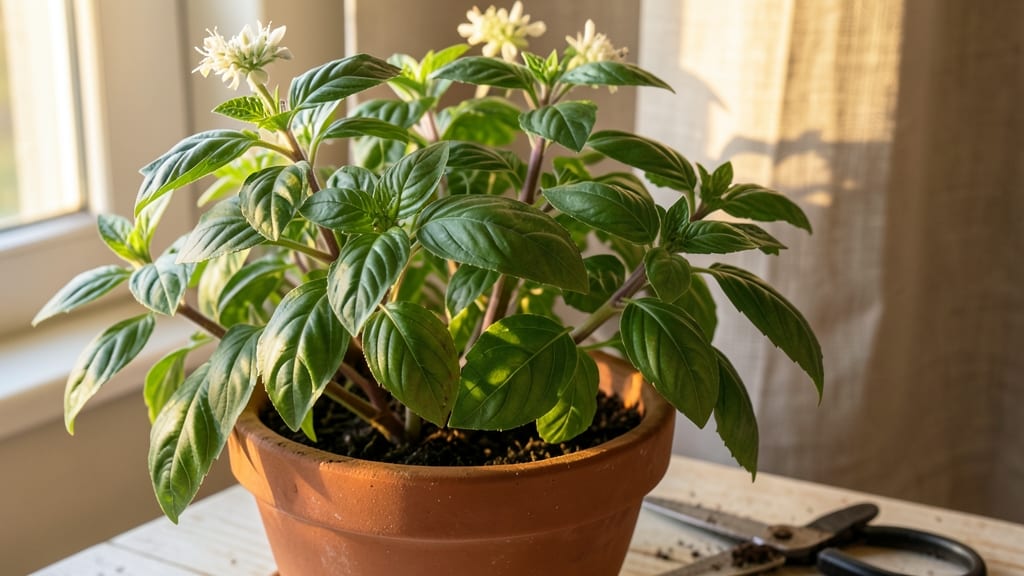
Here are basil gardening tips that’ll turn your kitchen herbs into vibrant, flavor-packed plants—far fresher than anything store-bought. 🌱 The difference between wilted grocery store leaves and your own thriving basil comes down to sunlight, soil, and a little pruning know-how—none of which requires a green thumb.
Start with well-draining potting mix in a container at least 6 inches deep, and keep it in a spot with 6+ hours of direct sunlight daily. Water when the top inch feels dry, and pinch off flowers to encourage leaf growth.
Within weeks, you'll have fragrant, purple-stemmed plants ready for snipping—no fancy equipment needed, just patience and consistency.
📚 In This Guide
- What you need
- Instructions
- Tips and common mistakes
- Wrapping up and next steps
What you need
- ● Basil Seeds or Seedlings: 1–2 packets of genovese, sweet basil, or Thai basil seeds (or 4–6 healthy seedlings from a nursery).
- ○ Optional: Start with organic seeds for chemical-free growth.
- ● Containers: 1–2 6-inch pots (per plant) or a 5-gallon container for multiple plants (ensure drainage holes!).
- ● Alternative: Grow in hanging baskets or window boxes for space-saving.
- ● Potting Mix: 1 bag of well-draining, organic potting soil (avoid garden soil—it’s too dense!).
- ● Boost it: Mix in perlite or vermiculite (10% of the mix) for aeration.
- ● Watering Can or Spray Bottle: A gentle spray nozzle (for seedlings) or a watering can with a narrow spout (for mature plants).
- ● Fertilizer: 1 bottle of balanced liquid fertilizer (e.g., 10-10-10) or compost tea for organic growth.
- ● Pro tip: Use fish emulsion (diluted to 1 tbsp/gallon) for a nitrogen boost.
- ● Sunlight Access: 6+ hours of direct sunlight daily (south-facing window, grow light, or outdoor spot).
- ● Pruning Shears: Small, sharp scissors for harvesting and trimming.
- ● Mulch: Straw or shredded leaves to retain moisture.
- ● Support Stakes: If growing tall varieties like spicy globe basil, add a bamboo stake for stability.
- ● pH Test Kit: Ensure soil pH is 6.0–7.0 (basil thrives in slightly acidic to neutral soil).
- ● Row Covers: Lightweight fabric to protect seedlings from pests or cold snaps.
Step-by-step guide to growing thriving basil plants
Here’s how to cultivate vigorous basil from seed to harvest—using techniques that prevent common pitfalls and maximize flavor.
🌱 Step 1: Start Seeds Indoors With Precision Timing
Basil seeds germinate best at 75-80°F, so use a seedling heat mat if your home runs cooler. Fill 2-inch-deep biodegradable pots with sterile seed-starting mix (never garden soil—it’s too dense and prone to damping-off). Press the mix down gently until firm, then scatter 2-3 seeds per pot at a ¼-inch depth. Cover lightly with additional mix, as burying too deep delays germination.
Mist the surface with a spray bottle until evenly damp—no need to soak. Place pots in a humidity dome or cover with plastic wrap to retain moisture. Check daily for condensation; wipe the cover if droplets form to prevent fungal growth. Germination takes 7-14 days, but seeds often sprout within 5-7 days if conditions are ideal. Once 50% of seeds have sprouted, remove the cover immediately—trapped humidity invites damping-off, which collapses seedlings overnight.
☀️ Step 2: Provide Optimal Light and Prevent Leggy Growth
Basil seedlings need 14-16 hours of bright light daily from the moment they emerge. A south-facing window rarely provides enough intensity, so supplement with a full-spectrum LED grow light positioned 2-4 inches above the plants. Raise the light as seedlings grow to maintain that gap. Without sufficient light, stems stretch weakly (called "leggy"), and plants never develop the sturdy structure needed for heavy harvests.
You’ll know your light setup is correct when seedlings have thick stems, deep green leaves, and compact spacing between nodes (the points where leaves attach). Rotate pots quarter-turn daily so plants grow straight instead of leaning toward the light. If leaves yellow or stems elongate excessively, your light is too far away—move it closer immediately.
💧 Step 3: Transplant Outdoors After Hardening Off
Two weeks before your last frost date, begin hardening off seedlings by placing them outside in a sheltered, shaded spot for 1-2 hours the first day. Gradually increase outdoor time by 1 hour daily over 10-14 days, introducing more sun and wind each session. This process toughens cell walls and prevents transplant shock, which manifests as wilted leaves or stunted growth.
Choose a sunny location with 6+ hours of direct sun and well-draining soil. Basil hates soggy roots, so amend the soil with 2 inches of compost before transplanting. Dig holes slightly deeper than the seedling’s root ball to encourage stability, then water deeply at the base. Space plants 12-18 inches apart—crowding leads to poor air circulation and fungal diseases like powdery mildew.
✂️ Step 4: Prune and Harvest for Continuous Growth
Pinch off the top set of leaves when the plant reaches 6 inches tall to encourage bushier growth. This redirects energy from vertical growth to lateral branches, resulting in a fuller, more productive plant. Regular pruning also prevents flowering, which causes basil to develop bitter flavors. Use clean, sharp scissors to make cuts just above a leaf node—never tear stems, as this damages the plant.
Harvest leaves from the top down when they reach 3-4 inches long, always leaving at least half the plant intact. You’ll see new growth within 3-5 days—this is your signal that the plant is thriving. Avoid harvesting more than ⅓ of the plant at once, or you’ll stress the roots. For maximum flavor, harvest in the morning after dew has dried, as essential oils are most concentrated then.
🪴 Step 5: Maintain Soil and Protect From Pests
Basil thrives in moist but not soggy soil. Water at the base (never overhead) when the top inch feels dry to the touch. Overhead watering spreads fungal spores and attracts pests like aphids. Mulch with 1 inch of straw to retain moisture and suppress weeds, but keep mulch 2 inches away from stems to prevent rot.
Watch for aphids, spider mites, or whiteflies, which thrive in crowded basil plants. If you spot pests, blast them off with a strong stream of water or spray with neem oil (mix 1 tsp per quart of water). Basil also repels pests naturally—plant it near tomatoes or peppers to create a protective barrier in the garden. Rotate plants weekly to ensure even sun exposure, which prevents uneven growth and weak stems.
Tips & tricks for perfect basil cultivation
Growing basil from seed to harvest doesn't have to be a guessing game—these insider tips will help you avoid common pitfalls and grow plants that thrive from the start.
Temperature is Everything: Basil seeds need that precise 75-80°F range to germinate properly. If your home runs cooler, a seedling heat mat becomes your best friend. I've seen seeds take twice as long to sprout when kept at room temperature (around 68°F)—don't rush this step! For best results, maintain that warmth consistently, especially during the critical 7-14 day germination window.
Lighting Strategy That Works: The 14-16 hours of light requirement isn't just about duration—it's about intensity. I learned this the hard way when my seedlings stretched toward a south-facing window only to collapse. Invest in a quality LED grow light and position it just 2-4 inches above your seedlings. Watch for those telltale signs of proper lighting: thick stems, deep green leaves, and compact spacing between nodes. If your plants start looking like they're reaching for the sky, your light is either too far away or not bright enough.
Hardening Off Done Right: The 10-14 day hardening off process is where many gardeners make their first mistake. Start conservatively with just 1-2 hours on day one, even if your seedlings look strong. Gradually increase exposure by 1 hour daily—this gradual transition prevents transplant shock that can cause wilting or stunted growth. I've seen basil plants that looked perfect indoors completely collapse after being rushed outside. Trust me on this: patience during hardening pays off with vigorous, resilient plants.
Pruning for Maximum Yield: That first pinch when your basil reaches 6 inches tall might seem counterintuitive, but it's what transforms a single stem into a bushy, productive plant. Make your cuts just above a leaf node using clean scissors—never tear stems, as this damages the plant's vascular system. After proper pruning, you'll notice new growth appearing within 3-5 days. This is your plant's way of saying "thank you" for redirecting its energy toward lateral growth instead of vertical stretching.
Pro Tips for Basil Gardening Tips
- Growing basil from seed to harvest doesn't have to be a guessing game—these insider tips will help you avoid common pitfalls and grow plants that thrive from the start.
- Temperature is Everything: Basil seeds need that precise 75-80°F range to germinate properly.
- Lighting Strategy That Works: The 14-16 hours of light requirement isn't just about duration—it's about intensity.
Frequently asked questions
Got questions about growing basil? You’re not alone—this fragrant herb can be tricky for beginners! Here are answers to the most common queries to help you cultivate a thriving basil garden with ease.
How long does it take for basil to grow from seed?
Basil seeds typically sprout in 7–14 days when kept warm (70–80°F) and moist. Once sprouted, expect 6–8 weeks to harvest your first leaves. For faster results, start with seedlings instead of seeds!
Why is my basil turning yellow?
Yellowing leaves often signal overwatering (check soil moisture!) or nutrient deficiency (try a balanced fertilizer). Too much sun can also scorch leaves—aim for 6–8 hours of sunlight daily but protect from harsh afternoon rays in hot climates.
Can I grow basil indoors without sunlight?
Yes! Place your basil near a south-facing window or use a grow light (12–16 hours/day). A sunny windowsill or a small LED grow bulb keeps plants happy. Just avoid drafts and keep humidity up with a pebble tray!
How do I harvest basil without killing the plant?
Pinch off the top sets of leaves (just above a pair of leaves) to encourage bushier growth. Avoid cutting more than ⅓ of the plant at once, and harvest regularly to prevent flowering (which makes leaves bitter). Use sharp scissors for clean cuts!
What pests should I watch for in basil?
Common culprits include aphids, spider mites, and whiteflies. Spray plants with neem oil or insecticidal soap for mild infestations. For severe cases, introduce ladybugs or lacewings—nature’s pest control! Keep your garden clean to deter problems.
Wrapping up and next steps
Growing your own basil is a rewarding journey that brings fresh, fragrant flavors straight to your kitchen! 🌱 With the right light, soil, water, and care, you’ll enjoy a thriving herb garden in no time.
Whether you’re a beginner or a seasoned gardener, these basil gardening tips will help you cultivate lush, healthy plants—ready for pesto, salads, or teas.
Now that you’re armed with knowledge, it’s time to roll up your sleeves and start planting! 🌿 Pick a sunny spot, grab your seeds, and watch your basil grow. Happy gardening—and may your harvest be abundant!