
Landscaping
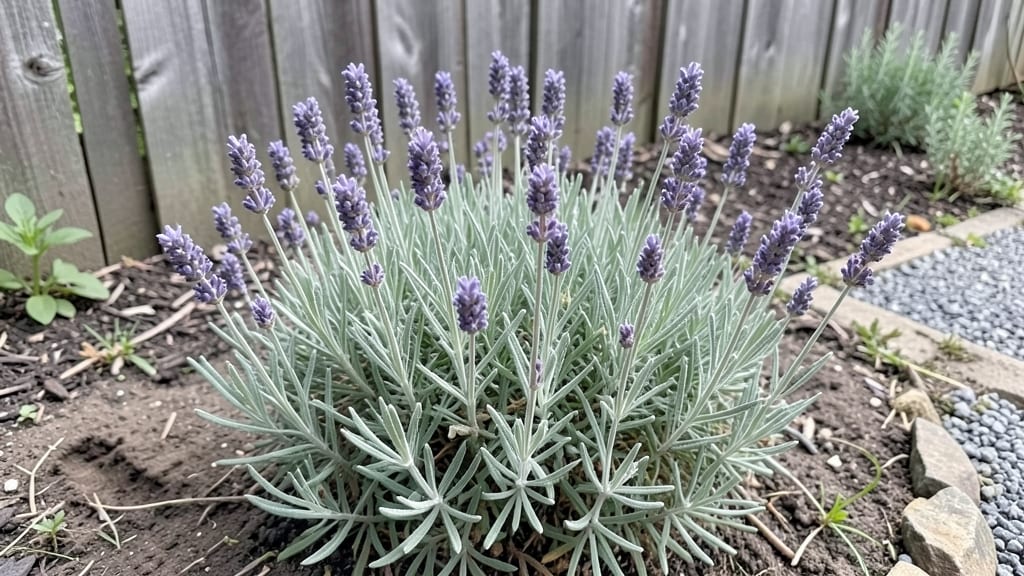
A small memorial garden in your backyard becomes a quiet place where love lingers in every leaf and stone. 🌿 I designed mine after losing my grandmother, and the act of shaping this space helped me honor her memory in a way words couldn’t. The key isn’t size—it’s intention, with each plant and path carrying meaning that grows deeper over time.
Start with a theme that reflects the person you’re remembering—maybe a serene Japanese-inspired space with hostas and maples, or a vibrant border bursting with sunflowers and coneflowers. Evergreens like boxwoods or junipers add year-round presence, while perennials ensure blooms return season after season.
A simple flagstone path or engraved stone marker can anchor the space without overwhelming it.
You’ll end up with a sanctuary that feels personal yet peaceful, where visitors can sit on a small bench and feel connected to someone they cherished. The low-maintenance plants I chose thrive in partial shade, and the layered design means no single element feels out of place.
Every detail—from the scent of lavender to the texture of smooth river rocks—becomes part of the story.
This works in any backyard corner, whether it’s a 4-by-6-foot plot or a cozy nook beside the patio. The beauty is in the quiet moments, not the upkeep. Let’s make it meaningful together.
📚 In This Guide
- What you need
- Instructions
- Tips and common mistakes
- Wrapping up and next steps
What you need
- ● Soil & Amendments: Topsoil (1–2 cubic yards, depending on garden size)
- ● Compost or organic mulch (1–2 bags, 40 lbs each)
- ● Plants & Decor: Low-maintenance perennials (e.g., lavender, hostas, or ornamental grasses—3–5 plants)
- ● Memorial elements (e.g., engraved stones, small statues, or a bench—1–2 items)
- ● Gravel or pebbles (1–2 bags, 50 lbs each, for pathways or borders)
- ● Tools: Garden trowel or hand shovel
- ● Pruners (for shaping plants)
- ● Wheelbarrow (for hauling soil/mulch)
- ● Measuring tape & string (for layout)
- ● Garden hose with spray nozzle
- ● Solar-powered garden lights (2–4 for ambiance)
- ● Wind chimes or a small fountain (for soothing sounds)
- ● Personalized plaques or engraved bricks
- ● Weather-resistant seating (e.g., a small Adirondack chair)
- ● Native plants (to attract pollinators and reduce maintenance)
Step-by-Step instructions for designing a small memorial garden
Here's how to create a peaceful, personal space that honors loved ones with thoughtful layers.
🪴 Step 1: Define the Space and Layout
Start by marking the garden's boundaries with stakes and string. For a small memorial garden, I aim for a 4x6-foot rectangle—enough room for key elements without overwhelming the space. Consider the sunlight patterns throughout the day; most memorial gardens thrive in partial shade, where delicate plants like ferns and hostas can flourish without scorching.
Sketch a rough design on paper first. Include a central focal point—like a small bench or stone—and paths that invite gentle movement. I like to place the focal point near where sunlight filters through trees, creating a naturally serene atmosphere. Measure twice before digging; this ensures your design fits the space perfectly without awkward adjustments later.
🌱 Step 2: Prepare the Soil and Add Layers
Remove grass or weeds from the area, then loosen the top 6 inches of soil with a garden fork. Mix in 2-3 inches of compost to enrich the soil naturally—this helps plants establish strong roots and thrive with less maintenance. For a small garden, a wheelbarrow of compost spreads evenly across the space.
Divide the garden into layers: a central area for the focal point, surrounding borders for plants, and a perimeter for ground cover or mulch. I often use 3 inches of mulch along paths to suppress weeds and retain moisture. Choose mulch that complements the memorial theme—cedar chips for a natural look or river stones for a more modern feel.
☀️ Step 3: Select and Plant Meaningful Plants
Choose plants that hold personal significance or symbolize qualities of the person being honored. For example, lavender represents devotion, roses symbolize love, and white flowers often signify peace. In a small space, I plant 3-5 low-maintenance perennials like hostas, heucheras, or ornamental grasses to create texture and movement.
Dig holes twice as wide as the root ball but only as deep as the container. Gently remove plants from their pots, loosen tangled roots, and place them in the holes. Fill with soil, pressing lightly to eliminate air pockets. Water deeply right after planting—this helps the soil settle and encourages roots to spread quickly. I always add a slow-release fertilizer to give plants a strong start.
✂️ Step 4: Add Memorial Elements and Finishing Touches
Incorporate elements that reflect the person’s life or interests. A small stone with their name engraved, a hand-painted ceramic tile, or even a favorite book placed on a shelf can add meaning. For a cohesive look, I coordinate materials—like using the same stone type for both the focal point and pathway edging. Add solar-powered lights to create a soft glow in the evening, enhancing the garden’s peaceful ambiance.
Finally, add a seating area if space allows—a small bench, a pair of chairs, or even a single stone for quiet reflection. I like to place seating where it faces the garden’s focal point, inviting visitors to sit and remember. Water the garden thoroughly after planting to help everything settle in, and mulch again to keep weeds at bay.
💧 Step 5: Maintain and Nurture the Space
Water the garden 2-3 times per week for the first month, then taper to once a week once plants are established. Check the soil—if the top 1-2 inches feel dry, it’s time to water. Avoid overwatering; soggy soil can harm roots and encourage pests. I set a reminder on my phone to check the garden weekly, ensuring it stays vibrant without constant attention.
Prune plants as needed to keep them healthy and shaped. Remove spent blooms from perennials to encourage more flowers, and trim overgrown foliage to maintain the garden’s neat appearance. This small memorial garden is meant to be a place of quiet reflection, so keep it tidy but natural—let it feel like a living tribute rather than a perfectly manicured space.
Tips & tricks for perfect memorial garden design
A few thoughtful touches can transform your small memorial garden from ordinary to extraordinary. Here's what I've learned after creating these spaces for loved ones.
Sunlight Strategy: In Step 1, when choosing your 4x6-foot rectangle, pay special attention to how sunlight moves through the space at different times of day. I always mark the garden's boundaries with stakes at both morning and afternoon to see where shadows fall. This helps me position the focal point where it receives filtered light—creating that magical dappled effect that feels so peaceful. Trust me on this: a little shade analysis upfront saves headaches later when plants struggle.
Soil Prep Secret: When you're loosening that top 6 inches of soil in Step 2, don't just mix in compost—think about texture too. I like to add a handful of perlite or coarse sand to improve drainage, especially if your garden sits in a low spot. The 2-3 inches of compost should feel like damp, crumbly soil when you squeeze it—not sticky or compacted. This gives your plants' roots the perfect environment to establish quickly, which is especially important for that first watering in Step 3.
Plant Selection Wisdom: For Step 3, when choosing your 3-5 perennials, consider the mature size of each plant. I always check the plant tags for "mature width" measurements and sketch them to scale on my design paper. That hosta might look cute in its 4-inch pot, but it could spread 2 feet wide! Positioning plants with their mature sizes in mind prevents overcrowding and makes maintenance easier down the road. And remember—white flowers always create that serene, timeless look that works perfectly for memorial gardens.
Memorial Element Coordination: In Step 4, when adding those personal touches like engraved stones or ceramic tiles, I recommend choosing materials that complement your existing garden elements. If you're using river stones for mulch, select a focal point stone with similar veining. For a cohesive look, I even match the color palette—soft blues and grays for calmness, or earthy tones to feel grounded. This attention to detail makes the garden feel intentional rather than haphazard.
Pro Tips for Backyard Small Memorial Garden Design
- A few thoughtful touches can transform your small memorial garden from ordinary to extraordinary.
- Sunlight Strategy: In Step 1, when choosing your 4x6-foot rectangle, pay special attention to how sunlight moves through the space at different times of day.
- Soil Prep Secret: When you're loosening that top 6 inches of soil in Step 2, don't just mix in compost—think about texture too.
Frequently asked questions
about creating a small memorial garden in your backyard—because thoughtful design deserves clarity!How small can a memorial garden realistically be?
A memorial garden can thrive in even the tiniest space—think 2’x2’ or larger! Focus on vertical elements (like engraved stones or small planters) and symbolic plants (e.g., lavender for remembrance) to maximize impact. For burials, check local regulations, as some areas allow cremation burials in compact plots.
What’s the best time of year to plant?
Spring and fall are ideal for planting perennials and shrubs, but timing depends on your climate. Cool-season plants (like pansies) tolerate light frost, while drought-resistant succulents (e.g., sedum) can be planted year-round in warm zones. Start with low-maintenance annuals if you’re planting in summer to avoid heat stress.
Can I use artificial materials (like statues or pavers) in a natural memorial garden?
Artificial elements—such as weather-resistant statues, engraved pavers, or solar-powered lights—can complement natural materials beautifully. Balance them with organic textures (wood, stone, plants) to keep the space feeling serene and intentional. Just ensure materials are durable and eco-friendly!
How do I keep a small memorial garden low-maintenance?
Opt for drought-tolerant plants (e.g., rosemary, yarrow), mulch heavily to retain moisture, and choose self-watering planters if space is tight. Group plants with similar water needs, and consider gravel or decomposed granite for pathways to reduce upkeep. A drip irrigation system can also save time!
Are there legal restrictions for backyard memorial gardens?
Yes! Check local zoning laws, burial regulations, and HOA rules (if applicable). Some areas prohibit above-ground burials or require permits for certain structures. For cremation memorials, verify if scattering ashes is allowed in your yard. When in doubt, consult your city’s planning or health department.
Wrapping up and next steps
A small memorial garden is more than just a space—it’s a heartfelt tribute that honors memories while nurturing peace in your backyard. By blending personal touches, meaningful plants, and thoughtful design, you’ve created an intimate sanctuary that reflects love, resilience, and serenity. 🌿✨
Now that you’re inspired, take the next step: sketch your vision, gather materials, and start small. Whether you plant a single tree or a winding path, every detail will carry meaning. Your garden will grow not just in beauty, but in the stories it tells.