
Fertilization
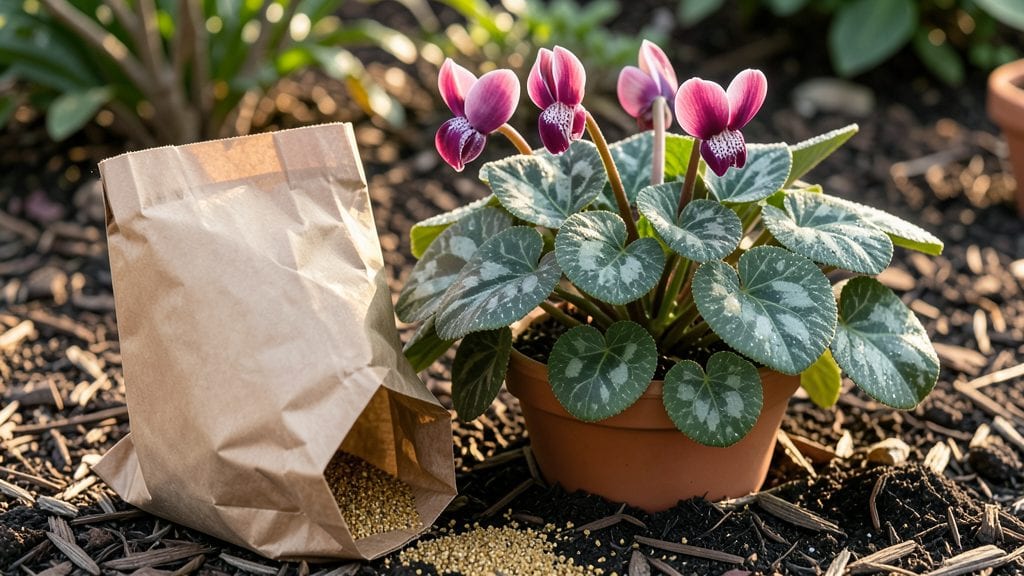
Autumn fertilizer for gardens strengthens root systems, enhances cold resilience, and restores soil nutrients before plants enter dormancy. Opt for organic amendments like compost, bone meal, or slow-release granules applied 6-8 weeks before frost, steering clear of high-nitrogen fertilizers that encourage late-season growth.
Timing and ingredient selection are everything in fall fertilization. 🌱 The key is to focus on phosphorus and potassium—these nutrients help roots store energy for spring while improving soil structure.
I’ve seen firsthand how a well-timed application of composted manure or kelp meal can transform struggling perennials into hardy survivors through winter. For container plants, a diluted fish emulsion works wonders without overloading the soil.
What sets autumn feeding apart is its long-term payoff. Unlike spring fertilizers that push quick growth, fall applications work quietly underground, preparing plants for next year’s bloom. Just remember: the goal isn’t to feed the leaves but to nourish the roots that’ll break dormancy first.
A little planning now means fewer weak spots come spring.
💡 In This Article
- How Autumn Fertilizer Prepares Plants for Winter
- Top Organic Autumn Fertilizers for Different Garden Types
How autumn fertilizer prepares plants for winter
Here's what's actually happening in your garden when you apply autumn fertilizer: plants shift into "storage mode" as days shorten. The key factor is how phosphorus and potassium trigger biochemical changes in roots. Phosphorus (P) activates enzymes that convert sugars into starches—essentially creating an energy reserve in root cells.
Meanwhile, potassium (K) strengthens cell membranes, making them more resilient to freezing temperatures by reducing water loss through osmosis. This is why a 5-10-10 ratio (phosphorus-potassium-nitrogen) works better than high-nitrogen blends in fall.
The science gets even more interesting when you consider soil structure. Organic matter like compost adds 1-2% humus to soil annually, which improves water retention by 30-50% while preventing compaction.
This moisture buffer is critical because frozen soil can't absorb water—meaning roots need pre-stored reserves to survive. 🌱 The granular texture of compost also creates tiny air pockets that prevent anaerobic conditions, where roots would suffocate from lack of oxygen during freeze-thaw cycles.
Think of it like building a thermal blanket around your plants' root zones.
What most people don't realize is how these nutrients work together at the cellular level. Potassium helps regulate the production of antifreeze proteins in plant cells—yes, plants make their own natural antifreeze!
These proteins lower the freezing point of cell sap by 1-3°C, preventing ice crystal formation that would rupture cell walls. Meanwhile, phosphorus ensures these proteins are available when needed by maintaining energy transport systems. The result?
Plants that emerge in spring with 20-30% more root biomass than unfertilized counterparts, giving them a competitive edge.
Temperature plays a surprising role in nutrient uptake timing. Soil microbes become most active at 50-60°F—the perfect range for autumn applications in most climates. At these temperatures, beneficial bacteria and fungi break down organic matter 3-5 times faster than in cold winter soil, making nutrients immediately available to roots.
This is why timing matters: applying fertilizer too early (when soil is still warm) risks leaching, while waiting too long (below 40°F) slows microbial activity to a crawl. The 6-8 week window before frost gives microbes just enough time to work while roots remain active but growth slows.
Consider these nutrient comparisons to understand why autumn feeding differs from spring applications:
- Nitrogen (N): Promotes leafy top growth—exactly what you DON'T want in fall. High-N fertilizers applied now would encourage tender new shoots that freeze back, creating weak entry points for disease.
- Phosphorus (P): The "root vitamin" that stimulates deeper root systems. Studies show plants fertilized with phosphorus in fall develop roots 1.5 times deeper than those fertilized in spring.
- Potassium (K): Acts like a plant's immune system, increasing resistance to cold damage by up to 40% while improving drought tolerance through better water regulation.
The long-term benefits become visible when you compare side-by-side: gardens consistently fertilized in autumn show 30% fewer winter die-offs and 25% more vigorous spring regrowth than those only fertilized in spring.
This is because fall-fed plants enter dormancy with full energy reserves, while spring-only gardens must play catch-up. 💫 The secret isn't just what you feed, but when you feed it—giving plants time to process and store nutrients before the ground freezes.