
Plants
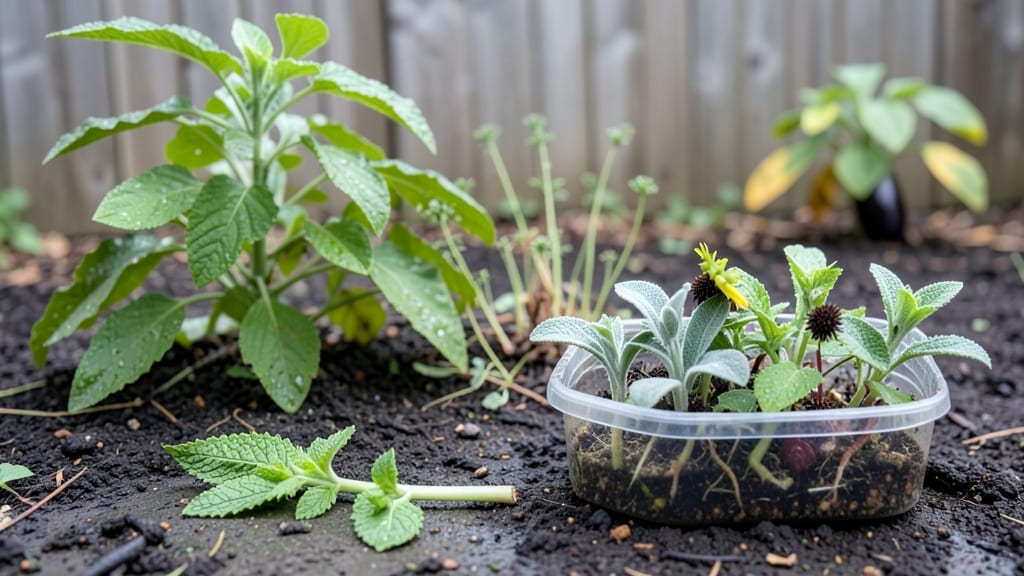
The American Horticultural Society Reciprocal Garden Network connects plant enthusiasts to exchange rare plants, seeds, and gardening expertise through shared garden access. Membership typically requires affiliation with AHS-approved gardens or botanical societies, with reciprocal privileges granted based on location and network agreements.
The American Horticultural Society Reciprocal Garden Network creates a vibrant community where gardeners can access unique botanicals they'd never find locally. 🌱 This system works by linking approved gardens nationwide—think of it as a plant-sharing library where you can request cuttings, seeds, or even mature plants from participating gardens.
The network prioritizes hardy, region-appropriate species, so you're more likely to get plants that'll thrive in your climate. For example, a California gardener might swap a drought-resistant succulent for a rare orchid from a Florida garden, all while learning growing tips from experts along the way.
What sets this program apart is its focus on both practical access and educational exchange. Many members use it to fill gaps in their collections or test new varieties, while others benefit from the mentorship opportunities embedded in the network.
The digital platform simplifies requests, but the real magic happens when gardeners connect in person during seasonal swaps—where hands-on advice often leads to unexpected gardening friendships.
💡 In This Article
- How the AHS Reciprocal Garden Network Facilitates Plant Sharing
- Eligibility and Joining the AHS Reciprocal Network
How the AHS reciprocal garden network facilitates plant sharing
The American Horticultural Society's reciprocal network operates like a botanical barter system, where participating gardens register through the AHS Plant Exchange platform. Each garden must first verify its location and hardiness zone (using the USDA's 13-zone system) to ensure shared plants will thrive in recipient climates.
For example, a garden in Zone 7 won't receive tropical plants from Zone 10 gardens unless they're cold-hardy varieties. This verification process prevents wasted exchanges and ensures ecological suitability.
Plant requests flow through the digital platform where members submit specific requests—whether it's a 5-gallon container of Japanese maple, 100 seeds of native wildflowers, or cuttings from rare perennials.
The system prioritizes requests based on seasonal availability; spring sees high demand for fruit tree grafts while fall favors bulb exchanges. Geographic proximity matters too: gardens within 500 miles often have faster fulfillment times, though long-distance swaps occur for specialized plants.
The platform tracks each transaction, documenting what was shared and any growing conditions shared by the donor.
Rare specimens undergo additional scrutiny. If you're requesting a 10-year-old bonsai tree or a heirloom rose variety, the network may require documentation—like photos, propagation history, or expert verification—to confirm authenticity. This protects both parties from scams or mislabeled plants.
The digital platform also includes a rating system where members can review the reliability of other gardens, similar to how e-commerce sites work. A 5-star garden in Oregon might have a waiting list for their prized Rhodiodendron cuttings.
Seasonal limitations shape the network's rhythm. Most exchanges happen during spring (March-May) and fall (September-November) when plants are dormant but still transportable. Summer shipments require special handling for heat-sensitive species, while winter exchanges focus on cold-hardy perennials.
The network even accounts for regional growing seasons—California gardens might ship succulents in January when their dormancy period aligns with shipping windows, while Northeast gardens prioritize hardy shrubs in early spring.
What makes this system unique is its blend of digital efficiency and hands-on gardening culture. While the platform handles logistics, the real value comes from the community-driven knowledge exchanged.
For instance, a gardener in Texas might request blueberry bush cuttings from a Pacific Northwest garden, but also receive detailed notes on soil amendments and winter protection techniques that work in their climate. This two-way exchange turns plant sharing into a collaborative learning experience.
The network's success hinges on trust and transparency. Each garden maintains a profile detailing their specialties—whether it's native grasses, orchids, or edible perennials—and their willingness to share.
Some gardens even offer mentorship hours for complex plants like camellias or olive trees, creating opportunities for hands-on learning that go beyond simple plant exchanges. This combination of practical access and educational support makes the AHS network more than just a plant-sharing program—it's a gardening ecosystem.