
Planting
Zone three gardening thrives with cold-hardy perennials like coneflowers, black-eyed Susans, and Russian sage, while early spring planting (after last frost) suits cool-season crops such as kale, spinach, and peas. Fall is ideal for bulbs like tulips and daffodils, which survive harsh winters. Layer mulch to protect roots from freeze-thaw cycles, and extend seasons with cold frames or row covers.
One of the biggest advantages of gardening in Zone 3 is selecting plants that naturally thrive in these conditions—like hardy shrubs such as butterfly bush or catmint, which not only survive but often flourish with minimal care. 💫 The key is leveraging the dormancy cycles of perennials, which store energy underground during winter and burst back to life when temperatures rise, while cool-season vegetables like broccoli or radishes grow quickly before summer heat sets in.
Microclimates play a huge role too—south-facing slopes warm faster in spring, while shaded areas stay cooler longer. This means you can sometimes push planting windows earlier or later than the general guidelines, depending on your specific yard layout.
For example, a cold frame can extend the growing season by 4-6 weeks in both spring and fall, giving you more flexibility with delicate crops like lettuce or herbs.
💡 In This Article
- Understanding USDA Zone 3 Climate and Plant Survival
- Zone 3 Planting Calendar: When to Start Seeds and Transplants
Understanding USDA Zone 3 climate and plant survival
Zone 3's brutal winters (-30°F to -40°F) force plants to develop specialized survival mechanisms. The key is dormancy—a metabolic slowdown triggered by cold temperatures.
Plants like Russian sage and coneflowers produce antifreeze-like proteins that prevent ice crystal formation in their cells, while their deep root systems (often extending 3-5 feet) store carbohydrates to fuel regrowth.
Evergreens like juniper use waxy needles to reduce water loss, but they're more vulnerable to winter burn from wind and salt exposure. 🌡️
Short growing seasons (typically 90-120 days between last frost) demand plants with rapid growth cycles. Cool-season crops like spinach (harvestable in 30-40 days) or peas (ready in 60-70 days) outpace heat-sensitive varieties.
Perennials like black-eyed Susan store energy in their roots during winter, while annuals like marigolds complete their life cycle before summer heat arrives. The trade-off? Annuals require replanting yearly, while perennials establish deeper root systems over time for better cold resilience.
Microclimates create local variations within Zone 3 gardens. A south-facing wall can add 10-15°F of warmth, allowing earlier planting of heat-loving crops like tomatoes in protected microclimates. Conversely, low-lying areas with poor drainage may experience 5-10°F colder temperatures due to cold air settling.
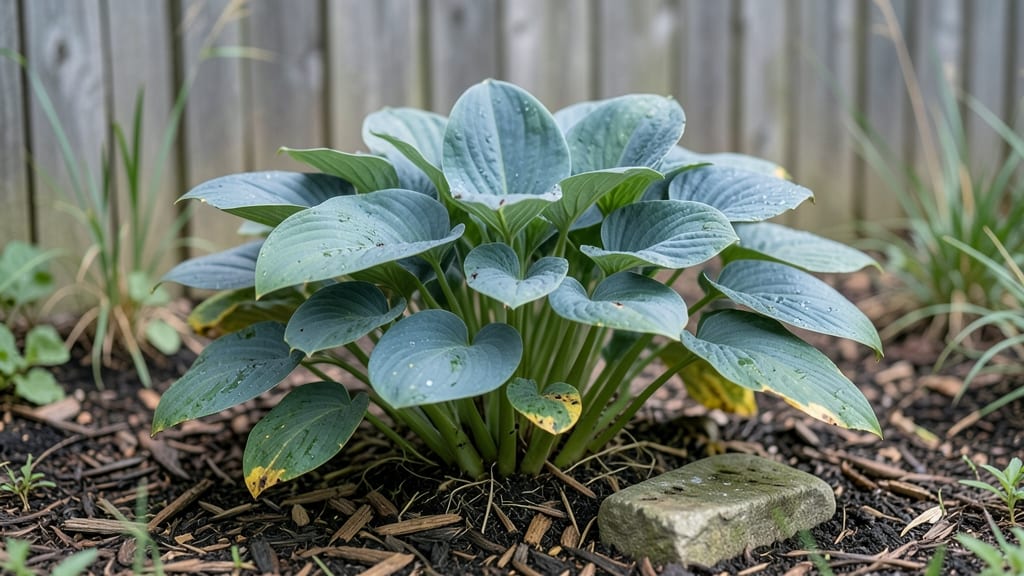
This is why Russian sage thrives in exposed areas while hostas (hardy to -30°F) prefer sheltered spots. Understanding these variations lets you optimize plant placement for maximum success. ✨
Freeze-thaw cycles are the real villain in Zone 3. When water expands as it freezes in soil pores, it can rupture plant roots. That's why layered mulch (3-4 inches of straw over compost) acts as insulation, maintaining 5-10°F warmer soil temperatures and protecting roots from temperature swings.
For evergreens, burlap wraps prevent winter desiccation by reducing wind exposure. The science here is about thermal mass—darker mulches absorb more solar radiation during the day to slowly release heat at night.
Plant hardiness isn't just about minimum temperatures—it's about cold acclimation. Most Zone 3 plants enter dormancy when days shorten below 12 hours of light, triggering biochemical changes that increase their cold tolerance. This is why fall-planted bulbs like tulips need 6-8 weeks of chilling to bloom properly.
Without this cold period, they'll remain dormant. The same principle applies to fruit trees: apple varieties like 'Honeycrisp' require 400-600 hours below 45°F to set fruit properly. 🍏
Here's what most gardeners overlook: soil health amplifies cold hardiness. Well-drained soils with 2-3% organic matter provide better insulation than clay soils. Amending with compost improves water retention, helping plants recover faster from freeze events.
For container gardening, insulated pots (like those wrapped in bubble wrap) can extend the growing season by 2-3 weeks compared to standard plastic pots. The difference in root zone temperature can be 5-8°F warmer in insulated containers.
Mastering Zone 3 gardening comes down to working with nature's rhythms. By selecting plants with deep roots, dormancy adaptations, and rapid growth cycles, you're essentially building a garden ecosystem that mirrors the region's natural resilience.
The most successful Zone 3 gardens treat winter as a partner rather than an obstacle—using cold periods to strengthen plants for the short but intense growing season. 🌱