
Flowers
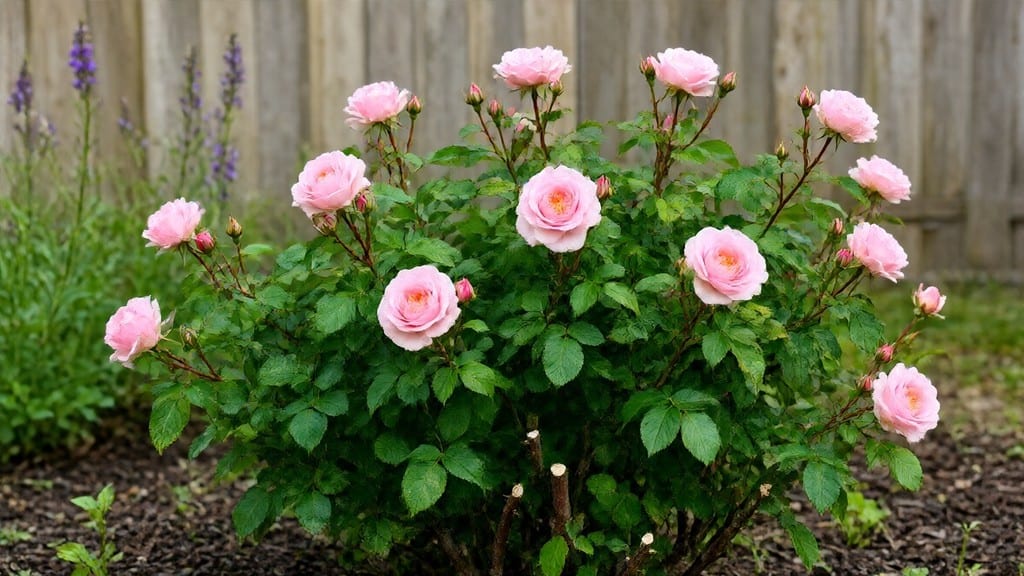
People while flower gardening focus on planting seasonal blooms, pruning dead stems, weeding, mulching soil, and monitoring for pests or diseases to ensure healthy growth and vibrant displays. Regular watering and fertilizing also play key roles in maintaining thriving gardens year-round.
Beyond the basics, flower gardeners often experiment with companion planting to boost blooms—pairing marigolds with tomatoes, for example, naturally deters pests while enhancing growth. 🌸 I’ve also noticed that many gardeners keep a small notebook to track bloom cycles and soil amendments, which helps them adjust care routines as plants mature.
This proactive approach turns gardening from a chore into a rewarding science of observation and adaptation.
Another key aspect is the art of "deadheading" spent blooms, which isn’t just about looks—it redirects a plant’s energy toward producing more flowers instead of seeds. Plus, seasonal rotations (like swapping out spring bulbs for fall mums) keep gardens dynamic and pest-resistant.
The best part? Even small adjustments, like adjusting watering schedules during heatwaves, can transform a struggling patch into a lush paradise.
💡 In This Article
- Seasonal Flower Gardening Tasks Breakdown
- Essential Flower Garden Maintenance Tools and Tips
Seasonal flower gardening tasks breakdown
Seasonal timing isn't just about aesthetics—it's rooted in plant biology and climate science. Flowers like tulips and daffodils need chilling periods (6-8 weeks below 40°F) to bloom properly in spring, which is why gardeners plant bulbs in fall (October-November) in most U.S. zones.
Meanwhile, summer-blooming plants such as zinnias thrive when soil temperatures reach 60-65°F, making late spring the ideal planting window. The key factor is matching each plant's natural growth cycle with your local frost dates and heat patterns.
Pruning and deadheading follow strict seasonal logic too. Removing spent blooms from roses in summer stimulates 2-3 more flushes of flowers by preventing seed formation, while fall pruning (after first frost) prepares perennials for winter dormancy.
In warmer climates (zones 8-10), gardeners might deadhead year-round, but in colder regions (zones 3-5), this work pauses during winter. The science here involves auxin hormone regulation—when you cut back stems, the plant redirects energy to lateral buds instead of seed production.
Soil preparation varies dramatically by season. Spring calls for amending beds with compost (1-2 inches) to replenish nutrients after winter, while fall focuses on mulching (3-4 inches) to insulate roots.
The texture difference matters too: spring mulch should be coarse (like straw) to allow moisture penetration, while fall mulch (like shredded leaves) provides insulation. In desert climates (zones 9-10), gardeners might skip fall mulching entirely to prevent winter rot from excess moisture.
Pest cycles dictate many seasonal tasks. Japanese beetles emerge in late June-July, so gardeners in their path apply neem oil treatments then, while aphids thrive on new spring growth. The timing of these interventions prevents pests from establishing colonies.
For example, planting marigolds in early spring creates a natural barrier against nematodes, while late-summer dahlia cuttings help break pest cycles by removing infected foliage before winter.
Climate zones create dramatic variations in schedules. In zone 5, gardeners might plant tender annuals (like petunias) only after Memorial Day when soil warms to 55°F, while zone 10 gardeners can plant these same flowers in winter (December-February).
The rule of thumb is to plant when average nighttime temperatures stay above 50°F for at least 2 weeks. This aligns with each plant's minimum germination temperature, which varies from 40°F for snapdragons to 70°F for sunflowers.
What most people overlook is how moon phases influence planting timing for some flowers. Root crops (like beets) planted during the waxing gibbous phase develop deeper roots, while leafy greens thrive during the waning crescent.
This ancient practice works because lunar gravity affects water distribution in soil—something modern gardeners are rediscovering for 20-30% larger yields in certain conditions.