
Landscaping
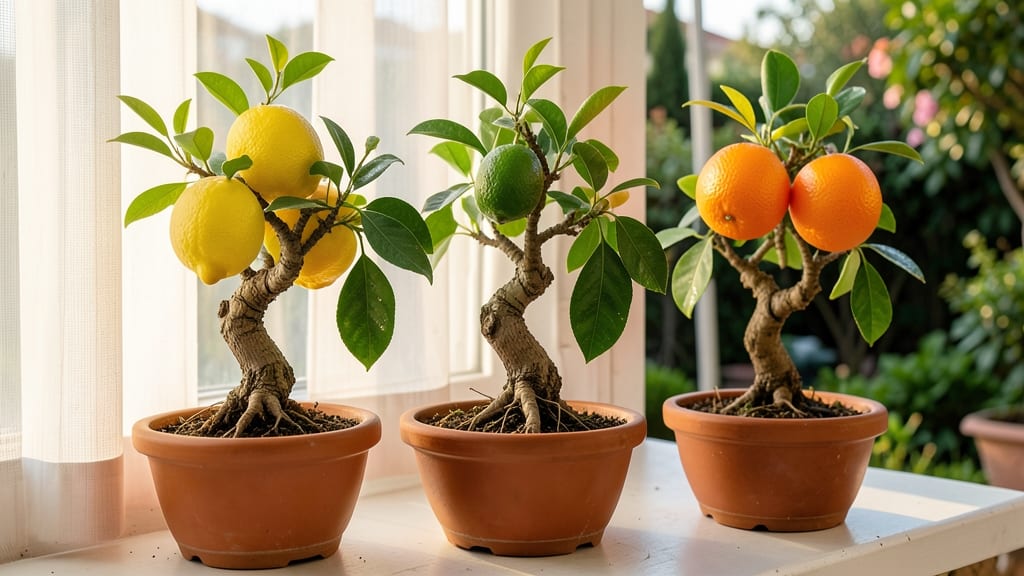
Transform your garden into a multi-sensory retreat where every step, scent, and touch creates a calming or invigorating experience. These ten sensory garden ideas blend plants that stimulate sight, smell, taste, sound, and texture—perfect for therapeutic spaces, family-friendly yards, or simply enhancing daily outdoor enjoyment.
Fragrant Lavender and Rosemary Pathway
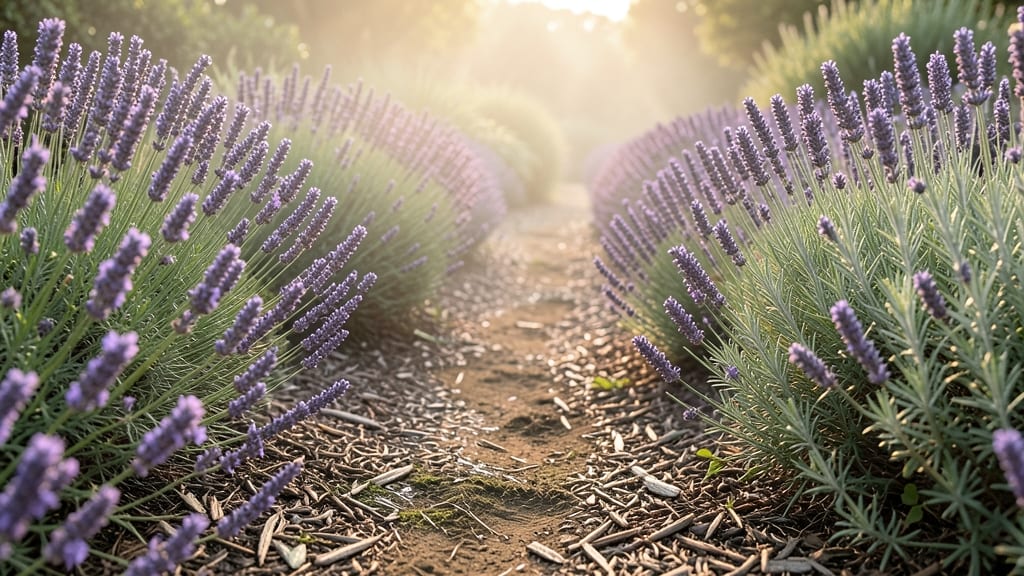
Transform your morning routine into a mini meditation with a fragrant lavender and rosemary pathway. This simple yet powerful design invites you to crush aromatic leaves underfoot, releasing calming scents that instantly reduce stress—ideal for early risers or anyone seeking a mindful moment.
Plant lavender along the edges for its drought-resistant purple blooms and rosemary in the center for its silvery-green foliage and woody fragrance. Both thrive in full sun (6+ hours daily) and require minimal water once established. Prune lavender lightly after flowering to encourage bushiness, while rosemary benefits from occasional trimming to maintain shape.
Perfect for busy gardeners, this pathway requires almost no maintenance beyond occasional weeding and seasonal pruning. The combination of visual beauty, soothing aromas, and tactile textures makes it a therapeutic escape—whether you're strolling to start your day or winding down in the evening. 🌿
Edible Herb Spiral Garden
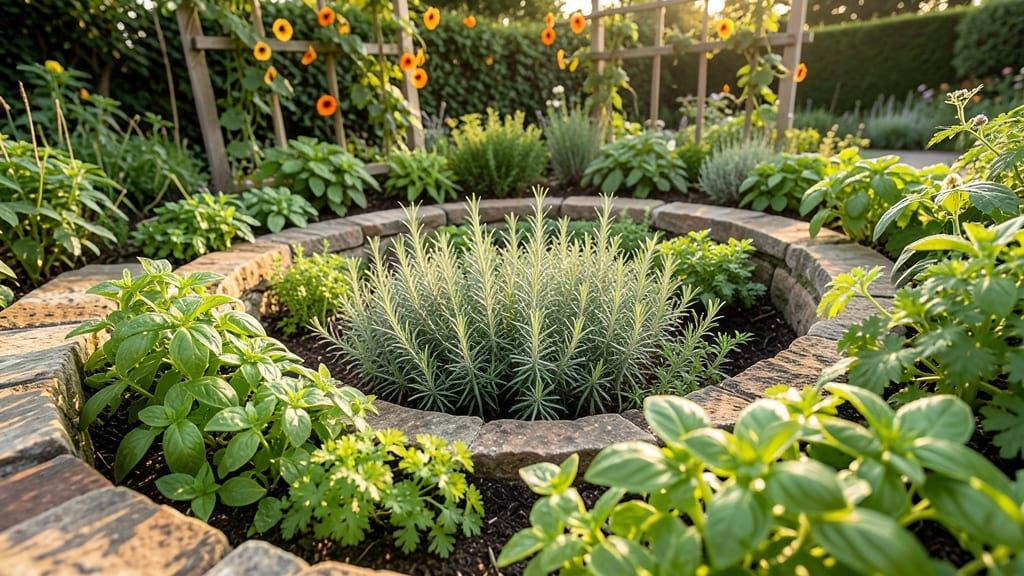
Turn your garden into a culinary playground where every leaf you touch has a purpose—and a flavor! An edible herb spiral garden combines the joy of harvesting fresh ingredients with the sensory delight of vibrant colors, fragrant leaves, and textured foliage. It’s the perfect project for kids who love to "cook" in the garden or adults who crave homegrown herbs for their kitchen.
Design your spiral by placing fast-spreading mint at the center (where it won’t overtake other plants), surrounded by thyme and basil along the outer edges. The spiral shape maximizes space in small gardens while ensuring each herb gets the right amount of sun (4-6 hours daily) and well-draining soil. Add a wooden trellis for climbing basil to create vertical interest, and let children pinch leaves to release their signature scents—mint’s cool freshness, thyme’s earthy warmth, and basil’s sweet aroma.
This garden thrives with minimal effort, offering year-round harvests (with winter protection in colder climates) and a tactile experience that’s as rewarding as the flavors. It’s the ultimate bridge between gardening and the dinner table! 🌿
Crunchy Pine Cone and Fern Ground Cover
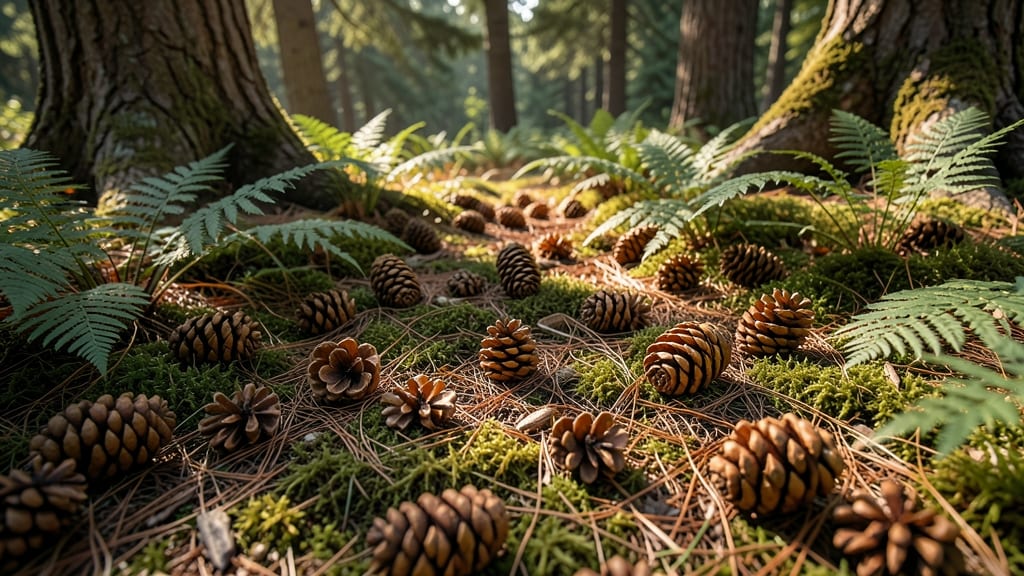
Step into a woodland wonderland with a pine cone and fern ground cover that engages your senses in unexpected ways. The combination of rustling ferns and crunchy pine cones underfoot creates a soothing auditory experience, while their textures invite tactile exploration—perfect for barefoot gardeners or those seeking a natural retreat.
Plant low-growing ferns like maidenhair or autumn fern alongside scattered pine cones for a forest floor effect. These shade-tolerant plants thrive in partial to full shade, making them ideal for woodland gardens or under trees. Add a layer of moss for extra softness, and let the pine cones provide both visual interest and that satisfying crunch when walked upon.
This design is ideal for gardeners who love woodland aesthetics or want to create a serene, multi-sensory space. It’s especially beneficial for those with mobility challenges who enjoy the sensory experience of nature without strenuous maintenance. 🌿
Velvet-Leafed Lamb’s Ear and Statice
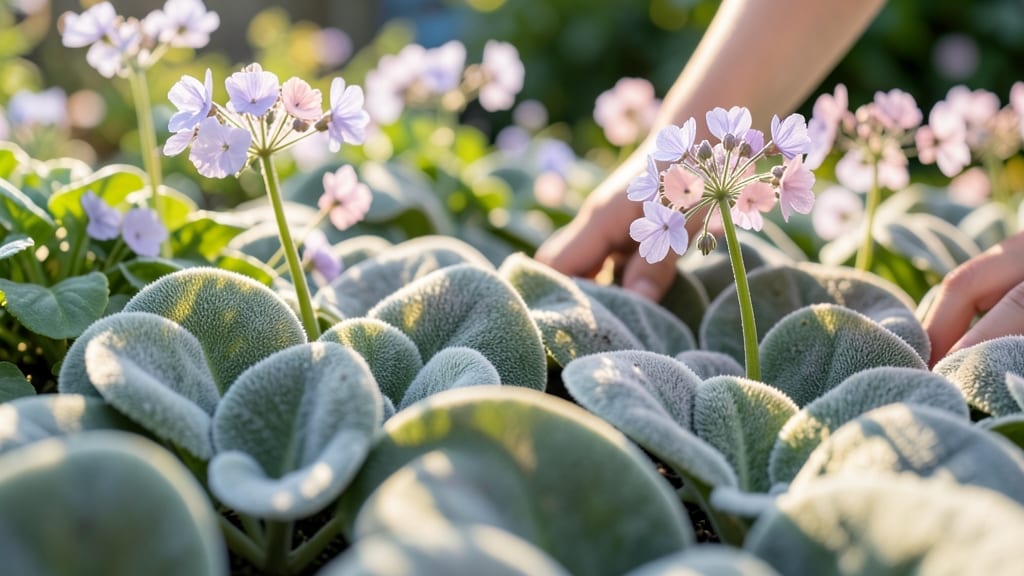
Imagine a garden where children can safely explore textures without fear of prickles or sticky sap—velvet-leafed lamb’s ear and statice deliver that dream with their ultra-soft, fuzzy foliage and delicate paper-like blooms. These plants turn every garden visit into a tactile adventure, especially for little hands or those who rely on touch to experience the outdoors.
The silvery-green lamb’s ear leaves feel like plush velvet, while statice blooms (in shades of pink, white, or lavender) have papery petals that crinkle pleasantly when touched. Both thrive in full sun to partial shade and require minimal watering once established, making them ideal for drought-prone areas or forgetful gardeners. Plant them in raised beds or containers for easy access, and pair them with low-growing thyme to create a sensory-friendly border.
This combination is perfect for therapeutic gardens, schoolyards, or accessible landscapes where safety and sensory engagement matter most. The long-lasting blooms (statice stays fresh when cut) even make great bouquets for tactile enjoyment indoors. 🌷
Hummingbird-Friendly Honeysuckle Vine
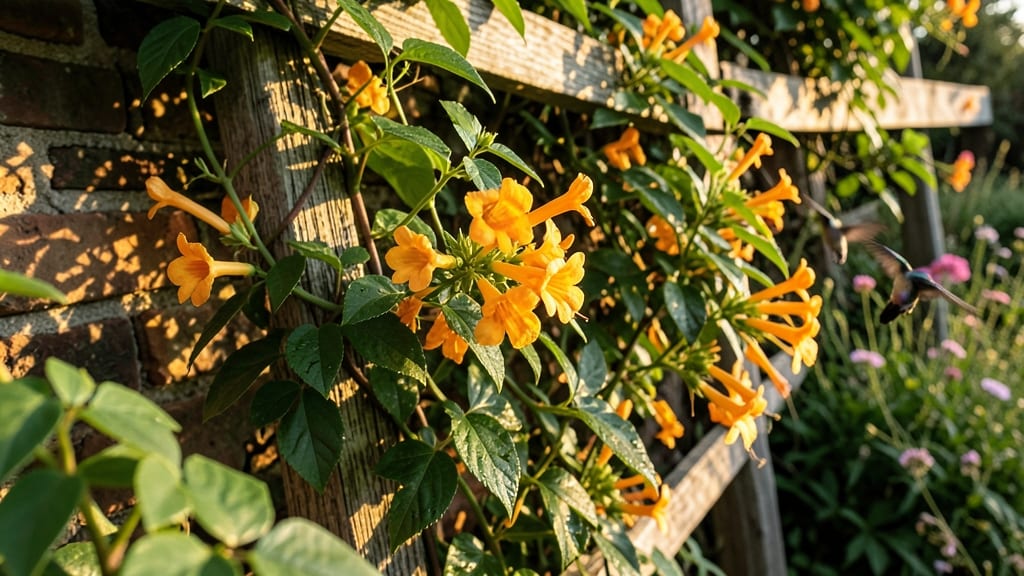
Turn your garden into a living symphony with hummingbird-friendly honeysuckle vine, a fragrant climber that transforms sunlight into a buzzing, chirping melody. This vigorous vine thrives in full sun and produces tubular, orange-yellow flowers that hummingbirds adore, creating a dynamic auditory experience as they dart and hover.
The sweetly scented blooms also attract bees, filling the air with a natural hum while adding visual contrast to vertical spaces. Plant it along trellises, fences, or arbors to maximize its climbing potential, and prune lightly after flowering to encourage bushier growth. Perfect for urban balconies or country gardens, it’s equally stunning in containers or sprawling across pergolas.
This vine is a must for pollinator enthusiasts and anyone who loves the sound of nature in motion. 🌟
Moonlight Garden with Night-Blooming Jasmine
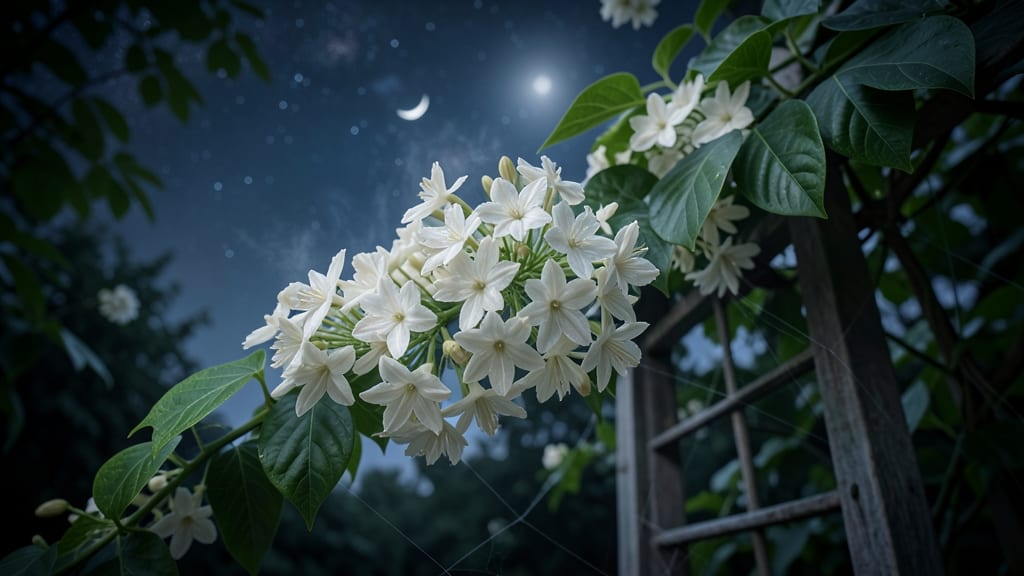
Transform your evening garden into a fragrant oasis with night-blooming jasmine—a plant that turns dark nights into a sensory dream. Its creamy white flowers and intoxicating scent reach their peak after sunset, creating a magical atmosphere perfect for unwinding after dinner or stargazing.
This low-light tolerant vine thrives in partial shade, making it ideal for patios, trellises near seating areas, or garden nooks where moonlight can highlight its delicate blooms. Plant it near a window or deck where you can enjoy its fragrance while relaxing. With minimal care—just occasional pruning to shape its growth—jasmine rewards you with year-round fragrance and occasional blooms, even in cooler months.
Perfect for urban gardeners with limited space or anyone who loves a romantic evening garden, jasmine’s nocturnal beauty turns ordinary evenings into extraordinary sensory experiences. ✨
Crisp Ice Plant and Sea Thrift Succulents
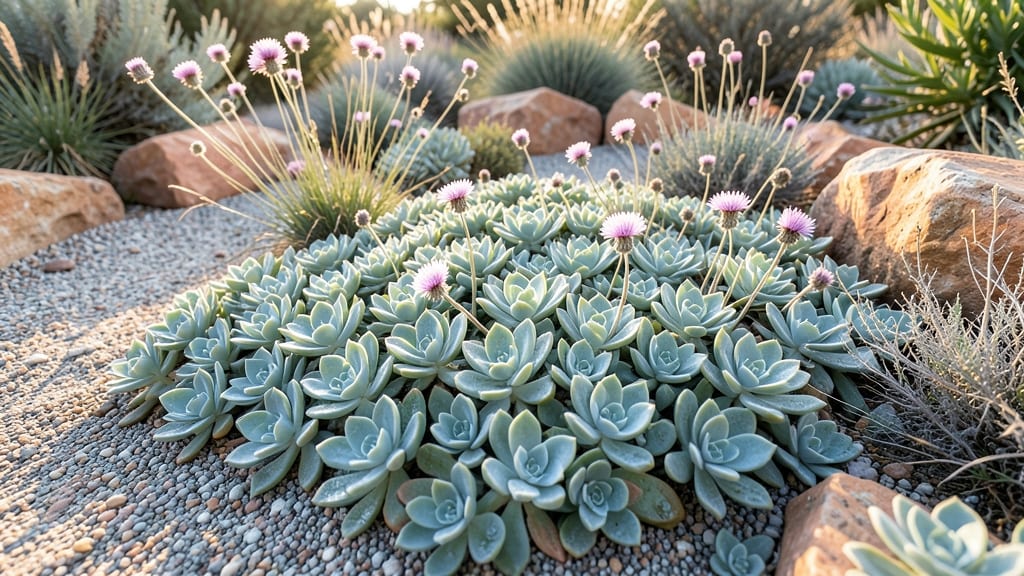
If you crave a garden that feels like a cool, crisp desert escape without the fuss, ice plant (Delosperma) and sea thrift (Armeria maritima) deliver that signature blue-green crunch underfoot. Their thick, waxy leaves create a striking visual contrast against warm-toned landscapes, while their compact growth makes them perfect for modern or minimalist designs.
These drought-proof succulents thrive in full sun with just weekly watering once established, making them ideal for hot climates or low-water gardens. Ice plant’s tiny white daisies add delicate blooms in spring, while sea thrift’s puffball flowers bring airy texture. Plant them in well-draining soil with pebbles or gravel for a polished, arid look that’s easy to maintain.
Urban gardeners and desert landscapers will love how these plants add cool tactile contrast to sunbaked spaces—no scent, but a satisfying visual and textural punch. 💚
Bubblegum Pink Snapdragons and Catmint
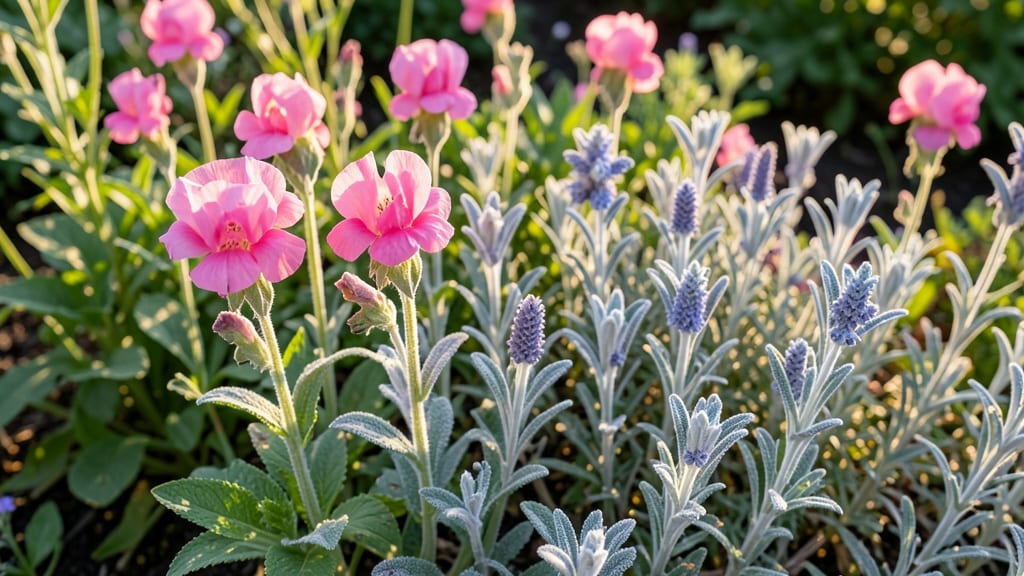
Brighten your sensory garden with bubblegum pink snapdragons and catmint—a playful duo that delights both eyes and hands. The velvety stems of catmint and the snapdragons’ whimsical, dragon-mouth-shaped blooms create a tactile experience kids (and adults!) will love to explore.
Plant them in full sun for vibrant colors, and enjoy their pollinator magnet appeal—bees and butterflies adore their nectar. Both are biennials, meaning they’ll self-seed year after year, giving you fresh blooms with minimal effort. Pair them with lavender for a fragrant, low-maintenance border.
This combination is perfect for family gardens or pollinator-friendly spaces, offering both beauty and hands-on fun. 🌻
Water Feature with Watercress and Cattails
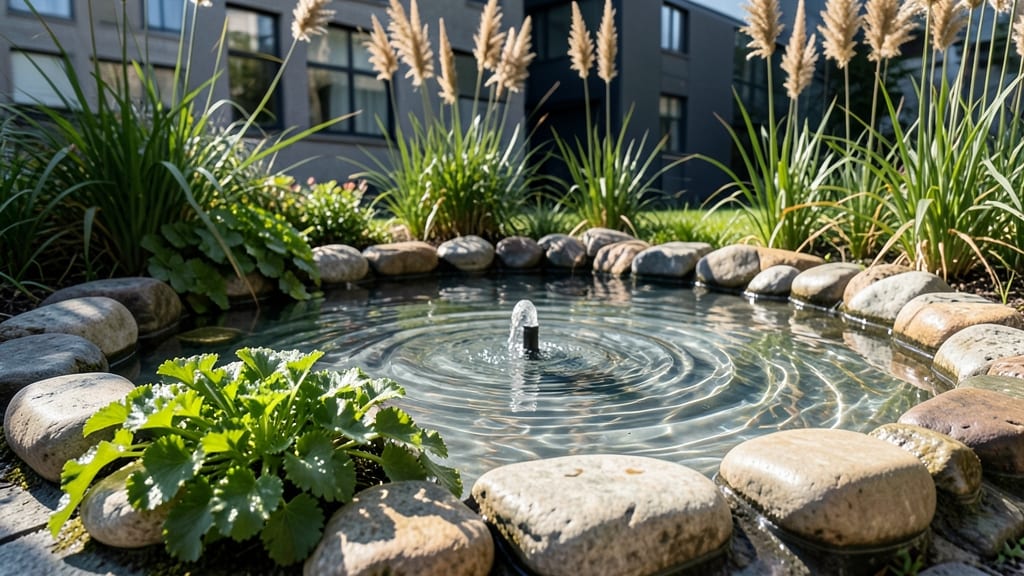
Transform even the tiniest corner into a tranquil water garden with a water feature that doubles as a sensory haven. The gentle ripple of moving water paired with the crisp, peppery taste of watercress and the feathery texture of cattails creates a multi-sensory experience that’s perfect for urban spaces or small backyards.
Start with a shallow container or pre-formed pond liner (as small as 2x3 feet) filled with 6–12 inches of water. Float watercress in the shallow edges—its bright green leaves are edible and thrive in cool water, while cattails planted along the edges add vertical interest and rustling texture. Add a solar-powered fountain or bubbler for soothing sound, and you’ve got a low-maintenance focal point that attracts dragonflies and hummingbirds.
This combo is ideal for urban gardeners or anyone who loves fresh greens—harvest watercress in 4–6 weeks for salads, and let the cattails sway in the breeze for a touch of natural whimsy. 🌿
Scented Citrus and Bay Leaf Bonsai

Bring the fresh, zesty scent of a Mediterranean orchard into tiny spaces with a scented citrus bonsai—miniature lemon, lime, or orange trees paired with fragrant bay leaves. These compact wonders deliver year-round citrus aromas without requiring a full garden, making them ideal for balconies, sunrooms, or even windowsills.
Start with a dwarf citrus variety like 'Meyer lemon' or 'Calamondin orange', which thrive in partial sun (4-6 hours daily) and containers. Add bay leaves (Laurus nobilis) for their glossy, aromatic foliage—simply tuck a few around the base or train them into the bonsai’s design. Prune regularly to maintain shape, and enjoy the glossy textures and bright citrus scents that brighten any room. 🌻