
Landscaping
Transform your backyard into a hands-on learning playground with these preschool garden ideas. Designed to spark curiosity, develop fine motor skills, and teach early science concepts, these spaces grow both plants and young minds.
Sensory Herb Garden With Touchable Textures
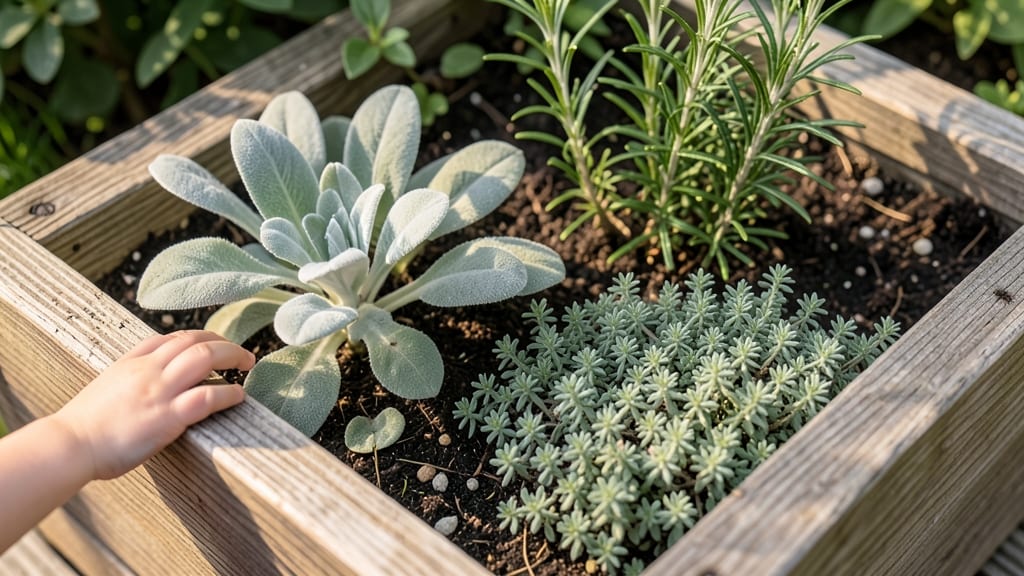
Turn learning into a hands-on adventure with a sensory herb garden that lets kids explore textures while growing their own food. This tactile playground combines velvety lamb’s ear, spiky rosemary, and fuzzy thyme—each offering a unique sensory experience that engages little fingers and curious minds.
Plant these herbs in a raised wooden bed (easy for tiny hands to reach) and let children rub the soft leaves, sniff the fragrant stems, and even taste the edible varieties like thyme. Lamb’s ear feels like a cloud, rosemary provides a prickly contrast, and thyme’s fuzzy stems invite gentle exploration. Water together as a group to teach teamwork and responsibility.
This garden is perfect for tactile learners and preschoolers who thrive on hands-on discovery. It’s also a great way to introduce edible plants while keeping the focus on fun and sensory exploration. 🌿
Bug Hotel For Mini Entomologists
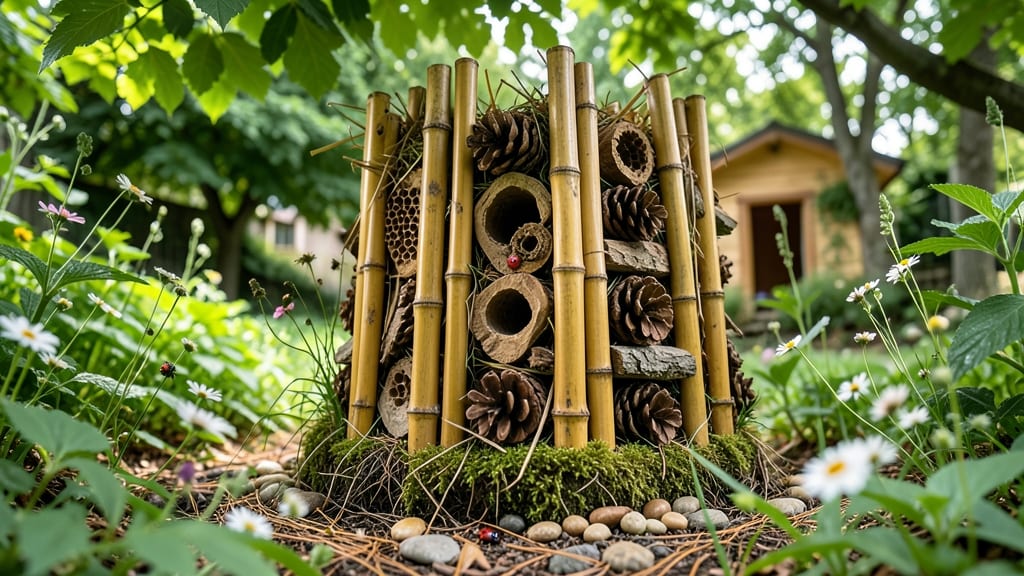
Turn your little scientists into bug detectives with a bug hotel—a cozy, natural habitat that invites ladybugs, bees, and beetles to move in. This isn’t just a garden decoration; it’s a living science lab where kids can observe tiny ecosystems up close.
Build your hotel using bamboo stakes for bees, pinecones for ladybugs, and drill holes in wood for beetles. Place it near sunny shrubs and check daily with a magnifying glass to spot visitors. Keep a simple journal to record sightings—like a real entomologist!
Perfect for curious kids who love exploring, this project teaches patience and curiosity while fostering a love for nature. Plus, it’s mess-free and works in any backyard! ✨
Giant Seed Bomb Planters
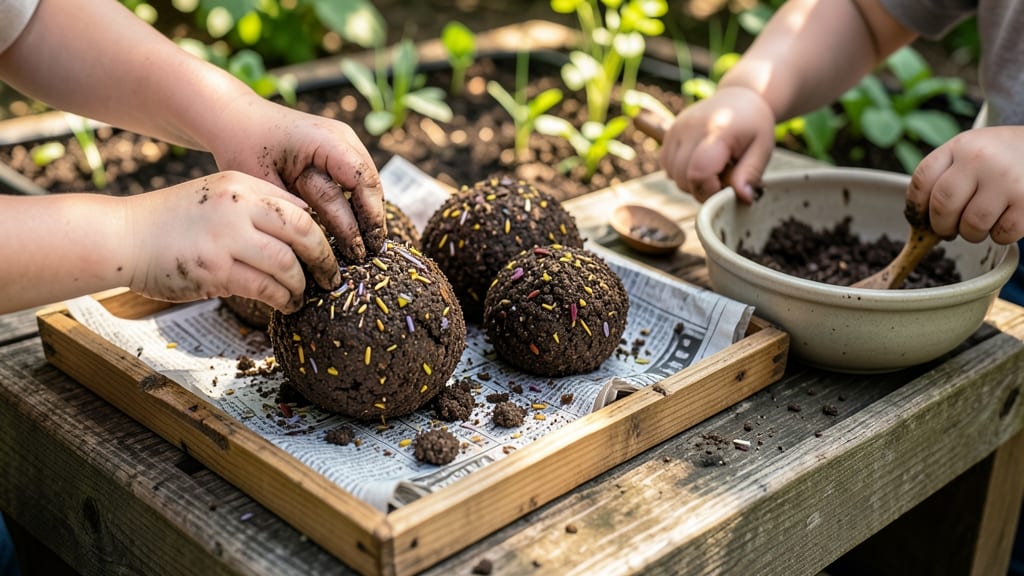
Turn messy playtime into an ecology lesson with giant seed bombs—kids mix clay, soil, and native wildflower seeds to create colorful "bombs" they’ll toss into vacant lots or garden beds. This hands-on project teaches biodiversity while giving them a front-row seat to nature’s transformation.
Start with air-dry clay (non-toxic, like Crayola) mixed with potting soil and fast-growing wildflower seeds (like cosmos or black-eyed Susans). Roll into 2-inch balls, let dry overnight, then toss them into prepared soil. Within weeks, kids will watch vibrant blooms emerge where once there was bare earth.
Perfect for urban gardeners or families with limited space—these seed bombs work in cracks of pavement, community gardens, or even pots. The mess is minimal, the payoff is instant gratification, and the lesson sticks long after the flowers fade. 🌻
Vertical Veggie Wall With Climbing Friends
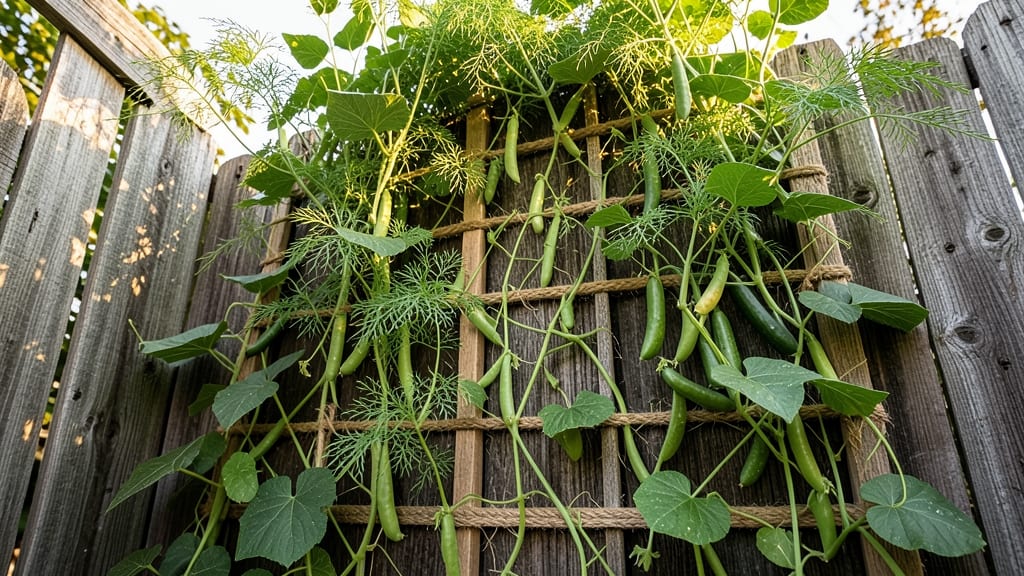
Turn tiny spaces into a vertical harvest with a climbing veggie wall that grows peas, beans, and cucumbers without taking up precious ground space. This project transforms a simple fence or trellis into a living lesson on how plants use support systems to reach for the sun—perfect for curious little hands.
Start with a DIY wooden trellis or repurpose an old ladder for support. Plant sugar snap peas and bush beans in early spring, followed by cucumbers as temperatures warm. Kids can help tie vines to the trellis with soft twine, teaching them about plant growth patterns while watching their harvest climb skyward. Water consistently and harvest pods every 2-3 weeks for a steady supply of fresh veggies.
This idea is ideal for urban gardeners or families with limited yard space, giving kids a front-row seat to nature’s engineering. Plus, the edible rewards make science feel like a delicious adventure! 🌱
Mud Kitchen For Future Chefs
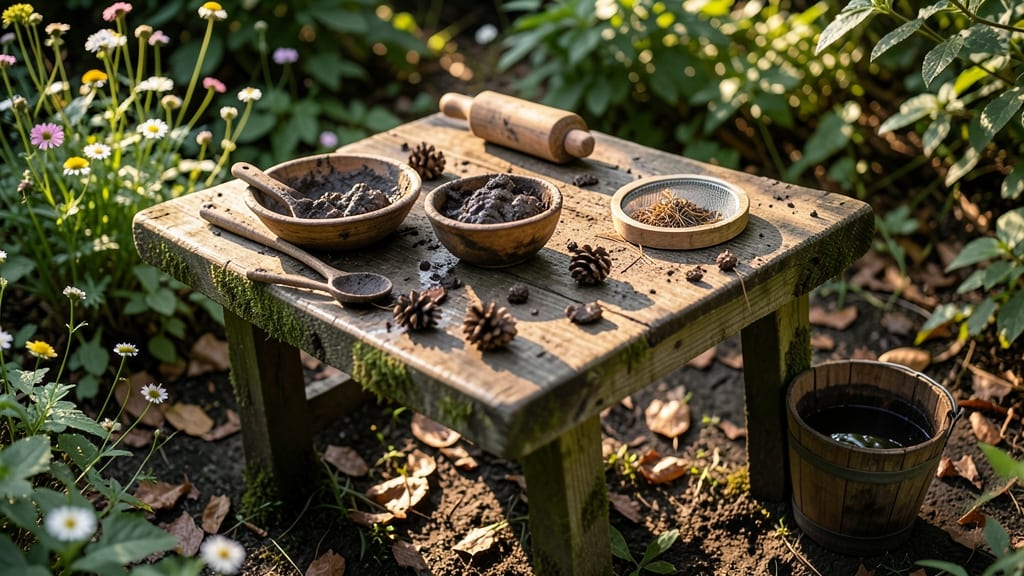
Unleash your little one’s creativity with a mud kitchen—a sensory-rich outdoor station where they can stir, mix, and "cook" with real tools like wooden spoons, bowls, and sieves. This isn’t just play; it’s a storytelling adventure where mud becomes "soup," leaves turn into "herbs," and pinecones transform into "spices."
Build a simple station using a sturdy wooden table or pallet placed under a shady tree. Stock it with child-safe tools (avoid metal for safety) and natural ingredients like damp soil, fallen leaves, and flower petals. Let them experiment with textures—smooth stones as "plates" or twigs as "stirring sticks." The mess is part of the fun, but a water spray bottle keeps cleanup easy.
Perfect for imaginative play lovers and sensory seekers, this setup teaches cause-and-effect while letting kids connect with nature’s raw materials. Plus, it’s a great way to build fine motor skills without screens! 🌿
Sunflower Seed Counting Garden
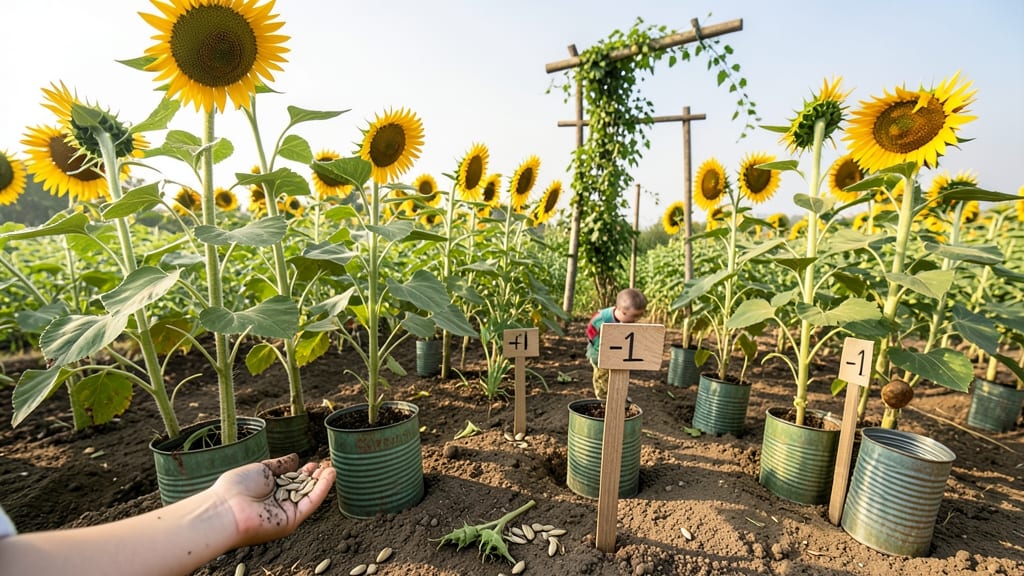
Turn math class into a sun-soaked adventure with a sunflower seed counting garden, where every seed planted becomes a lesson in addition, subtraction, and growth patterns. This hands-on activity lets kids practice counting while watching their towering sunflowers (up to 12 feet tall!) grow from tiny seeds into vibrant blooms.
Start by dividing a small plot into numbered rows (e.g., 1, 2, 3, 4) and plant 10 seeds per row for easy counting. Use a simple chart to track growth weekly—measure height, count leaves, or tally how many flowers bloom. Dwarf sunflower varieties (like ‘Teddy Bear’) are perfect for little hands, maturing in just 60-70 days. Add a twist by letting kids predict which row will grow the tallest!
This project is ideal for homeschoolers or classroom gardens, blending early math skills with the excitement of watching nature unfold. Plus, the bright yellow blooms attract pollinators, turning learning into a living ecosystem. ✨
Fairy Garden With Hidden Pathways
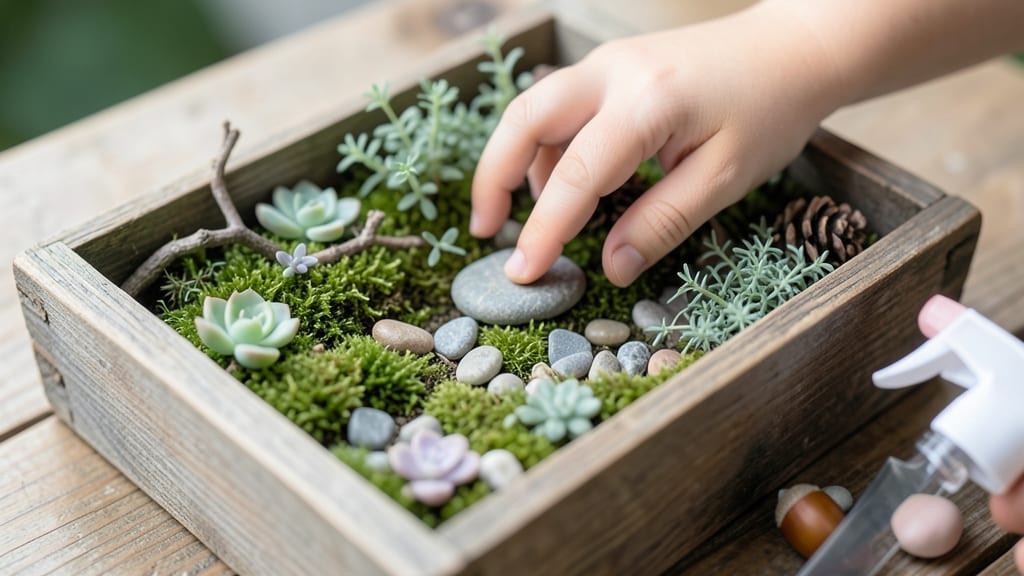
Turn your child’s playtime into a miniature ecosystem adventure with a fairy garden where every pebble and path tells a story. Use a shallow container (like a repurposed tray or wooden box) filled with moss, tiny succulents, and creeping thyme to create a lush, low-maintenance base—kids can arrange their own winding paths with smooth stones or twigs.
Add whimsical elements like miniature mushrooms (crafted from clay or bought), tiny bridges (made from bark or sticks), and fairy doors (cut from wooden scraps). Encourage them to solve problems like "How will the fairies cross the stream?" or "Where should the toadstools go?" This hands-on design teaches spatial reasoning and empathy—they’ll care for their tiny world just like a real gardener!
Perfect for urban balconies or backyard corners, this project requires no digging and thrives in partial shade. Watch their creative confidence bloom as they transform empty space into a magical hideaway. ✨
Rainwater Collection Station
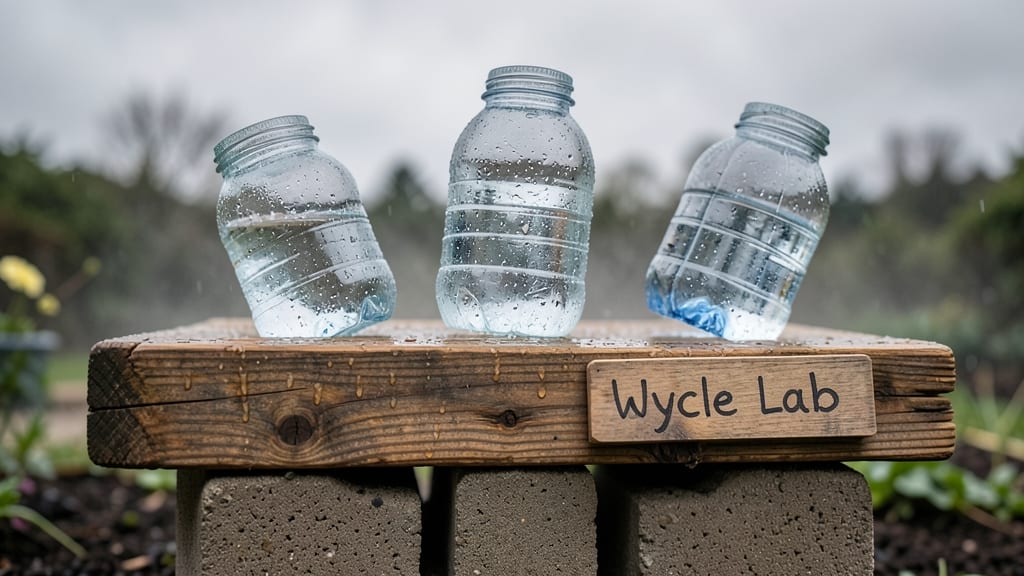
Turn a rainy day into a science lesson with a rainwater collection station that lets kids witness the water cycle firsthand. Clear plastic bottles or jars mounted on a wooden stand become living laboratories where they can observe how rain transforms from liquid to vapor—and back again—while repurposing it to water plants.
Start with colorful, transparent containers (like soda bottles with funnels) placed under a gutter or roof overhang. Label them with numbers or plant names to track evaporation rates—kids can measure water levels daily and discuss why some containers dry faster than others. After collecting, let them use the watered-down rainwater to hydrate drought-tolerant plants like sunflowers or marigolds, reinforcing the connection between conservation and growth.
This project is perfect for eco-conscious families or classrooms teaching sustainability. The hands-on experiments make abstract concepts like water conservation and renewable resources tangible—plus, it’s a great way to discuss weather patterns while keeping little hands busy outside. 💡
Glow-in-the-Dark Plant Markers
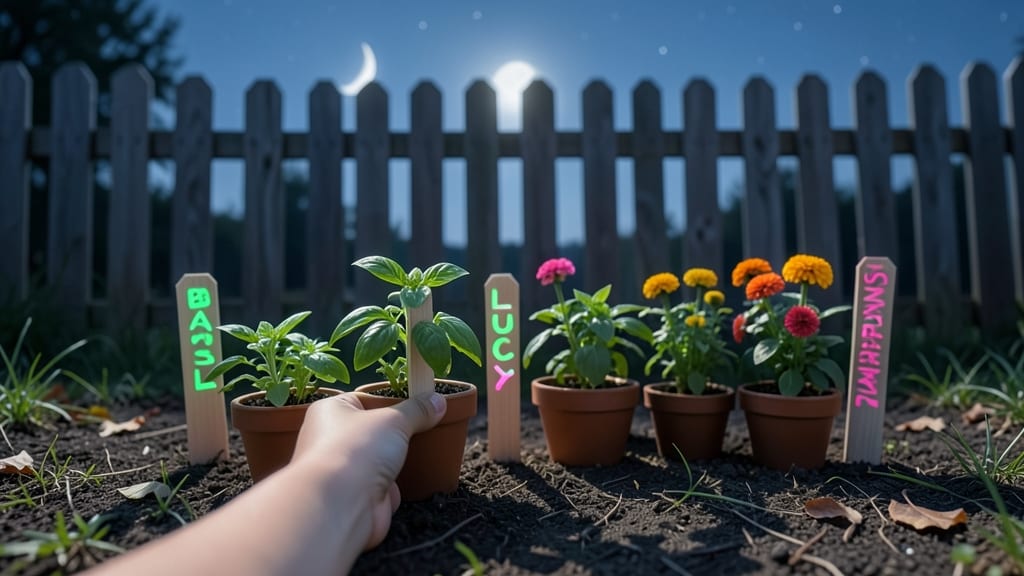
Turn nighttime garden visits into a magical literacy lesson with glow-in-the-dark plant markers! Let kids personalize their own labels using non-toxic glow paint—they’ll love watching their names or plant types light up after sunset while reinforcing spelling and ownership.
Start with simple wooden sticks or recycled yogurt cups as bases. Use water-based glow paint (available at craft stores) for safe, long-lasting markers that recharge under sunlight. For extra fun, let them add constellations or silly faces to match their plants—like a smiling sunflower or a starry basil plant.
This project works best for beginner gardeners who want to blend creativity with learning. Kids gain confidence in reading labels while taking pride in their glowing garden—perfect for bedtime plant checks or weekend gardening adventures! ✨
Compost Bin With Worm Friends

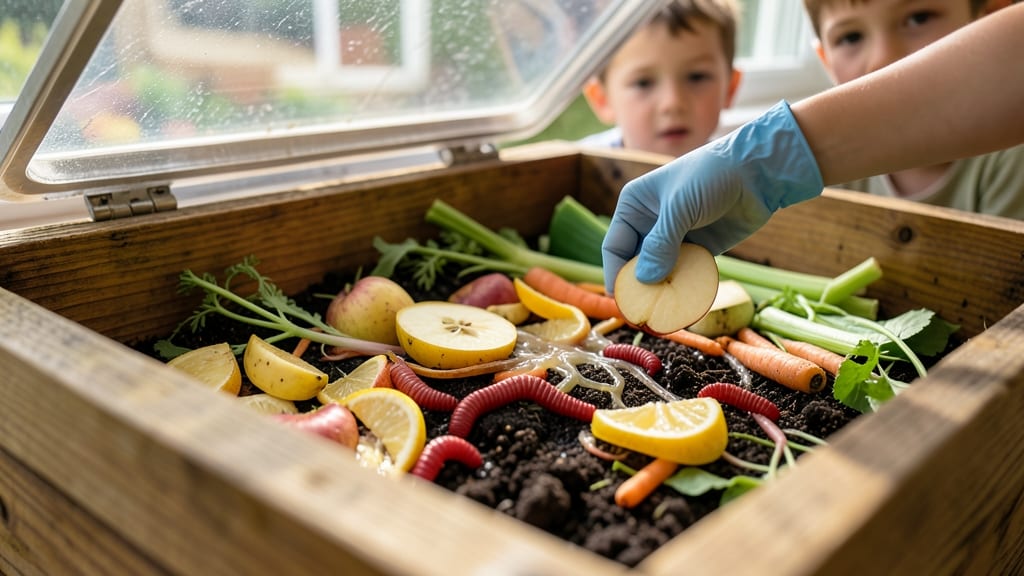
Turn kitchen scraps into a living science lesson with a compost bin full of worm friends—where kids become eco-scientists observing how nature recycles. This hands-on project lets them feed red wigglers (not earthworms) fruit peels and veggie trimmings, then watch as the worms transform waste into rich, dark compost over weeks.
Start with a clear plastic bin (so kids can see the action!) and drill small holes for airflow. Add shredded newspaper, soil, and a handful of worms—then let the kids add food scraps (avoid citrus or meat). They’ll learn about decomposition, patience, and responsibility as they check on their worms weekly. The finished compost can fertilize the garden, closing the circle of life.
Perfect for urban families or classrooms with limited space, this bin teaches sustainability while giving kids a front-row seat to nature’s recycling system. 💚