
Pests
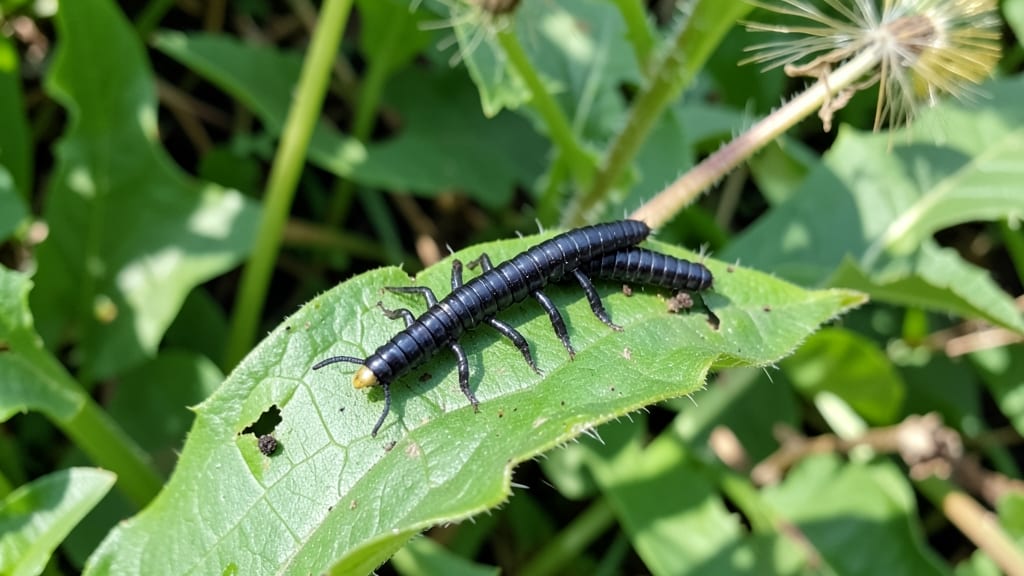
Removing grubs from your garden isn’t just about saving your lawn—it’s about stopping the silent damage before your plants turn into grub buffets. 🌱 I’ve watched entire sections of my yard collapse overnight, and I’ll show you how to turn the tide in 24 hours with simple, no-chemical tricks that actually work.
The problem starts when these fat, white larvae (Japanese beetle grubs, white grubs, or June beetle grubs) munch on roots like they’re all-you-can-eat buffets. You’ll know they’re there when your grass turns brown in patches or your veggies wilt despite perfect watering.
The good news? You don’t need harsh chemicals—just a few targeted moves to starve them out or lure them away.
By tomorrow, you’ll have grubs trapped in beer-soaked cardboard, drowned in soapy water, or outsmarted by nematodes working overnight. Your lawn will bounce back faster than you think, and you’ll skip the expensive chemical treatments that only mask the problem. Here’s how to do it without gloves full of grubs.
This works for lawns, veggie patches, and even container gardens—just swap the beer for a different trap. Let’s get those critters out of your dirt for good.
The Hidden Triggers Behind Grubs
Grubs—those squirming, C-shaped larvae of beetles—aren’t just a random nuisance. They thrive in your garden because of specific conditions that turn your soil into their all-you-can-eat buffet.
Understanding why they show up is the first step to kicking them out for good. Let’s dig into the science behind their unwelcome invasion.
###
🌱 Overwatered or Compacted Soil
Grubs love moist, soft soil—it’s like a five-star hotel for them. When your garden gets too much water (especially from frequent irrigation or poor drainage), the soil stays damp, creating the perfect breeding ground.
Compacted soil, often caused by foot traffic or heavy machinery, also makes it easier for grubs to burrow and hide from predators like birds or beneficial nematodes.
Why it matters: Overwatering doesn’t just attract grubs—it weakens plant roots, making them more vulnerable to their chewing. Compacted soil also reduces oxygen flow, stressing plants and making them more attractive to beetles looking to lay eggs.
###
🐞 Beetle Eggs Hatching in Your Lawn
Grubs don’t appear out of thin air—they start as eggs laid by adult beetles like Japanese beetles, June bugs, or chafers. These beetles are drawn to lush, healthy grass and garden beds because they provide ample food and shelter for their offspring.
A single female beetle can lay hundreds of eggs in a season, and if conditions are right, those eggs hatch into grubs within days.
Why it matters: Peak egg-laying season (late spring to early summer) coincides with warm, moist soil—ideal for rapid grub development. If you’ve noticed more beetles in your yard, chances are their larvae are already tunneling underground.
###
🍃 Nutrient-Rich or Fertilizer-Heavy Soil
While fertilizers boost plant growth, they can also accelerate grub activity. Grubs are attracted to soil with high levels of nitrogen and organic matter, which they feast on as they grow.
If you’ve recently amended your garden with compost, manure, or synthetic fertilizers, you might’ve unknowingly created a grub magnet.
Why it matters: Grubs prefer soil with a balanced pH (6.0–7.0) and plenty of decomposing plant material. Over-fertilizing can lead to a sudden population explosion, as grubs multiply faster in nutrient-dense environments.
###
🌿 Poor Drainage or Low Sunlight
Grubs avoid dry, sunny spots—they thrive in shady, damp areas where moisture lingers. Poor drainage (common in clay-heavy soils) traps water, while thick mulch or dense plantings create microclimates that keep soil cool and moist. These conditions slow down natural predators like ground beetles and encourage grub survival.
Why it matters: Shady patches with high humidity mimic the grubs’ natural forest-floor habitat. If your garden has areas that stay soggy after rain or lack airflow, you’re essentially rolling out the welcome mat.
###
🛡️ Lack of Natural Predators
In a healthy ecosystem, grubs are kept in check by predators like birds, toads, moles, and parasitic nematodes. But if your garden lacks biodiversity—perhaps due to pesticide use, habitat loss, or monoculture lawns—grubs can multiply unchecked. Even small disturbances (like tilling or over-mowing) can disrupt predator populations.
Why it matters: A single healthy lawn can support thousands of predator species. When these guardians disappear, grub numbers skyrocket, leading to visible damage like wilting plants, brown patches, or tunnels in the soil.
Key takeaway: Grubs don’t invade randomly—they’re responding to specific conditions in your garden. The good news? By addressing these triggers (drainage, beetle activity, soil health, and predator support), you can make your garden less inviting and more resilient. Stay tuned for actionable solutions to evict them fast!
How to solve it
Grubs wreaking havoc in your garden? Don’t panic—these targeted solutions will help you reclaim your soil and plants in no time.
Below, we’ve mapped out the best fixes based on the root causes (like overwatering, poor drainage, or pest attraction) and paired them with prevention tips to keep grubs from returning. Let’s get your garden thriving again!
🔥 Overwatered Soil? Dry It Out & Starve Grubs
If your soil is soggy, grubs thrive in the damp conditions. The fix? Reduce watering and improve drainage to make their environment less hospitable.
- 💧 Cut back on watering: Water deeply but less frequently—aim for 1-1.5 inches per week (including rainfall). Let the top 2-3 inches of soil dry out between waterings.
- 🏗️ Improve drainage: Amend heavy clay soil with compost or sand to help water drain faster. Add organic matter like leaf mold or well-rotted manure.
- ⏳ Monitor progress: Grubs will start to leave damp areas within 3-5 days as conditions improve. Check for fewer larvae in the soil after a week.
💡 Prevention tip: Install French drains or raised beds if your yard has chronic waterlogging issues. Grubs won’t stick around where the soil stays dry!
🍳 Poor Soil Health? Feed Beneficial Microbes
Grubs love nutrient-rich soil, but so do beneficial microbes and fungi that can outcompete them. Boost your soil’s health to create an unwelcoming environment for grubs.
- 🌱 Add compost: Spread a 1-inch layer of compost over the soil and lightly till it in. This introduces microbes that naturally suppress grub populations.
- 🍄 Introduce nematodes: Beneficial nematodes (like Heterorhabditis bacteriophora) hunt grubs without harming plants. Apply them to moist soil in the evening for best results.
- 🌿 Plant grub-repelling crops: Marigolds, garlic, and chives release compounds that deter grubs. Interplant them near vulnerable vegetables.
💡 Prevention tip: Avoid over-fertilizing with nitrogen-rich amendments (like fresh manure), which attract grubs. Use balanced organic fertilizers instead.
👨🍳 Lawn & Garden Attracting Grubs? Use Natural Traps
If grubs are drawn to your lawn or garden due to lush grass or decaying organic matter, set up traps to lure them away and eliminate them quickly.
- 🥘 Beer trap: Bury a shallow container (like a plastic cup) filled with beer in the soil. Grubs are attracted to the yeast and drown. Replace every 24 hours for best results.
- 🍎 Apple cider vinegar bait: Mix 1 part apple cider vinegar with 3 parts water in a shallow dish. Bury it near grub hotspots—they’ll crawl in and suffocate.
- 🌙 Nighttime handpicking: After rain (when grubs come to the surface), gently dig around plants and pick them off with gloves. Drop them into soapy water to kill them.
💡 Prevention tip: Mow your lawn regularly to prevent thatch buildup, which grubs love. Aerate compacted soil to disrupt their egg-laying sites.
🔪 Severe Infestation? Go Heavy-Duty
If grubs have taken over and your plants are struggling, it’s time for stronger (but still natural) measures.
- 🌡️ Solarization: Cover infested areas with clear plastic sheeting for 4-6 weeks during hot weather. The trapped heat kills grubs and their eggs.
- 🎯 Diatomaceous earth (DE): Sprinkle food-grade DE around plants and into the soil. It dehydrates grubs on contact—reapply after rain.
- 🚜 Tilling (last resort): If grubs are deep in the soil, till the area in late summer to expose them to predators like birds and expose their eggs to drying.
✨ Prevention tip: Rotate crops yearly and avoid planting the same family (like tomatoes or potatoes) in the same spot. This disrupts grub life cycles.
With these targeted fixes, you’ll see a noticeable drop in grub activity within 24-72 hours for traps and baits, and long-term improvement in soil health within weeks. Stay consistent, and your garden will be grub-free in no time!
Frequently asked questions
Why do grubs suddenly appear in my garden?
Grubs show up when your garden provides their perfect conditions: moist, nutrient-rich soil with plenty of organic matter. Overwatering, fresh compost, or even beetle eggs hatching create ideal breeding grounds. They’re also drawn to lush lawns and shaded areas where moisture lingers. Fixing drainage and reducing soil moisture can help starve them out quickly.
How do I know if my plants are being eaten by grubs?
Watch for wilting plants despite proper watering, brown patches in grass, or tunnels in the soil when digging. Grubs chew roots, so you might also see plants lifting easily from the ground or a "mushy" soil texture. Early signs include stunted growth or yellowing leaves—these are red flags grubs are active underground.
Are beer traps really effective against grubs?
Beer traps work because grubs are attracted to the yeast in beer and drown when they crawl in. Bury a shallow container filled with beer (like a plastic cup) in the soil, and replace it every 24 hours for best results. This method catches grubs within hours of setup, making it one of the fastest natural solutions.
Will nematodes kill grubs permanently?
Nematodes are a powerful long-term solution—they hunt grubs naturally and can reduce populations by up to 80%. Apply them to moist soil in the evening for best results, and they’ll multiply to keep grubs in check. Reapply every few months for ongoing protection, especially after rain or heavy watering.
Can I use diatomaceous earth on edible plants?
Yes, but use food-grade diatomaceous earth (DE) and apply it carefully. Sprinkle it lightly around plants and into the soil—it dehydrates grubs on contact. Reapply after rain, but avoid direct contact with plant leaves to prevent damage. This method works best for soil-dwelling grubs rather than surface pests.