
Pests
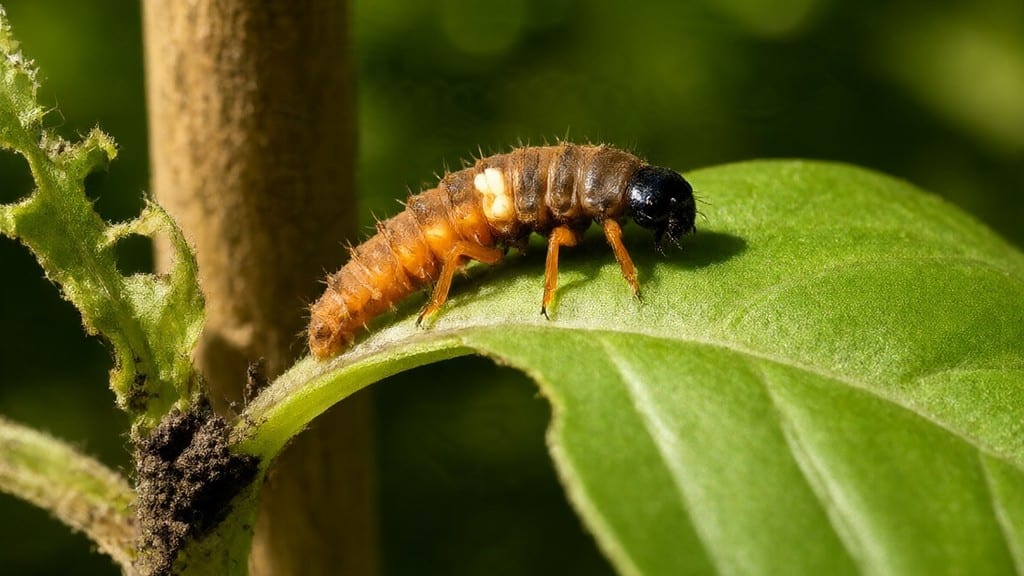
Learn how to remove ants from your vegetable garden before they steal your harvest—because those tiny marchers are far more destructive than you think. 🌱 I’ve watched them carry away seedlings, chew through young stems, and even protect worse pests like aphids in exchange for honeydew.
The key isn’t killing them but redirecting their energy away from your plants.
The real solution starts with prevention: diatomaceous earth around borders, cinnamon sprinkles on trails, and citrus peels scattered where they cross. These barriers disrupt their scent trails without harming your soil or the ladybugs that patrol your garden.
Once you’ve blocked their routes, focus on removing their food sources—overripe fruit, spilled syrup, or even pet food left nearby.
Within 24-48 hours, you’ll see fewer scouts returning to your beds. The ants will still thrive—they’re just not raiding your tomatoes anymore. Your plants grow stronger, your harvest stays intact, and you avoid the chemical traps that kill beneficial insects along with the pests.
This works in raised beds, in-ground plots, and even container gardens—no matter how stubborn the colony. The secret is consistency: check your barriers weekly and refresh them after rain. Your garden’s ecosystem stays balanced while those tiny thieves get a one-way ticket out of your rows.
The Hidden Triggers Inviting Ants
Ants may seem like tiny troublemakers, but they don’t invade your vegetable garden randomly. Their presence is usually a response to specific conditions—some you can control, others are just part of nature’s cycle.
Understanding why they show up is the first step to outsmarting them. Here’s what’s really drawing them in:
🌱 Food sources: your garden’s all-you-can-eat buffet
Ants are omnivorous scavengers, and your vegetable garden is essentially a 24/7 buffet. They’re drawn to:
- Sugary nectar: Overripe fruits (like tomatoes, berries, or melons) ooze sweet liquids that ants detect from yards away using their antennae. Even a single fallen fruit can trigger a trail of workers.
- Protein-rich prey: Aphids, mites, and other garden pests secrete honeydew (a sugary waste product), which ants farm like cattle. In exchange, they protect these pests from predators—creating a mutually beneficial nightmare for your plants.
- Decaying organic matter: Old plant debris, compost piles, or even spilled seeds release volatile compounds that ants interpret as a “dinner’s served” signal.
Pro tip: 💡 Harvest produce promptly and remove fallen fruits daily. If you spot aphids, treat them early—ants will follow the honeydew trail faster than you can say “pesticide.”
💧 Moisture: the invisible ant highway
Ants need water to survive, and your garden’s microclimate can turn it into a superhighway for them. Here’s how:
- Overwatered soil: Ants thrive in moist, well-aerated soil because it’s easier to dig tunnels. If your garden stays soggy (especially after rain), they’ll use it as a highway to access food sources above.
- Condensation on plants: Early morning dew or sprinkler systems create water droplets that ants lick up. Some species even farm fungus gardens underground, requiring precise humidity levels.
- Leaky irrigation: Drip lines or broken hoses create predictable water sources, turning your garden into an ant hotspot.
Pro tip: 🌡️ Water deeply but infrequently (early morning is best) to reduce surface moisture. Fix leaks immediately—ants will exploit even a single dripping hose.
🏡 Shelter: why your garden feels like ant central
Ants are architects, and they’ll build nests wherever conditions are ideal. In your vegetable garden, that usually means:
- Loose, fertile soil: Gardens rich in organic matter (like compost or aged manure) are perfect for digging. Ants prefer soil with 30–50% moisture and a mix of sand/silt—common in raised beds or freshly tilled areas.
- Rocks and debris: Ants use crevices under stones, mulch, or even wooden garden stakes as natural shelters. A single pile of leaves or bark can hide a queen ant’s chamber.
- Structural weaknesses: Cracks in pots, gaps in fences, or even the base of your house can become entry points. Some species (like fire ants) build mounds in sun-exposed, bare soil.
Pro tip: ✨ Reduce hiding spots by removing debris, sealing gaps, and choosing dense mulch (like straw) over loose bark. If you see mounds, avoid disturbing them—it’ll just scatter the colony.
🌍 Seasonal swarms: when nature’s calendar calls
Ants don’t just appear—they migrate based on seasons and weather. Here’s when your garden becomes ground zero:
- Spring awakening: As soil warms (above 60°F/15°C), dormant ant colonies reawaken and send out scouts. They’re looking for new territories—and your freshly planted garden is prime real estate.
- Summer droughts: Paradoxically, dry conditions can drive ants to seek moisture in your garden. Some species (like pavement ants) nest under sidewalks or driveways and raid gardens when rains come.
- Fall harvest time: Fallen fruits, seeds, and decaying plants release chemical signals that ants detect. Plus, cooler temps make them more aggressive in foraging.
Pro tip: ⏰ Monitor ant activity seasonally. In spring, prevent nests by tilling soil (but avoid harming queens). In fall, clean up thoroughly before the first frost.
Now that you know why ants crash your garden party, the next step is how to kick them out—without harming your plants or the ecosystem. Stay tuned for natural barriers and repellents that actually work!
Quick Fixes for Ant Infestations
Ants may seem like tiny troublemakers, but they can wreak havoc on your vegetable garden by disturbing soil, spreading diseases, or even protecting harmful pests like aphids. The good news? With the right strategies, you can kick them out for good—and keep them from coming back.
Below, we’ve mapped out practical, cause-specific solutions to tackle ants at their source, whether they’re drawn to food, moisture, or shelter.
🔥 Fix Ants Drawn to Food Sources
If ants are swarming your garden because they’re after fallen fruit, spilled seeds, or sweet sap, starve them out with these tricks:
🍳 Remove Food Attractants
- Harvest promptly: Pick ripe veggies (like tomatoes, peppers, or berries) as soon as they’re ready to avoid rot or spilled juice.
- Clean up debris: Rake fallen leaves, weeds, and plant scraps—ants love hiding in organic matter.
- Store compost far away: Keep compost bins at least 20 feet from your garden and cover them tightly.
👨🍳 Use Natural Repellents
- Diatomaceous earth (DE): Sprinkle food-grade DE around ant trails and plant bases. It dehydrates ants without harming plants.
- Cinnamon or cayenne pepper: Mix 1 tablespoon of ground cinnamon or cayenne with 1 cup of water, spray on ant paths, and reapply after rain.
- Vinegar spray: Mix 1 part white vinegar with 1 part water in a spray bottle and apply to ant trails (reapply after watering).
🥘 Bait Them Away
- Sugar + borax trap: Combine 1 cup sugar, 1 cup borax, and 2 cups water in a shallow dish. Place near ant trails—they’ll carry the bait back to the colony.
- Peanut butter + borax: Mix equal parts peanut butter and borax, smear on cardboard, and place in infested areas.
🌧️ Stop Ants Seeking Moisture
Damp soil or standing water? Ants will camp out in your garden like it’s a five-star hotel. Dry them out with these methods:
💡 Improve Drainage
- Raise garden beds: If your soil stays soggy, consider elevated beds with gravel or sand at the bottom.
- Add mulch strategically: Use gravel or coarse wood chips (not organic mulch) around plants to reduce moisture retention.
🔥 Dry Out Ant Trails
- Sand barriers: Sprinkle a 1-inch layer of coarse sand around the garden’s perimeter—ants avoid crossing it.
- Sunlight exposure: Trim back dense foliage to increase airflow and let the sun dry out damp spots.
🏠 Block Ants Looking for Shelter
If ants are nesting under rocks, logs, or plant debris, deny them access with physical barriers:
🔪 Create Physical Barriers
- Copper tape: Wrap copper mesh or tape around the base of plants or garden edges—ants hate the electrical charge it creates.
- Crushed eggshells or chalk: Create a 1-inch border around plants to deter ants from crawling up stems.
🌡️ Disrupt Their Nests
- Boiling water: If you spot an ant mound, pour boiling water directly into the hole (do this in the evening to avoid harming wildlife).
- Soap and water: Mix 1 tablespoon dish soap with 1 cup water, pour into the nest entrance to dissolve their trails.
✨ Long-Term Prevention Tips
Once you’ve evicted the ants, keep them from moving back in with these habits:
- 🎯 Plant ant-repelling herbs: Basil, mint, and lemongrass naturally deter ants—plant them around your garden’s edges.
- 🌿 Avoid overwatering: Water plants at the base (not overhead) to reduce moisture attractants.
- 🔍 Inspect regularly: Check for new ant trails or nests weekly, especially after rain.
- 🏡 Seal entry points: If ants are coming from your home, caulk gaps in windows, doors, and foundations.
By tackling the root cause of your ant problem—whether it’s food, water, or shelter—you’ll not only remove them fast but also prevent future invasions. Try one or two methods today and watch your vegetable garden thrive ant-free! 🌱🚫🐜
Frequently asked questions
Why do ants suddenly appear in my vegetable garden?
Ants invade gardens for three main reasons: food, moisture, or shelter. They’re drawn to overripe fruit, spilled seeds, or honeydew from pests like aphids. Moist soil or standing water creates ideal nesting conditions, while loose mulch or rocks offer perfect hiding spots. Check for fallen produce, adjust watering habits, and clear debris to disrupt their attraction.
Are natural ant repellents safe for my plants?
Most natural repellents like diatomaceous earth, cinnamon, or vinegar spray are plant-safe when used correctly. Always apply to soil or trails—not leaves—to avoid harm. Test a small area first, and avoid borax-based baits near edible crops. For extra caution, stick to physical barriers like copper tape or crushed eggshells.
How do I prevent ants from returning after treatment?
Prevention starts with cleanliness and consistency. Remove fallen fruit daily, store compost 20+ feet away, and water deeply but infrequently. Plant mint or basil around borders—their scent deters ants naturally. Inspect weekly for new trails, especially after rain, and refresh barriers like sand or chalk every few weeks.
Will killing ant nests harm my garden’s ecosystem?
Most ant species are beneficial, aerating soil and controlling pests. Only disrupt nests if they’re directly harming your plants—like fire ants. Instead of killing, focus on redirection: block trails with sand, starve them of food, or use barriers. This preserves the ecosystem while protecting your harvest.
What’s the fastest way to stop ants from raiding my tomatoes?
For an immediate fix, mix 1 tablespoon cinnamon + 1 cup water and spray trails. Add coarse sand around tomato bases to create a barrier ants avoid. Combine this with prompt fruit harvesting to cut off their food supply—you’ll see results in 24-48 hours.