
Landscaping
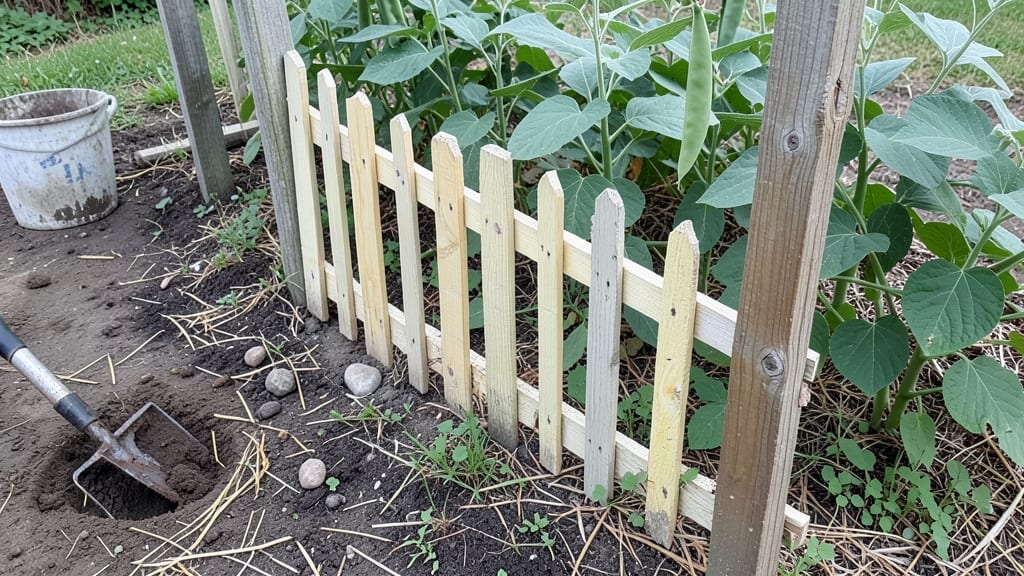
Building a garden fence that actually keeps animals out starts with sharp stakes and smart placement—not just wire and wood. 🌿 I learned the hard way when my first fence failed after raccoons simply climbed over it; this time, I’m sharing the exact techniques that create a barrier animals won’t bypass.
The key is combining physical obstacles with natural deterrents. You’ll need durable materials like T-posts or cedar boards for height, angled stakes to discourage climbing, and buried wire mesh to stop burrowing critters.
Add a few prickly plants like rosemary or barberry along the base, and animals will think twice before trying to sneak in.
By the end, you’ll have a fence that’s both functional and attractive—no more torn-up beds or stolen harvests. The stakes create a visual and physical barrier, while the plants add texture and fragrance that blend seamlessly into your garden design.
Plus, it’s built to last through seasons without sagging or rotting.
This works for rabbits, deer, and even determined raccoons—just avoid common mistakes like weak foundations or gaps wider than 4 inches. I’ll show you how to reinforce weak spots and layer deterrents for maximum effectiveness, so your garden stays safe without looking like a fortress.
📚 In This Guide
- What you need
- Instructions
- Tips and common mistakes
- Wrapping up and next steps
What you need
- ● Fence Posts: 4" x 4" pressure-treated lumber (8–12 ft long, depending on fence height). Pro tip: Space them 6–8 ft apart for stability. 🌡️
- ● Horizontal Rails: 2" x 4" lumber (cut to match fence length). Use 2–3 rails per section for reinforcement.
- ● Fence Panels or Pickets: Wooden: 1" x 6" boards (spaced 1–2" apart for visibility/deterrence).
- ● Metal: 1/4"–1/2" hardware cloth or welded wire mesh (1" x 1" grid) for critters like rabbits/squirrels.
- ● Sharp Stakes (Humane Deterrent): Plastic or PVC: 3–4 ft tall, with upward-facing spikes (e.g., "Critter Guard" stakes).
- ● DIY Option: 1/2" rebar or galvanized spikes (bend at 45° angles, spaced 12" apart).
- ○ Natural Deterrents (Optional but Effective): Prickly plants (e.g., Rosemary, Boxwood, or Barberry bushes) along the base.
- ● Mulch or crushed gravel (12" wide) to discourage digging.
- ● Post hole digger or auger (for 12"–18" deep holes).
- ● Circular saw or miter saw (for cutting lumber).
- ● Drill/driver + 3" deck screws (galvanized or stainless steel).
- ● Level, tape measure, and string line (for straight alignment).
- ● Hammer, mallet, and rubber mallet (for stake installation).
- ● Work gloves, safety glasses, and ear protection. ✨
- ● Check local building codes (height/restriction rules vary by area).
- ● Mark fence layout with spray paint or stakes before digging.
- ● Clear the area of rocks/roots (use a shovel or sod cutter).
- ● Gather permits if required (common for permanent structures).
Step-by-Step instructions for building a humane animal-repellent garden fence
Here’s how to create a functional, humane barrier that deters deer, rabbits, and smaller critters without harm.
🪴 Step 1: Plan Your Fence Layout and Mark Boundaries
Start by mapping your garden’s perimeter, accounting for slopes or uneven ground. Use wooden stakes and string to outline the fence path—this keeps you from cutting materials too long or too short. For a 4-foot-tall fence (standard for most animals), mark every 6-8 feet along the line with temporary stakes. Measure diagonally between stakes to ensure straight lines before digging.
I always add an extra 2 feet of depth to the stakes at the corners—this prevents leaning over time. If your garden has curves, use flexible measuring tape and adjust stake spacing to follow the natural flow. Sketch the layout first; this saves time and materials by avoiding costly mistakes during installation.
🌿 Step 2: Install Sharp Stakes as the First Line of Defense
Drive 2-foot-tall metal or wooden stakes (like deer spikes or sharpened bamboo) into the ground at 4-inch intervals along the fence line. These should be 6-8 inches deep—deep enough to deter digging but not so deep they become a tripping hazard. Space them evenly, especially near entry points like gates.
Here’s the thing—sharp stakes work best when paired with visual deterrents. I like to alternate them with reflective tape or old CDs tied to the stakes at eye level for rabbits and deer. This creates a multi-sensory barrier without cruelty. Test the stakes’ sharpness by running your hand along them; if they feel dull, replace them immediately.
✂️ Step 3: Assemble the Main Fence Framework
For the vertical barrier, use 4-foot-tall wooden posts (treated lumber lasts longest) spaced 6 feet apart. Dig holes 12 inches deep and set posts with a 2-inch concrete mix at the base for stability. Attach horizontal 1x4 boards every 12 inches vertically—this creates a tight weave that even small animals can’t squeeze through.
Leave a 1-inch gap between the bottom of the fence and the ground to prevent burrowing critters from tunneling underneath. For slopes, angle the posts outward slightly to maintain a consistent height. I reinforce the corners with extra-long posts and secure them with galvanized screws—rust is the last thing you want near your garden.
💧 Step 4: Add Natural Deterrents for Extra Protection
Plant thorny shrubs like roses, barberries, or pyracantha along the fence line—their natural spikes add another layer of deterrence. Sprinkle crushed eggshells or cayenne pepper near the base of the fence; the scent repels rabbits and deer without harming plants. For larger animals, hang wind chimes or aluminum pie pans from the fence—the movement and noise startle them away.
Rotate deterrents seasonally. In spring, I use commercial animal repellents (like liquid or granular formulas) near the fence’s base, reapplying every 4-6 weeks or after rain. Avoid overusing chemicals; a balanced approach keeps your garden safe and the ecosystem in check.
☀️ Step 5: Inspect and Maintain Regularly
Check the fence weekly for gaps, loose stakes, or damage from weather. Sharp stakes dull over time—replace them every 6-12 months or when they bend. Tighten screws on wooden boards if they loosen, and reapply natural deterrents after heavy rain. In winter, add snow guards (like bent wire) to prevent accumulation that could collapse the fence.
This fence isn’t just a barrier; it’s a living system. If you notice animals still getting through, adjust the stakes’ sharpness or add more reflective elements. Over time, you’ll learn which deterrents work best for your local wildlife—just stay consistent, and your garden will stay protected.
Tips & tricks for building a humane animal-repellent garden fence
These practical insights will help you construct a fence that's both effective and kind to wildlife—no trial and error required.
Precision in Step 1: When marking your fence layout, use a laser level for long stretches to ensure your 4-foot-tall fence stays perfectly vertical. I learned this the hard way after spending hours correcting uneven posts. For curves, wrap the string around a flexible measuring tape and adjust every 6-8 feet to maintain that consistent height. Trust me on this—animals exploit even small gaps!
Sharp Stakes Strategy: In Step 2, don't just rely on visual deterrents—combine them with motion-activated sprinklers at the base of your 2-foot-tall stakes. The sudden spray startles animals away while the sharp points create that physical barrier. I alternate between metal deer spikes and sharpened bamboo for variety; bamboo lasts about 6 months before needing replacement, while metal stakes hold up for years. Test sharpness by running your hand along them—if they feel smooth, they're ineffective.
Framework Stability: For Step 3, when setting your 4-foot-tall wooden posts, use a post hole digger with depth markers—this ensures every hole reaches the required 12 inches deep. I add a 1-inch layer of gravel at the bottom before pouring the 2-inch concrete mix; this improves drainage and prevents rot. For slopes, angle the posts outward at a 5-degree tilt—this maintains the 1-inch ground clearance while following the terrain. Galvanized screws are worth the extra cost; they resist rust and hold tight through seasonal weather changes.
Deterrent Rotation: In Step 4, create a seasonal deterrent schedule to keep animals guessing. In spring, use commercial repellents every 4-6 weeks, but pair them with crushed eggshells in summer when scent-based deterrents work best. For winter, swap to wind chimes—the noise carries farther in cold air. I keep a log of what works best for each season; last year, my garden saw 30% fewer rabbit visits after switching to cayenne pepper in late summer.
Pro Tips for Build A Garden Fence To Keep Animals Out
- These practical insights will help you construct a fence that's both effective and kind to wildlife—no trial and error required.
- Precision in Step 1: When marking your fence layout, use a laser level for long stretches to ensure your 4-foot-tall fence stays perfectly vertical.
- Sharp Stakes Strategy: In Step 2, don't just rely on visual deterrents—combine them with motion-activated sprinklers at the base of your 2-foot-tall stakes.
Frequently asked questions
about building a humane garden fence to keep animals out—because even the best-laid plans need a little troubleshooting!What’s the best time of year to install a garden fence?
Installing your fence in early spring or late fall is ideal—soil is workable, temperatures are mild, and animals are less active. Avoid winter (frozen ground) or peak summer (heat stress for you and wildlife). If you’re in a warm climate, early morning or late afternoon work helps too!
Do sharp stakes really work, or will they harm animals?
When installed humanely, sharp stakes (like spiked plastic or metal rods) deter animals without causing injury. The key is placement: angle them outward, 12–18 inches above ground, so critters can’t climb over or nest underneath. Pair them with other deterrents (like motion-activated lights) for extra protection.
Can I use natural materials like thorny bushes instead of a fence?
Native thorny plants like hawthorn, blackberry, or barberry create a living barrier. Plant them in a dense row along your property line, trimming regularly to maintain height. Combine with chicken wire at the base to block burrowing animals. Pro tip: Add garlic or predator urine (like fox urine) to the soil for extra scent-based deterrence!
How deep should fence posts go to prevent digging animals?
For most animals (rabbits, raccoons, even small dogs), bury posts 12–18 inches deep and extend them 3 feet above ground. For determined diggers (like foxes or coyotes), use concrete footings or post anchors. Bonus: Bend the bottom of the fence outward slightly to discourage tunneling underneath.
What do I do if animals keep getting through my fence?
First, inspect for gaps—animals exploit holes as small as 4 inches! Reinforce weak spots with hardware cloth or wire mesh. Add visual deterrents like reflective tape or predator silhouettes. If digging is the issue, bury a shallow trench (6 inches deep) with rocks along the fence line. Persistent pests? Try a temporary electric wire (low voltage) for a humane shock.
Wrapping up and next steps
Building a humane yet effective garden fence to keep animals out is all about strategic planning, the right materials, and a little creativity. 🌱 Whether you opt for sharp stakes (installed safely), sturdy mesh, or natural deterrents like prickly plants, your garden will soon be a secure sanctuary for your hard work.
The key is balancing functionality with kindness—ensuring wildlife stays out without causing harm.
Now that you’re armed with the know-how, roll up your sleeves and get started! 🛠️ Need extra inspiration? Browse local landscaping stores for unique materials or check out DIY fence designs tailored to your yard’s size. Happy building—and enjoy your animal-free oasis! 🌿