
Pests
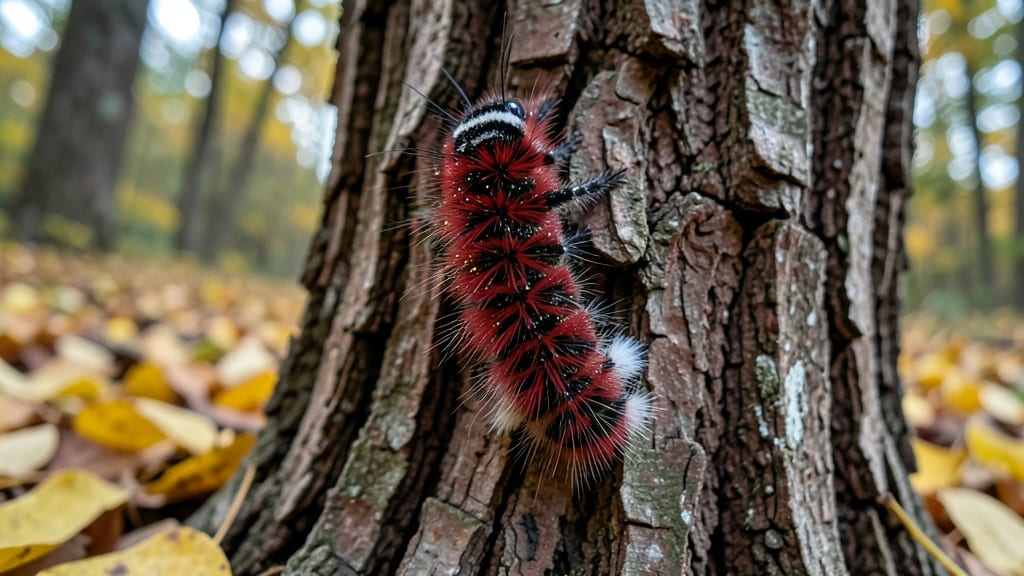
Caterpillars can turn your thriving garden into a skeleton in days. Learning to identify them early lets you act before they devour your plants—here are 10 key visual markers to spot the most destructive species before damage begins.
Tomato Hornworm with Distinctive White Diagonal Stripes
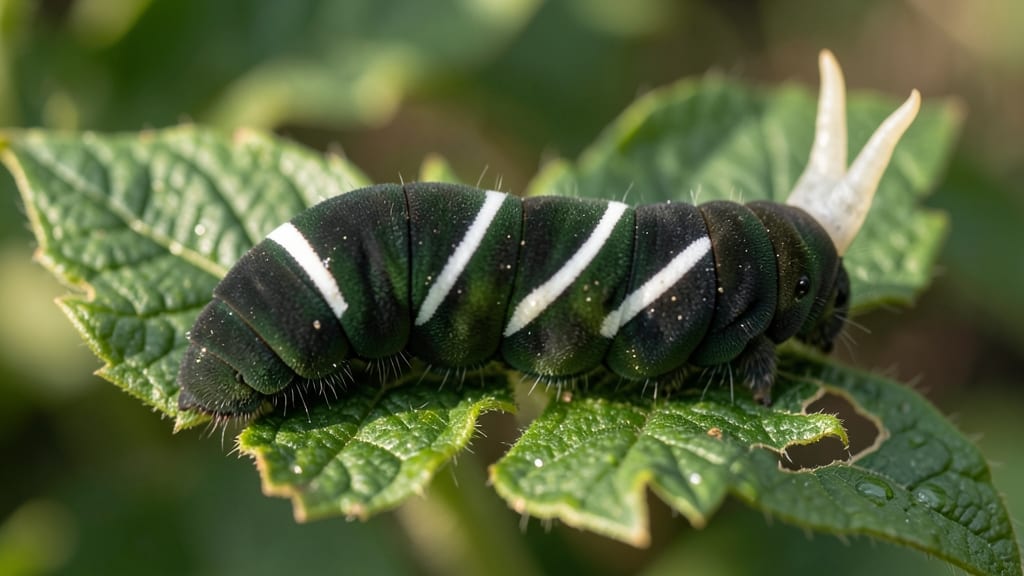
If your tomatoes or peppers are disappearing overnight, the culprit might be the tomato hornworm—a caterpillar with a striking appearance that matches its destructive habits. This inch-long menace sports bold white diagonal stripes and a horn-like tail, making it one of the easiest pests to spot (and one of the hardest to ignore).
Look for these caterpillars on the undersides of leaves, where they’ll strip plants bare in just a few days. Their voracious appetite targets nightshade plants, including tomatoes, peppers, and eggplants, so early action is key. Handpick them (drop them in soapy water) or encourage parasitic wasps—their natural predators—to keep populations in check.
Gardeners growing tomatoes or peppers should monitor plants weekly, especially during peak growing season (June–August). This pest’s bold markings make it nearly impossible to miss—so act fast to save your harvest! 🌱
Gypsy Moth Caterpillar with Dense Hairy Bristles
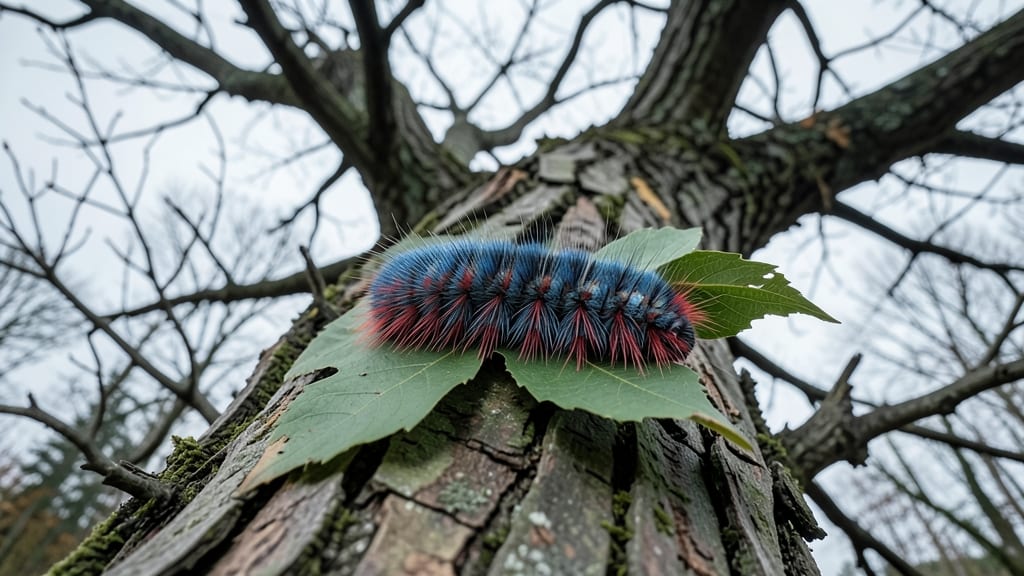
If your hardwood trees or ornamental shrubs suddenly look stripped bare, the gypsy moth caterpillar might be the culprit. This invasive pest sports a distinctive blue and red bristled body that makes it stand out against foliage—though its presence is often revealed too late by the damage it leaves behind.
Look for clusters of these fuzzy caterpillars with five pairs of blue and six pairs of red spots along their sides. They thrive in hardwood forests but will also target fruit trees, roses, and even landscape plants. Unlike the tomato hornworm, gypsy moth caterpillars are less solitary—they often appear in large groups, stripping branches clean in a matter of days. Early detection is key, as their hairy bodies can also cause skin irritation.
Gardeners in northern and eastern U.S. regions should monitor for outbreaks in spring, when caterpillars emerge after hatching. If you spot them, act quickly—manual removal or Bt (Bacillus thuringiensis) sprays can help before they spin cocoons and return next year. 🌿
Cabbage Looper with Inchworm-Like Movement Pattern
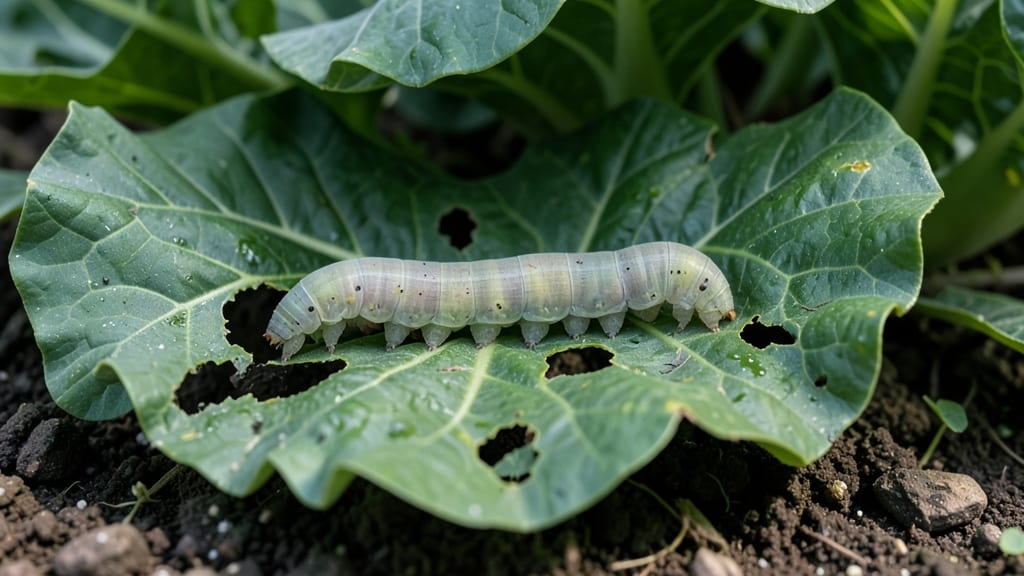
If your broccoli, kale, or cabbage leaves are developing irregular holes but you can’t find the culprit, the culprit might be hiding in plain sight—the cabbage looper. Unlike other caterpillars, this one doesn’t just chew leaves; it loops and arches its body like an inchworm, making it blend seamlessly into foliage.
Its green body with faint white stripes mimics healthy plant tissue, while its unique movement—moving forward, then looping backward—creates a trail of tiny holes that can skeletonize brassicas in days. Look closely at the undersides of leaves where they often hide during daylight hours.
For organic gardeners, early detection is key. Handpick them (drop in soapy water) or introduce parasitic wasps like Trichogramma, which naturally target these pests. Their camouflage makes them tricky, but knowing their behavior gives you the upper hand. 🌿
Tobacco Budworm with Yellow and Black Stripes
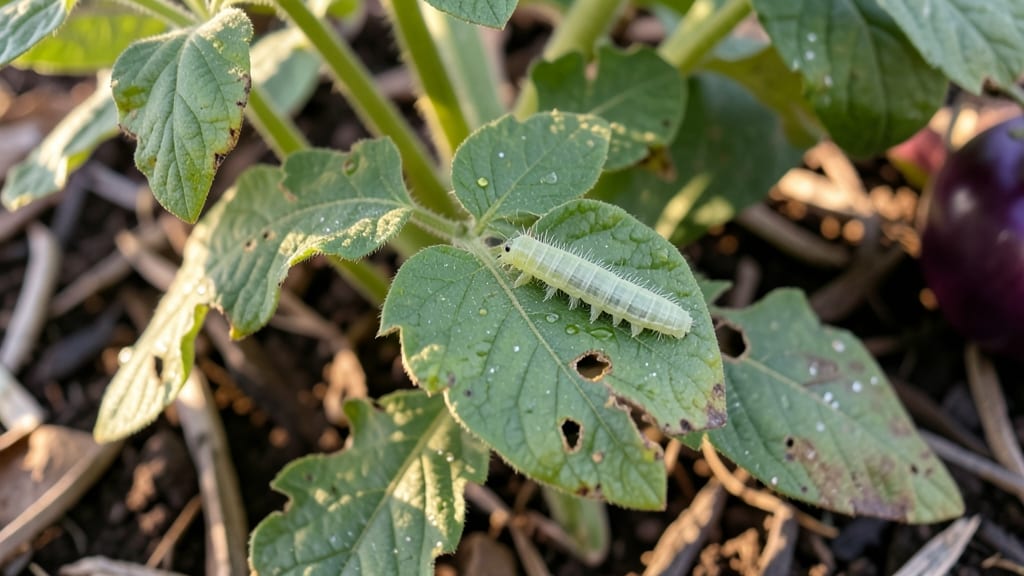
If your tomatoes, peppers, or tobacco plants are mysteriously wilting or showing tiny holes in leaves, the culprit might be the tobacco budworm—but you’ll only spot its signature yellow and black stripes in its later stages.
This caterpillar starts out pale green and nearly invisible, blending into foliage, but as it matures, its bold yellow body with black stripes becomes unmistakable. Check the undersides of leaves in mixed vegetable plots—it’s especially fond of nightshade crops like peppers and tomatoes. Early detection is key since these caterpillars can strip plants bare in days.
Gardeners with small-space or container gardens should monitor these plants closely, as tobacco budworms thrive in warm, dense foliage. A quick handpick or neem oil spray can prevent major damage before the stripes appear. 🌻
Variegated Cutworm with White Spots and Brown Body

If you wake up to find young plants mysteriously severed at the soil line, the culprit might be the variegated cutworm—a sneaky nocturnal pest that hides until nightfall. Unlike other caterpillars, this one doesn’t leave obvious trails or webs; it simply chews stems clean, leaving you with stumps and no clues about what happened.
This brown-bodied caterpillar with white spots thrives in the soil, emerging only after dark to feed. Look for its telltale ragged stem cuts near the base of seedlings or young plants—especially in beans, tomatoes, and corn. The key to spotting it is checking plants at dusk or dawn, when it’s most active, or using a flashlight to inspect soil surfaces at night.
Gardeners with young seedlings or container plants should be extra vigilant, as cutworms target tender stems. Collars made from cardboard or aluminum foil around stems can deter them, and removing eggs (tiny white clusters on soil) in spring prevents infestations. 🌻
Eastern Tent Caterpillar with Dense Silken Nests
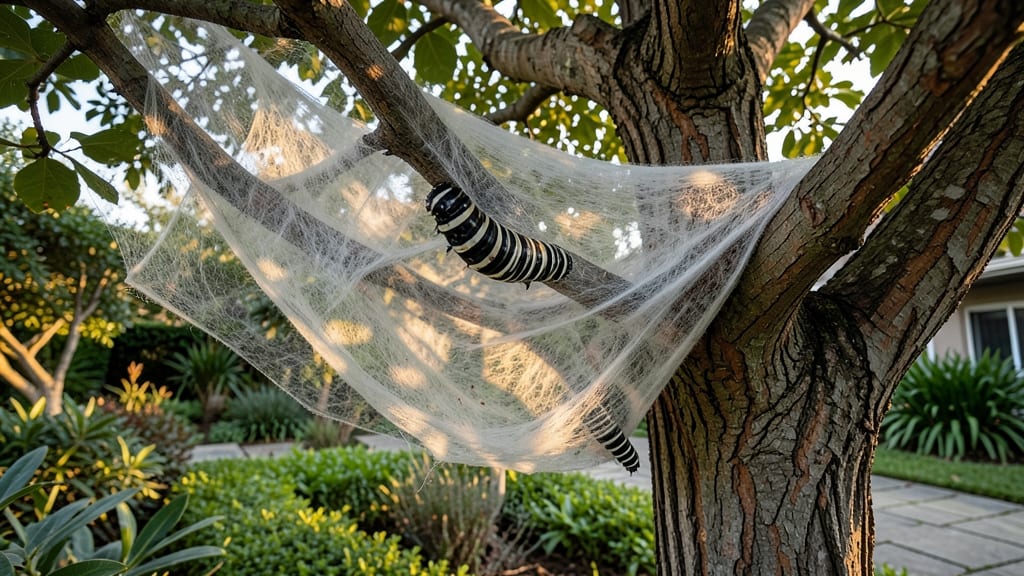
If you’ve ever spotted a large, silken tent draped across a fruit tree branch, you’re likely looking at the work of the eastern tent caterpillar—and its striking black-and-white banded body makes it impossible to miss.
These caterpillars build grayish-white nests that can grow up to 2 feet long, providing shelter for hundreds of larvae. They target cherry, apple, and peach trees, stripping foliage quickly once they emerge in spring. Look for the tents in late winter or early spring—removing them early can prevent severe defoliation.
Gardeners with fruit trees or shade trees should monitor for these nests, as they’re often the first sign of an infestation. Acting fast means saving your tree’s canopy before the caterpillars hatch en masse. 🌟
Saddleback Caterpillar with Red and Black Markings
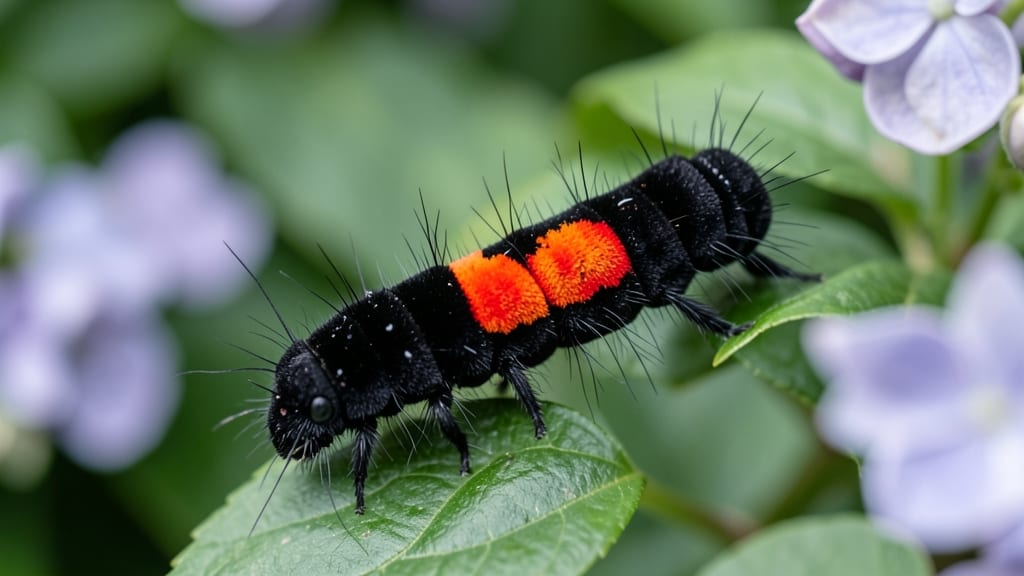
If you’ve ever spotted a caterpillar with a bold red saddle marking on its black body while inspecting your lilacs or roses, you’ve likely encountered the saddleback caterpillar—and you should handle it with care. This striking insect isn’t just visually distinctive; it’s also highly toxic to touch, earning it the nickname "stinging caterpillar."
The red "saddle" along its back and black body serve as warning colors to predators, but for gardeners, these markings are a red flag. Look for them on leaves of lilacs, roses, and viburnums between late spring and early summer. Unlike many caterpillars, this one won’t hide—its bright colors make it easy to spot before it causes significant damage.
Ornamental gardeners, especially those with prized roses or lilacs, should keep an eye out for this caterpillar to protect their blooms. Simply removing it (with gloves!) prevents painful stings and preserves your plants. 🌻
Black Swallowtail with Yellow Spots and Orange Horn
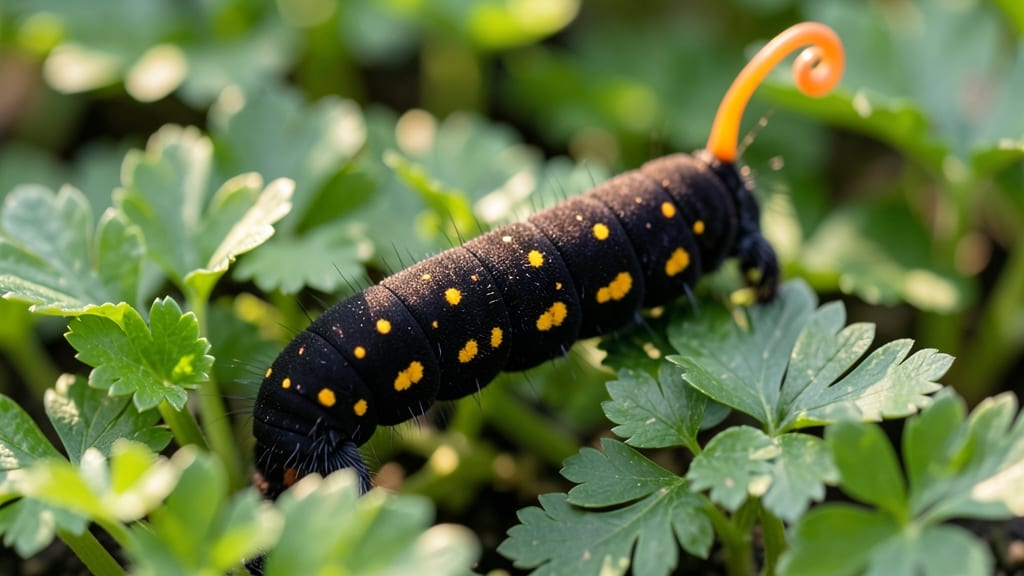
This caterpillar might look like a pest, but the black swallowtail with its yellow spots and orange horn is actually a garden ally—when you know how to balance its presence. Unlike the destructive caterpillars you’ve already learned about, this one plays a dual role: it’s a pollinator magnet and a threat to carrots and parsley if left unchecked.
Look for its distinctive yellow spots along the sides and the orange "horn" at the rear—these features set it apart from true pests. While its larvae munch on carrot tops and parsley, the adult butterfly pollinates flowers like milkweed and dill, making it a valuable player in companion planting schemes. If you’re growing carrots or parsley, handpick larvae early to protect your crops without harming the ecosystem.
Gardeners practicing pollinator-friendly planting will love this caterpillar’s dual role, while vegetable growers should monitor its populations near umbelliferous plants. A true garden paradox! 🌻
Fall Webworm with White Silken Webs and Green Body
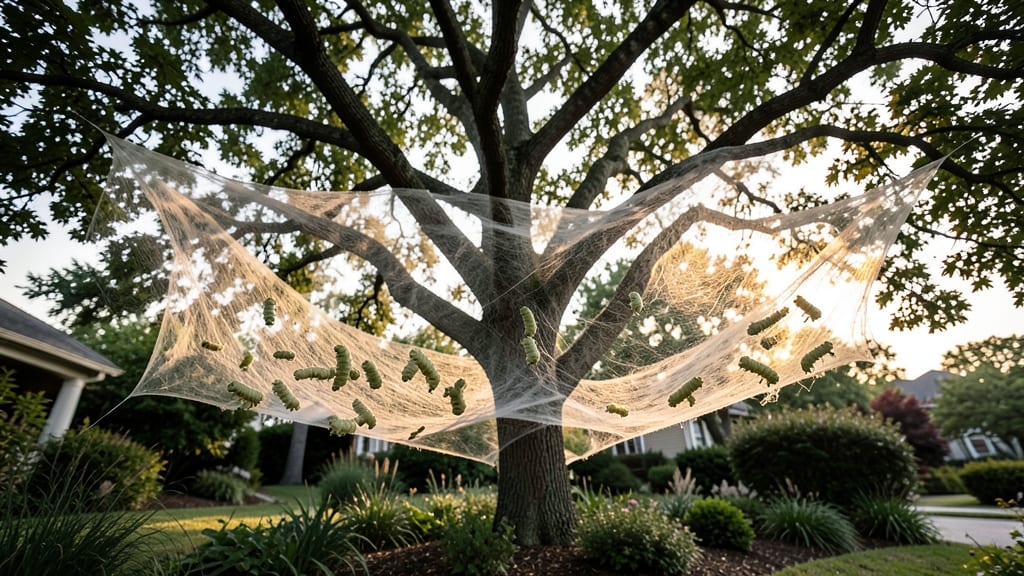
If you’ve ever spotted a large white web draped across your shade trees in late summer, you’re likely dealing with the fall webworm—a caterpillar that hides its presence behind silken nests rather than bold markings. Unlike other caterpillars, its green body mimics leaves, but the webs give it away before it strips branches bare.
The webs start small but can grow to football-sized by late summer, sheltering clusters of caterpillars that feed on leaves from inside. Look for white, irregular webs on oak, birch, or walnut trees—common hosts—before the caterpillars emerge to defoliate. Prune and destroy infested branches in early fall to prevent next year’s outbreaks.
This pest thrives in shade trees, making it a nuisance for urban gardeners with mature landscapes. Early removal saves trees from unsightly damage and keeps foliage intact for seasons to come. 🌿
Hickory Tussock Moth with Red and Black Bristles

If you spot a fuzzy caterpillar with bright red and black bristles and white tufts near your hickory or walnut trees, you’ve found the hickory tussock moth—and it’s best to admire it from afar. This striking caterpillar isn’t just visually distinct; it’s also highly venomous, with bristles that can cause painful skin irritation if touched.
The caterpillar’s warning colors—red, black, and white—serve as a natural deterrent, making it one of the easiest to identify and avoid. Look for them feeding on leaves in late spring or early summer, where their spiky appearance stands out against the smooth foliage. Unlike other caterpillars, this one doesn’t hide; its bold markings scream "stay back!"
Gardeners near hickory or walnut trees should keep an eye out for these caterpillars, as they can defoliate branches if populations grow large. A simple spray of water or manual removal (with gloves!) can keep them in check before they become a nuisance. 🌟