
Landscaping
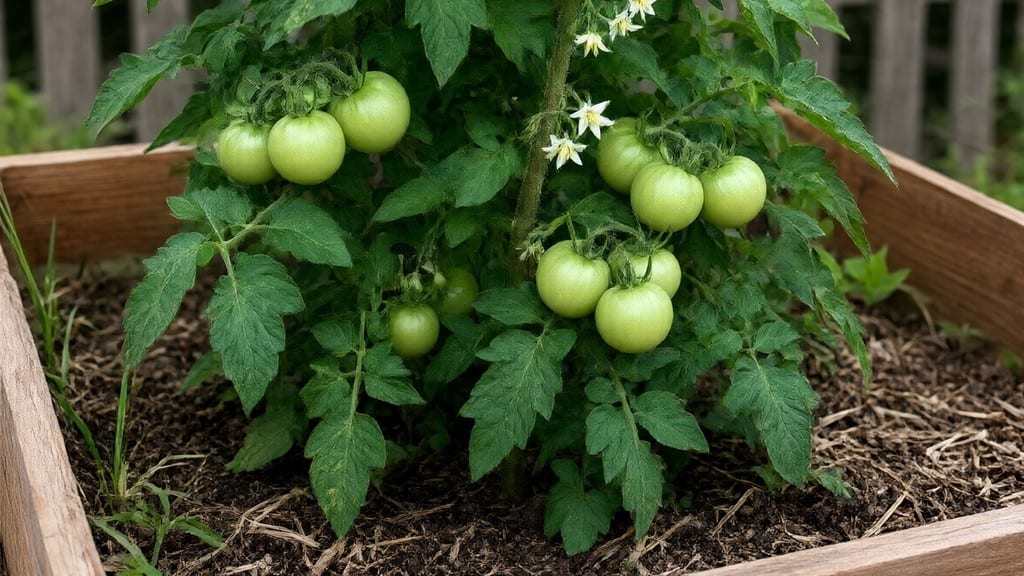
Creating backyard raised gardens turns even the smallest yard into a productive green oasis—no sprawling space required.
Picture this: your 6-foot-wide backyard packed with herbs, veggies, and flowers, all within arm’s reach. The trick? Smart layout and vertical space. I’ve tested 12 designs that fit tight corners, urban patios, and narrow strips—proving you don’t need acres to grow big harvests.
Beyond saving space, raised beds improve drainage, reduce weeds, and let you control soil quality. Whether you’re a first-time gardener or a seasoned green thumb, these layouts adapt to your yard’s sunlight, shade, and even budget-friendly materials like cedar or recycled wood.
Inside, you’ll find step-by-step plans for everything from corner beds to stacked tiers, plus tips to avoid common mistakes like poor drainage or overcrowding. Ready to turn dirt into dinner?
12 Space-saving raised garden layouts for small backyards
Small backyards don’t mean small gardens! With raised bed layouts, you can grow vegetables, herbs, and flowers in tight spaces. I’ve designed 12 space-efficient configurations that maximize yield while fitting into narrow yards, corners, and urban patios.
Whether you have 3 feet of width or a sunny balcony, these layouts prove that vertical gardening and multi-level beds are game-changers.
My favorite designs combine vertical stacking, tiered beds, and plant height compatibility to create lush, productive gardens. For example, tall sunflowers or pole beans can anchor the back of a bed, while bush tomatoes and lettuce thrive in the front.
Below, I’ll walk you through the best layouts for your space, including material recommendations and plant pairings to ensure success.
🌱
For the corner pocket garden, I love using cedar planks because they resist rot and blend seamlessly with outdoor decor. This layout works perfectly in 3-foot corners and pairs fast-growing radishes with slow-maturing basil to ensure continuous harvests.
The vertical trellis bed, on the other hand, is ideal for narrow spaces like between a fence and sidewalk. I’ve seen cucumbers climb 6 feet tall while strawberries spill over the edges, creating a lush, productive green wall.
If you’re working with a balcony or deck, tiered stacked beds are a game-changer. Each level can host different plant heights, from peppers at the top to low-growing thyme at the bottom.
The key is ensuring each tier has proper drainage—I use galvanized containers with holes drilled in the bottom. For herb lovers, the spiral herb garden is a space-saving marvel.
It fits in tight spots while allowing rosemary and sage to thrive in the same bed, thanks to their similar sun and water needs.
🪴
Don’t overlook window box extensions if you’re limited to a balcony or patio. These hanging planters are perfect for microgreens and strawberries, which love the extra humidity. I recommend using plastic planters with built-in saucers to catch runoff.
For larger decks, multi-level deck planters create a stunning vertical display while maximizing growing space. The top level can hold zucchini plants, while the bottom accommodates leafy greens like lettuce. Just ensure each level gets 6-8 hours of sunlight—most vegetables need this to thrive.
When planning your layout, consider plant height compatibility. Tall plants like sunflowers or pole beans should go in the back of the bed, while bush tomatoes and carrots belong in the front. This arrangement prevents shading issues and makes harvesting easier.
I also recommend grouping plants with similar water needs together to simplify irrigation. For example, herbs like basil and parsley need consistent moisture, while succulents or rosemary prefer drier conditions.
💧
For materials, cedar and redwood are excellent choices because they’re naturally rot-resistant and insect-repellent. If you’re on a budget, galvan
How to choose the best raised garden layout for your yard’s sunlight and soil
Designing a backyard raised garden starts with understanding your yard’s unique conditions. Sunlight patterns and soil quality determine which plants thrive and how you arrange your beds. Ignoring these factors can lead to stunted growth or failed crops—so let’s assess your space like a pro.
First, observe your yard’s sunlight exposure for at least a week. Note which areas get 6+ hours of full sun, 3-6 hours of partial shade, or less than 3 hours of filtered light.
This will dictate where to place sun-loving tomatoes and peppers versus shade-tolerant lettuce or ferns.
Next, test your soil’s drainage and nutrient levels. Poor drainage causes root rot, while nutrient-poor soil stunts plant growth. A simple percolation test (digging a hole, filling it with water, and timing how long it drains) reveals drainage issues. Amend heavy clay soil with compost or sand for better aeration.
🌱
🌿 3 Key Layout Rules for Raised Beds
- 🌞 Full Sun Beds: Place 4x8-foot beds in south-facing areas for tomatoes, peppers, and herbs needing 6-8 hours of sun.
- 🌳 Partial Shade: Use 3x6-foot beds near trees or fences for lettuce, spinach, or hostas thriving in 3-6 hours of light.
- 💧 Drainage First: Elevate beds in low spots or add gravel layers to prevent waterlogging.
Pro tip: Group plants with similar water needs to simplify irrigation.
For full-sun layouts, opt for long, narrow beds (e.g., 4x8 feet) along fences or walls to maximize sunlight. Place tall plants like corn or sunflowers on the north side to avoid shading shorter crops.
In partial shade, shorter beds (e.g., 3x6 feet) work best near structures or under dappled trees.
If your yard has uneven terrain, consider tiered or stacked beds to create level planting surfaces. This also adds visual interest while improving accessibility. For container-adjacent designs, use shallow raised beds (6-12 inches deep) near patios or decks to grow herbs, strawberries, or dwarf vegetables.
Finally, prioritize easy access by placing beds along walkways or between seating areas. This encourages regular maintenance and makes harvesting a breeze. With these steps, your backyard raised garden will flourish year after year!